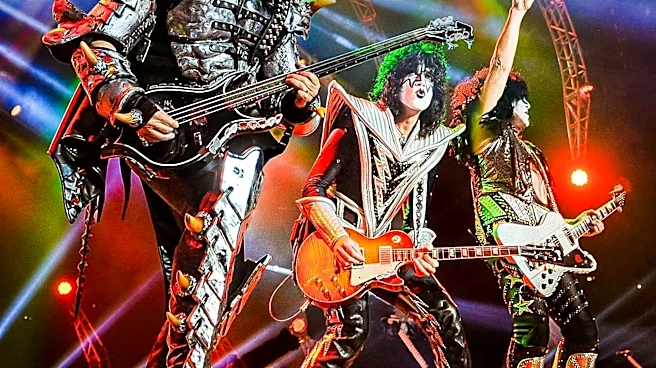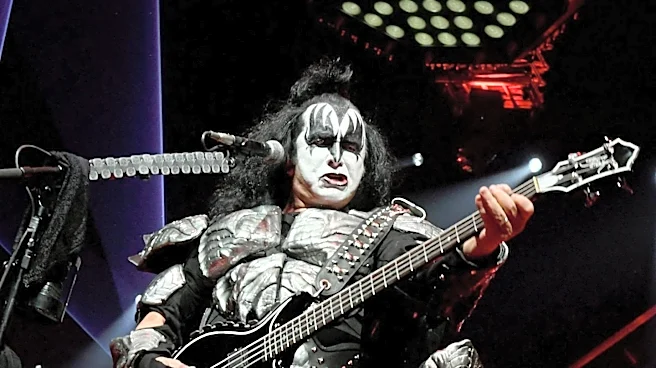








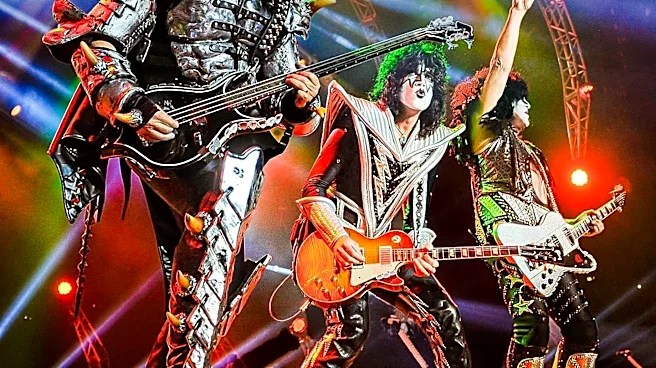

In 1978, at the peak of their commercial success, the rock band Kiss embarked on an ambitious venture into filmmaking with *Kiss Meets the Phantom of the Park*. This television film, produced by Hanna-Barbera Productions, was designed to further cement the band's larger-than-life superhero image, a concept first explored in their 1977 comic book. The movie cast Gene Simmons, Paul Stanley, Ace Frehley, and Peter Criss as themselves, imbued with extraordinary
powers, tasked with saving a California amusement park from a disgruntled inventor. While the film's reception was mixed, and the band members themselves later expressed dissatisfaction, it represents a significant, albeit controversial, attempt by Kiss to expand their brand beyond music and into the realm of cinematic storytelling.
The Genesis of a Superhero Narrative
The idea for *Kiss Meets the Phantom of the Park* originated from creative director Bill Aucoin's belief that Kiss had reached the limits of their success through traditional album and tour cycles. He envisioned transforming the band into superheroes, a concept that began with a comic book release in 1977. The band embraced this vision, leading to the development of the film. To reinforce their superhero personas, each member was assigned specific powers that aligned with their stage characters. Gene Simmons, as The Demon, could breathe fire and possessed super strength. Paul Stanley, The Starchild, could project beams from his eyes that controlled minds and allowed him to hear thoughts. Ace Frehley, The Space Ace, had the ability to teleport and fire laser beams from his eyes. Peter Criss, The Catman, was exceptionally agile, capable of impressive leaps and stunts. These powers were said to be derived from four talismans, each shaped like a member's mask.
The Plot: Rock Stars Versus a Mad Inventor
The narrative of *Kiss Meets the Phantom of the Park* unfolds at the Six Flags Magic Mountain amusement park. Abner Devereaux, the park's engineer and creator of animatronic attractions, is resentful that his work is overshadowed by an upcoming Kiss concert. Calvin Richards, the park owner, explains that the concert is crucial for generating revenue to offset quality control issues plaguing Devereaux's creations. The plot thickens when Melissa, a park guest, becomes concerned about the disappearance of her boyfriend, Sam Farrell, a park employee. Meanwhile, three punks sabotage a ride, and Devereaux is blamed. Melissa visits Devereaux's lab, the last place Sam was seen, but Devereaux dismisses her. He later reveals Sam is under his mind control via an electronic device. The three punks also fall into Devereaux's traps in the Chamber of Thrills. Richards fires Devereaux for his erratic behavior and disregard for guest safety, prompting Devereaux to vow revenge against Richards, the park, and Kiss.
Escalating Conflict and a Climactic Showdown
Following Kiss's first concert at the park, Devereaux attempts to discredit them by unleashing a robotic replica of Gene Simmons to cause chaos. The band is questioned but no action is taken. Melissa seeks the band's help to find Sam, unaware that a security pass she received from Devereaux is a tracking device. Devereaux sends Sam to steal the musicians' power-granting talismans, but the plan fails due to the talismans' force field. The members of Kiss infiltrate the park to confront Devereaux but lose their powers and are imprisoned after Sam successfully steals the talismans, which Devereaux neutralizes with a ray gun. Devereaux then dispatches robotic Kiss copies to ruin their concert and incite riots. However, the real Kiss manage to regain their powers, escape, defeat their imposters, and save the concert. After the show, Kiss, Melissa, and Richards confront Devereaux, only to find him frozen in a catatonic state. Paul Stanley removes Sam's mind-control device, restoring him to normal. Richards laments Devereaux's fate, stating, "He created Kiss to destroy Kiss... and lost."
The Film's Place in Kiss Lore
Despite its narrative ambition, *Kiss Meets the Phantom of the Park* faced significant challenges during production, including a rushed schedule, script rewrites, and the band members' lack of acting experience. These issues contributed to the film's initial poor reception. However, the film's unique premise and its place in Kiss's history have allowed it to endure. It remains a fascinating artifact of a band at the height of its fame attempting to push the boundaries of rock stardom into new media, creating a memorable, if flawed, piece of cult cinema.