


Apollo 15 marked NASA's fourth manned Moon landing mission, showcasing significant advancements in lunar exploration. Launched on July 26, 1971, this mission was notable for its extended stay on the Moon and the introduction of the Lunar Roving Vehicle. The mission's timeline, from launch to splashdown, highlights the meticulous planning and execution that characterized this pivotal moment in space exploration.
Launch and Trans-Lunar Injection
Apollo 15 lifted off from Kennedy Space
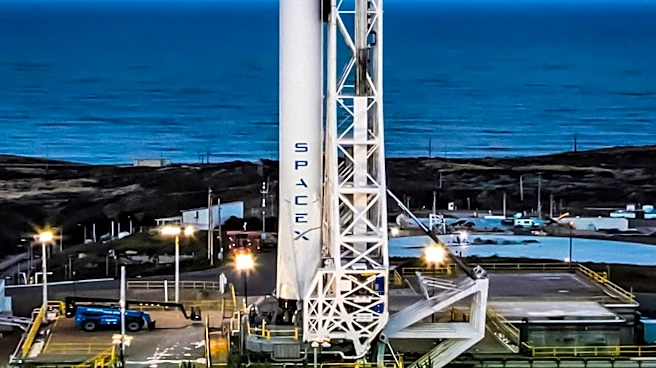
Center on July 26, 1971, at 9:34 am EST. The crew, consisting of Commander David Scott, Command Module Pilot Alfred Worden, and Lunar Module Pilot James Irwin, embarked on their journey aboard the Saturn V rocket. After reaching Earth orbit, the S-IVB third stage was reignited to propel the spacecraft towards the Moon. This phase of the mission was not without its challenges, as a short circuit in a switch controlling the service propulsion system was discovered. However, the crew and mission control quickly adapted, developing new procedures to ensure the mission's success.
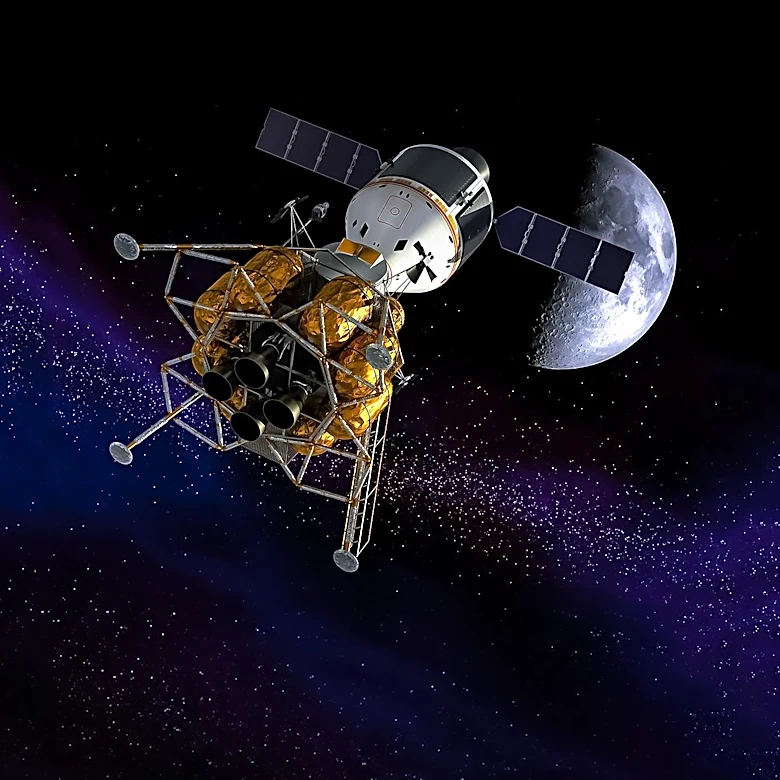
The transposition, docking, and extraction of the Lunar Module, Falcon, were completed smoothly, setting the stage for the journey to the Moon. The S-IVB stage was then directed to impact the lunar surface, providing valuable data for seismic experiments.
Lunar Orbit and Surface Exploration
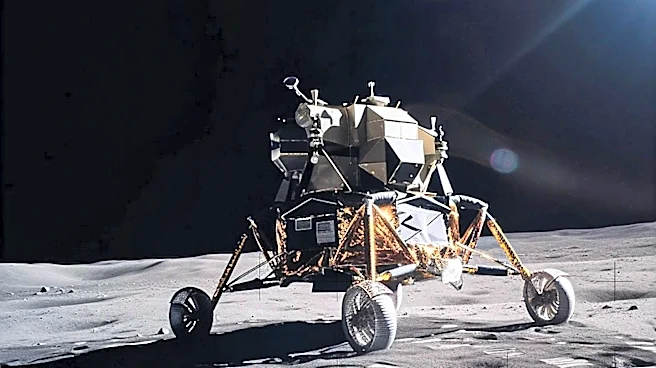
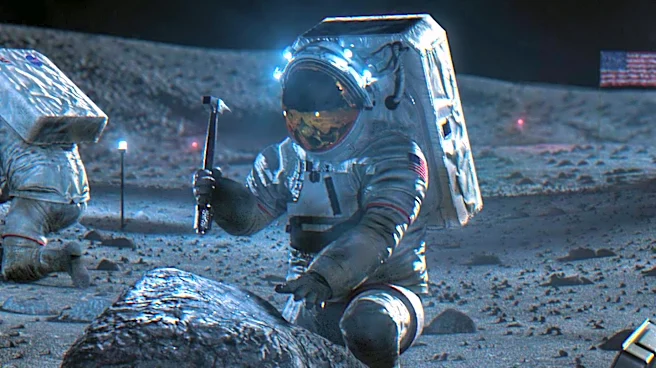
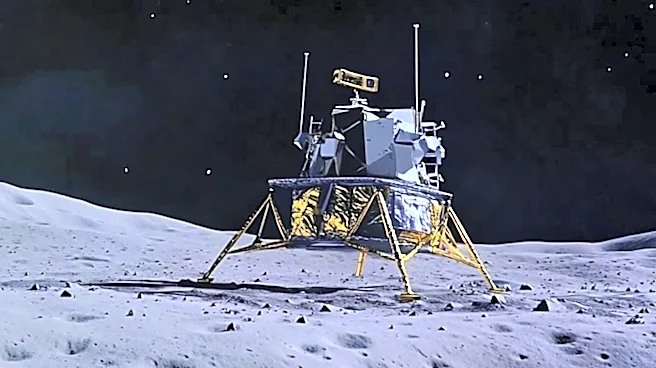
On the fourth day, Apollo 15 entered lunar orbit, preparing for the descent to the Moon's surface. The mission's landing site was Hadley Rille, chosen for its geological diversity. Scott and Irwin piloted the Lunar Module to a successful landing on July 30, 1971. Over the next few days, they conducted four extravehicular activities (EVAs), spending a total of 18.5 hours exploring the lunar surface.
The introduction of the Lunar Roving Vehicle allowed the astronauts to travel further from the landing site than ever before, significantly enhancing their ability to conduct scientific experiments and collect samples. Among their discoveries was the Genesis Rock, believed to be part of the Moon's early crust.
Return Journey and Splashdown
After completing their lunar exploration, Scott and Irwin returned to the Command Module, Endeavour, piloted by Worden. The crew then began their journey back to Earth. During the return trip, Worden performed the first spacewalk in deep space, retrieving film cassettes from the scientific instrument module.
Apollo 15 splashed down safely in the North Pacific Ocean on August 7, 1971, despite the partial opening of one of its three parachutes. The mission was hailed as a success, achieving its scientific objectives and demonstrating the capabilities of the new Lunar Roving Vehicle. Apollo 15's journey remains a testament to human ingenuity and the spirit of exploration.