







Cufflinks have long been associated with elegance and sophistication, serving as a subtle yet impactful accessory in men's fashion. While their primary function is to secure the cuffs of dress shirts, cufflinks have evolved into a symbol of personal style and status. This article explores the cultural and social significance of cufflinks, highlighting their role in fashion and society.
The Cultural Significance of Cufflinks
Cufflinks are more than just functional items; they are a reflection
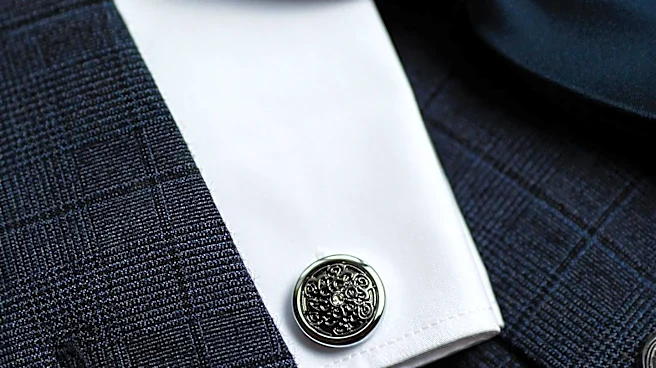
of personal taste and style. The visible part of a cufflink is often monogrammed or decorated with birthstones, hobbies, or associations, allowing wearers to express their individuality. With styles ranging from novelty to traditional and contemporary, cufflinks can be worn with various attire, from tuxedos to casual wear.
In formal settings, cufflinks are essential, particularly for black tie and white tie events. Pearl cufflinks are preferred for white tie occasions, reflecting the strict expectations of formal wear. Sartorial experts traditionally prescribed gold cufflinks for daytime wear and silver for evening wear, although these expectations are less critical today.
Cufflinks as a Status Symbol
Throughout history, cufflinks have been associated with wealth and status. In the 19th century, colored cufflinks made from gemstones and diamonds were worn by men with great self-confidence. The Prince of Wales popularized colorful Fabergé cufflinks, making them a fashionable accessory for men in Britain and the U.S.
Cufflinks became one of the few acceptable items of jewelry for men, symbolizing sophistication and elegance. They were often coordinated with other jewelry, such as watch cases, belt buckles, tie bars, or rings, to create a cohesive look. This coordination underscored the wearer's attention to detail and fashion sense.
The Modern Appeal of Cufflinks
Today, cufflinks continue to be a popular accessory, reflecting the wearer's style and personality. They are worn with a variety of attire, from business suits to casual wear, and are available in numerous designs and materials. The resurgence of traditional male dress in the 1980s brought cufflinks back into fashion, and they remain a staple in men's wardrobes.
Cufflinks are a testament to the blend of functionality and artistry in fashion. As a symbol of style and sophistication, they continue to hold cultural and social significance, allowing wearers to express their individuality and status. Whether worn for formal occasions or casual events, cufflinks remain a timeless accessory in men's fashion.