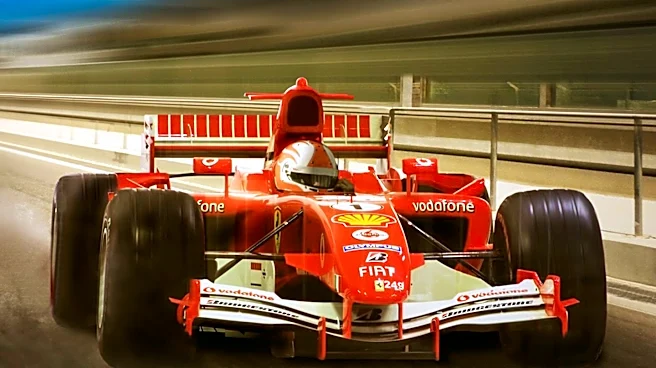


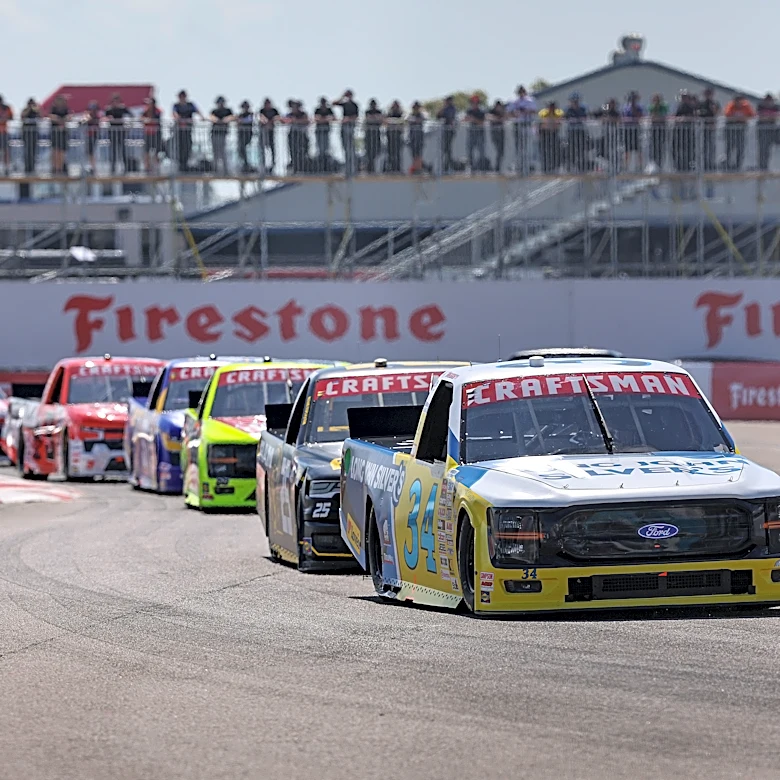




Road racing has always been a thrilling yet dangerous sport. Over the years, the need for improved safety measures has become increasingly apparent, driven by tragic incidents and the evolving nature of the sport. This article delves into the history of safety in road racing, highlighting key events and advancements that have shaped the sport's safety standards.
Early Safety Concerns
In the early days of road racing, safety was not a primary concern. Races were often held
on public roads with minimal protective measures for drivers and spectators. The increasing speeds and the inherent risks of racing led to numerous accidents, prompting calls for better safety standards. The 1955 Le Mans disaster was a turning point, as it resulted in the deaths of 83 spectators and the driver, highlighting the urgent need for improved safety measures.
Following this tragedy, several countries temporarily banned auto racing until safety improvements were made. Switzerland, for instance, did not allow circuit racing until the Zurich ePrix in 2018, following an exemption for Formula E. These incidents underscored the importance of prioritizing safety in road racing, leading to significant changes in race organization and circuit design.
Advancements in Safety
The 1960s and 1970s saw a concerted effort to enhance safety in road racing. The Formula One championship, in particular, experienced several tragic incidents, such as the 1961 Italian Grand Prix at Monza, where a crash resulted in the deaths of 15 spectators and the driver. These events highlighted the need for better safety standards, prompting the introduction of measures such as steel barriers and improved circuit designs.
Motorcycle racing also faced safety challenges, with incidents like the 1972 Isle of Man TT accident leading to a rider's boycott and the eventual revocation of the event's world championship status. The introduction of safety barriers and other protective measures became crucial in reducing the risks associated with high-speed racing.
Modern Safety Standards
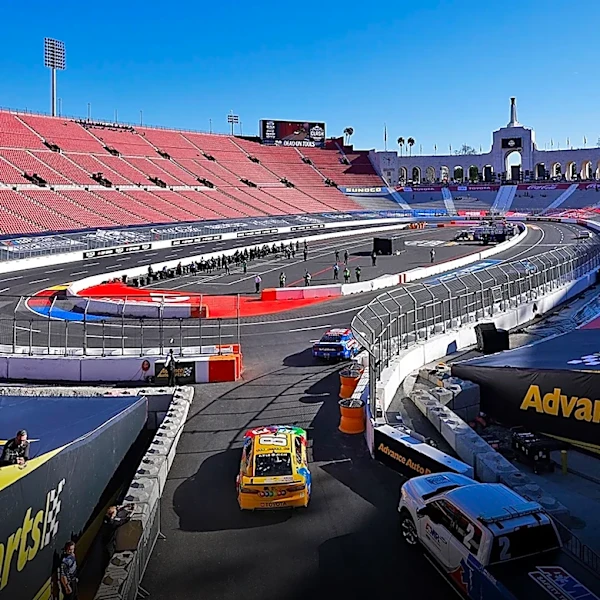
Today, road racing is governed by stringent safety regulations designed to protect both drivers and spectators. Modern circuits are equipped with advanced safety features, including barriers, runoff areas, and improved spectator facilities. These measures have significantly reduced the risks associated with road racing, allowing the sport to continue thriving while prioritizing safety.
Despite the inherent dangers of high-speed racing, the ongoing commitment to safety ensures that road racing remains a thrilling yet secure sport. As technology continues to advance, further improvements in safety are expected, ensuring that road racing can be enjoyed by future generations without compromising the well-being of participants and spectators.