





Aromatherapy is widely recognized for its psychological benefits, often used to promote mental well-being through the use of essential oils. While it is not supported by medical evidence as a cure for diseases, its impact on the mind and emotions is a key reason for its popularity. This article delves into how aromatherapy affects psychological well-being and the methods by which it is commonly used.
The Role of Essential Oils
Essential oils are the cornerstone of aromatherapy,
used for their aromatic properties to influence psychological states. These oils are typically derived from plants and are believed to have various effects on the mind. When inhaled, the scents of essential oils are thought to stimulate the olfactory pathways in the brain, particularly the limbic system, which is associated with emotions and memory.
The psychological impact of essential oils can vary depending on the type of oil used. For instance, lavender is often associated with relaxation and stress relief, while peppermint is believed to enhance alertness and concentration. These effects make essential oils a popular choice for those seeking to improve their mental state naturally.
Methods of Application
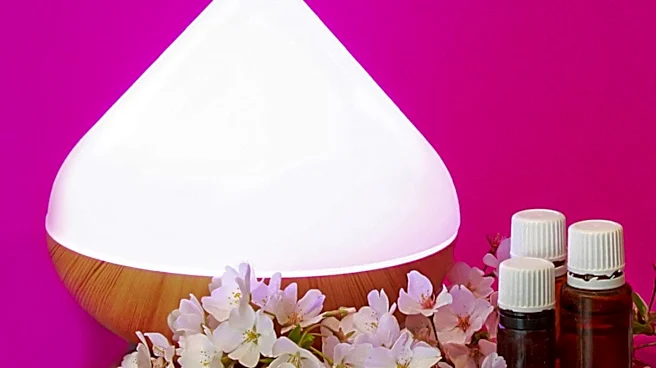
Aromatherapy is most commonly practiced through inhalation, allowing the scents of essential oils to be absorbed into the body. This can be achieved using various methods, such as diffusers, aroma lamps, or simply inhaling the scent directly from the bottle. Each method offers a different way to experience the benefits of essential oils, catering to individual preferences and needs.
In addition to inhalation, essential oils can also be used in other forms, such as bath bombs or bath salts, which combine the soothing effects of warm water with the aromatic properties of the oils. These methods provide a holistic approach to relaxation, engaging multiple senses to enhance the overall experience.
The Debate on Efficacy
While aromatherapy is popular for its psychological benefits, it remains a topic of debate within the scientific community. Critics argue that there is insufficient evidence to support its efficacy as a treatment for mental health conditions. However, many users report positive experiences, citing improved mood and reduced stress as key benefits.
Despite the lack of medical endorsement, aromatherapy continues to be embraced by those seeking alternative methods for mental well-being. Its appeal lies in its natural approach and the personal empowerment it offers, allowing individuals to take control of their mental health in a way that feels both accessible and enjoyable.