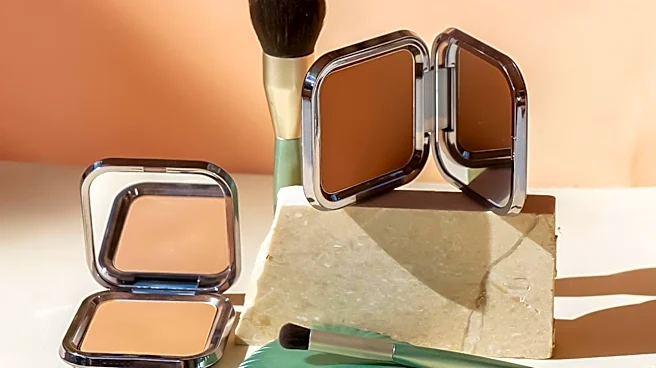







The compact, a small cosmetic case containing a mirror and face powder, has undergone significant transformations since its inception in the early 1900s. Initially, compacts were discreetly hidden within accessories due to the social stigma surrounding makeup. Over time, they evolved into fashionable items, reflecting broader societal changes in the acceptance and use of cosmetics. This article traces the compact's journey from a concealed necessity
to a stylish accessory.
Early Beginnings and Concealment
In the early 1900s, makeup had not yet gained widespread social acceptance. As a result, the first powder cases were often cleverly concealed within everyday items such as walking sticks, jewelry, or hatpins. This allowed women to carry and use makeup discreetly, avoiding the social scrutiny that came with overt cosmetic use. The compact's design during this period was primarily functional, focusing on subtlety and concealment.
The American handbag manufacturer Whiting & Davis played a pivotal role in the compact's early history. In 1896, they began creating lidded compartments in handbags to store powder rouge and combs. By 1908, the Sears catalog advertised a silver-plated case with a mirror and powder puff, small enough to fit in a handbag, marking the compact's transition from hidden accessory to a more openly carried item.
The Rise of the Compact as a Fashion Accessory
As makeup became more mainstream, the compact evolved from a concealed item to a fashionable accessory. In the United States, manufacturers like Evans and Elgin American began producing metal compacts with ornate designs, often featuring finger chains or longer tango chains. These compacts were designed to be displayed rather than hidden in a handbag, reflecting the changing attitudes towards makeup and personal grooming.
The Art Deco movement of the 1920s and 1930s influenced compact design, leading to sleek and stylish creations that were as much about fashion as function. British manufacturer Stratton began importing part-finished powder boxes from the U.S. in 1923 and soon started producing them from scratch. By the 1930s, Stratton was responsible for half of the compacts used by the UK cosmetics industry, highlighting the compact's growing popularity.
Innovations and Global Reach
The compact continued to evolve with innovations that enhanced its functionality and appeal. In 1948, Stratton developed self-opening inner lids to protect the powder and prevent damage to fingernails, a feature that underscored the compact's dual role as a practical and stylish accessory.
By the 1960s, Stratton was exporting compacts worldwide, reflecting the global reach and enduring appeal of this cosmetic staple. The compact had transformed from a hidden necessity into a symbol of personal style and sophistication, mirroring broader societal changes in the perception and use of cosmetics.
The compact's journey from concealment to fashion statement illustrates the dynamic interplay between societal norms, personal expression, and the evolving role of cosmetics in everyday life. As a testament to its enduring appeal, the compact remains a beloved accessory, cherished for its blend of practicality and elegance.