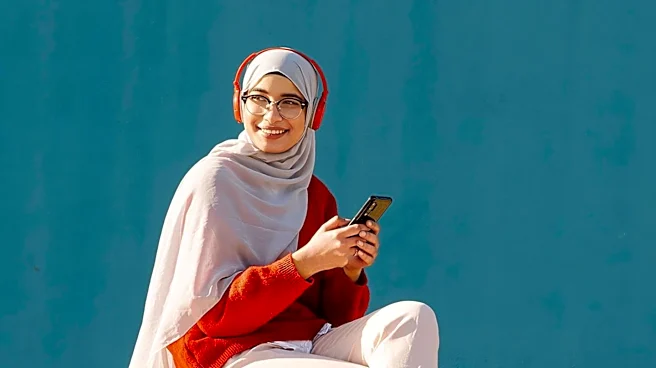








The hijab, a veil worn by many Muslim women, holds significant cultural and social importance across various societies. While often seen as a symbol of modesty and religious faith, the hijab's meaning and reception can vary widely depending on cultural context and individual interpretation. This article delves into the cultural significance of the hijab, examining its role in different societies and the diverse perspectives surrounding it.
The Hijab as a Symbol of Identity
For many
Muslim women, the hijab is more than just a piece of clothing; it is a symbol of identity and faith. Wearing the hijab can be a personal choice that reflects a woman's commitment to her religious beliefs and cultural heritage. In some societies, the hijab serves as a visible marker of Muslim identity, allowing women to express their faith publicly. This expression of identity can foster a sense of belonging and community among Muslim women, as they share a common practice that connects them to their cultural and religious roots.
However, the hijab can also be a source of tension and misunderstanding in societies where it is less common. In some Western countries, for example, the hijab has been the subject of debate and controversy, with discussions often centered around issues of religious freedom and women's rights. Despite these challenges, many Muslim women continue to wear the hijab proudly, viewing it as an integral part of their identity and a means of asserting their autonomy.
The Hijab in Different Cultural Contexts
The cultural significance of the hijab can vary greatly depending on the region and society in which it is worn. In some Middle Eastern countries, the hijab is a common and accepted part of everyday life, with many women choosing to wear it as a reflection of their cultural and religious values. In these contexts, the hijab is often seen as a symbol of modesty and respectability, aligning with traditional norms and expectations.
In contrast, in countries where the hijab is less prevalent, it can be perceived differently. In some Western societies, the hijab may be viewed as a symbol of resistance or defiance against cultural assimilation. For some women, wearing the hijab in these contexts is a way to challenge stereotypes and assert their right to express their religious and cultural identity freely.
The Hijab and Social Dynamics
The hijab also plays a role in shaping social dynamics within communities. In some cases, it can serve as a unifying force, bringing together women who share similar beliefs and values. This sense of solidarity can be empowering, providing women with a supportive network and a platform to advocate for their rights and interests.
Conversely, the hijab can also be a point of division, particularly in multicultural societies where differing views on religious expression exist. Debates over the hijab often touch on broader issues of integration, multiculturalism, and the balance between individual rights and societal norms. Despite these complexities, the hijab remains a powerful symbol of cultural and religious identity for many women around the world.