





Ciabatta, an Italian white bread, is celebrated for its distinctive texture and flavor. While it originated in Veneto, Italy, ciabatta has been embraced by various regions across the country, each adding its own twist to the classic recipe. This article explores the regional variations of ciabatta and the unique characteristics that make each version special.
Veneto: The Birthplace of Ciabatta
The story of ciabatta begins in Veneto, where it was first created by Arnaldo Cavallari in 1982.
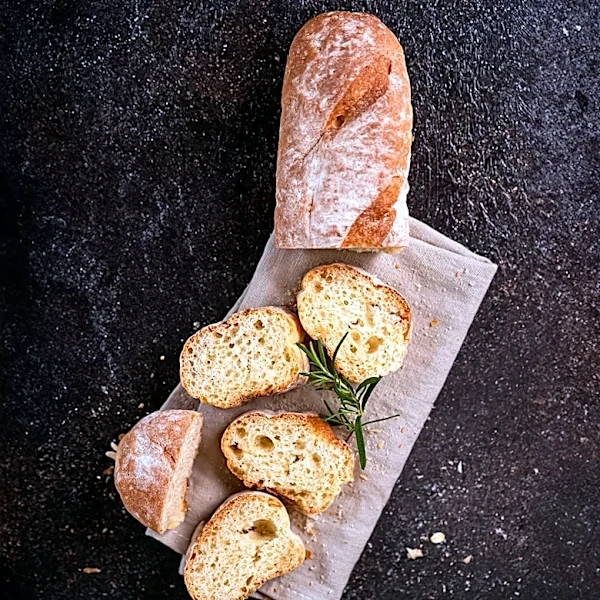
Known as ciabatta polesana, this version of the bread is characterized by its high hydration dough and large holes. The use of strong flour gives the bread its signature texture, making it a favorite among locals and visitors alike.
Cavallari's ciabatta quickly gained popularity, and his company, Molini Adriesi, helped spread the recipe to bakers in 11 countries by 1999. This international expansion solidified ciabatta's place as a beloved bread variety worldwide.
Lake Como: A Crisp and Light Variation
In the area surrounding Lake Como, ciabatta takes on a unique form. This regional variation is known for its crisp crust and light, porous texture. The bread is often described as being light to the touch, making it a popular choice for those who prefer a more delicate bread.
The ciabatta from Lake Como highlights the versatility of the bread, showcasing how subtle changes in technique and ingredients can result in a distinct product. This variation is a testament to the creativity and skill of Italian bakers.
Tuscany, Umbria, and Marche: Diverse Textures and Flavors
The ciabatta found in Tuscany, Umbria, and Marche regions offers a diverse range of textures and flavors. Some versions feature a firm crust and dense crumb, while others boast a crisper crust and more open texture. These differences reflect the regional preferences and culinary traditions of each area.
In Rome, ciabatta is often seasoned with marjoram, adding a unique flavor profile to the bread. This variation demonstrates how ciabatta can be adapted to suit local tastes, further cementing its status as a versatile and beloved bread.
The regional variations of ciabatta across Italy showcase the bread's adaptability and enduring appeal. Each version offers a unique take on the classic recipe, highlighting the creativity and skill of Italian bakers. As ciabatta continues to evolve, it remains a cherished part of Italy's culinary heritage.