



Yoga asanas, or poses, are a fundamental component of yoga practice, offering a wide range of physical and mental benefits. These postures are not merely static positions but are often categorized based on their physical orientation, the primary muscle groups engaged, or the overall effect they aim to achieve. Understanding these classifications can provide a clearer picture of the breadth and depth of yoga, from grounding reclining poses to invigorating
inversions. The structure of these categories helps practitioners and instructors alike to organize and approach the vast repertoire of asanas in a systematic way, highlighting the specific characteristics and intentions behind each group of poses.
Inverted Asanas: Shifting Perspective
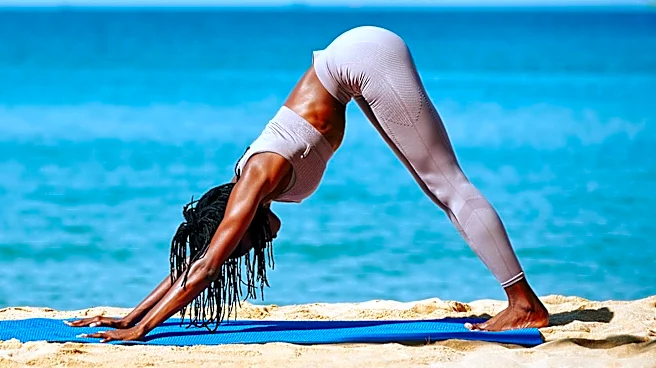
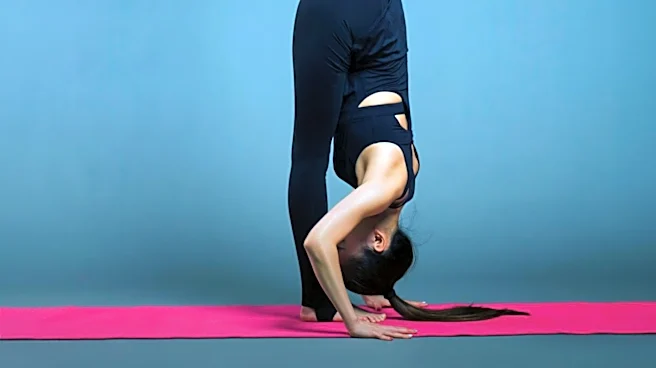
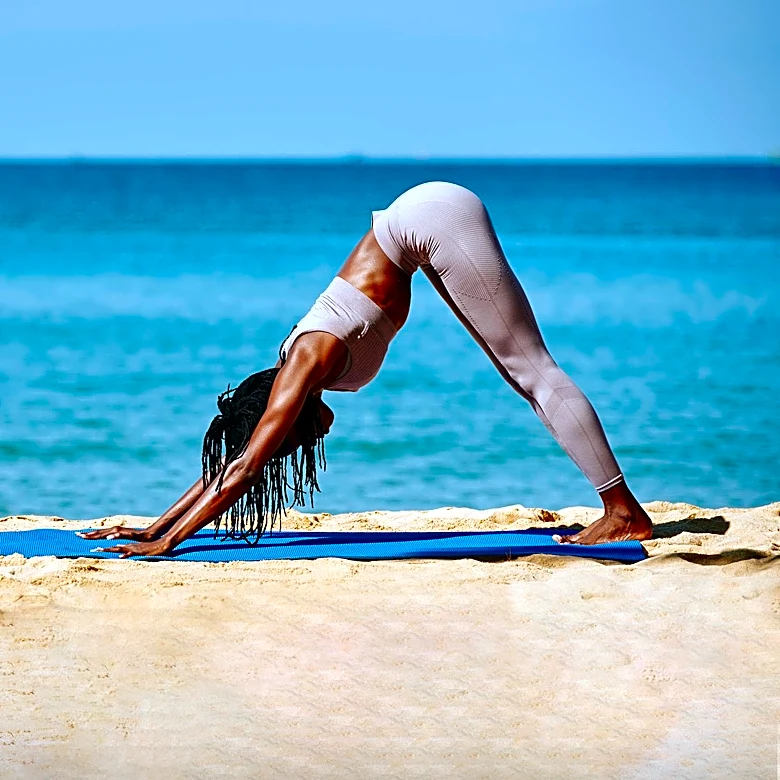
One significant category of yoga asanas is the "Inverted" poses. These postures involve positioning the head below the heart, often with the feet elevated above the head. This inversion can bring about unique physiological effects, such as increased blood flow to the brain and a different perspective on the body's relationship with gravity. Examples within this category include Adho Mukha Svanasana, commonly known as downward-facing dog, which is a foundational pose that gently inverts the body while strengthening the arms and legs. Another prominent inverted pose is Adho Mukha Vrkshasana, or handstand, which demands significant upper body strength and balance.Further examples of inverted asanas illustrate the variety within this group. Halasana, or plough pose, involves bringing the legs over the head until the toes touch the floor behind, offering a deep stretch to the spine and hamstrings. Sarvangasana, known as shoulderstand, is often referred to as the "queen of asanas" due to its comprehensive benefits, involving the entire body supported on the shoulders. Setu Bandha Sarvangasana, or bridge pose, is a less intense inversion that opens the chest and strengthens the back. Shirshasana, or headstand, is considered the "king of asanas," requiring strength, balance, and focus. Other inverted poses like Viparita Karani (legs up the wall) and Vrischikasana (scorpion) further demonstrate the range of challenges and benefits offered by this category.
Reclining Asanas: Grounding and Restorative Poses
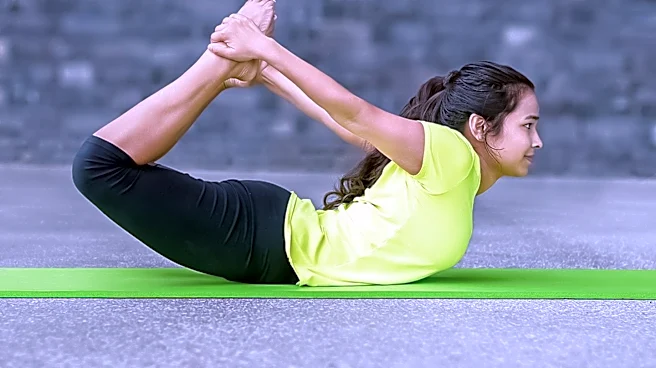
In contrast to the dynamic nature of inverted poses, "Reclining" asanas are typically performed lying down, often promoting relaxation, gentle stretching, and a sense of grounding. These poses can be restorative, allowing the body to release tension and find stillness. Makarasana, or crocodile pose, is an example of a reclining pose that often serves as a resting posture, allowing the body to relax fully. Ashtanga Namaskara, also known as eight-limbed pose, is another reclining posture that is part of the Sun Salutation sequence, engaging multiple parts of the body while remaining close to the ground.The reclining category encompasses a broad spectrum of poses, from deeply relaxing to moderately active. Anantasana, or Vishnu's couch, is a reclining pose that stretches the side of the body and challenges balance. Bhekasana, or frog pose, is a reclining backbend that opens the hips and quadriceps. Chaturanga Dandasana, or low plank, is a strength-building reclining pose that is crucial in many vinyasa flows. Dhanurasana, or bow pose, is a reclining backbend that opens the chest and abdomen. Other poses like Jathara Parivartanasana (belly twist), Matsyasana (fish), Shalabhasana (locust), Shavasana (corpse), Vasishtasana (side plank), and Yoganidrasana (yogic sleep) further highlight the diversity and purpose of reclining asanas, ranging from active engagement to profound rest.