







The story of solar panels at the White House is a tale of ambition, innovation, and political change. It began in 1979 when President Jimmy Carter installed solar panels on the White House roof, marking a significant step towards renewable energy. However, this initiative was short-lived, as the panels were removed in 1986 during the Reagan administration. This article explores the journey of these solar panels and the broader implications of their
installation and removal.
Installation Under the Carter Administration
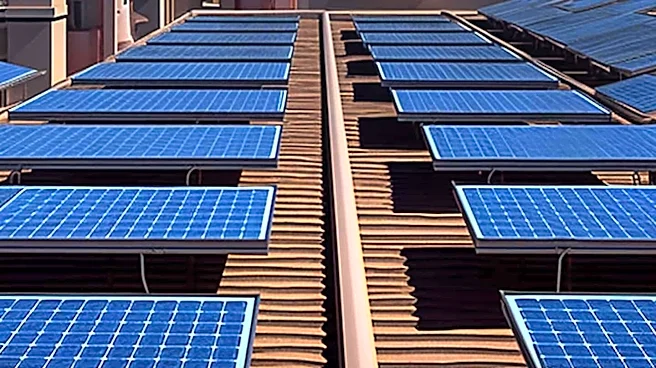
In June 1979, President Carter oversaw the installation of 32 solar water heating panels on the roof of the West Wing. These panels were designed to provide a substantial portion of the energy needed to heat water for the White House staff kitchen. Carter's dedication ceremony highlighted his vision for a future where solar energy played a crucial role in the nation's energy landscape.
The installation of these panels was part of Carter's broader strategy to promote renewable energy and reduce dependence on fossil fuels. The administration set a goal for renewable energy to meet 20 percent of the nation's energy needs by 2000. This ambitious target was supported by increased funding for energy research and tax incentives for solar power.
Removal During the Reagan Administration
Despite the initial enthusiasm, the solar panels were removed in 1986 during the Reagan administration. The removal occurred during a roof resurfacing project, and the panels were subsequently stored in a warehouse. This decision reflected a shift in energy policy under Reagan, who eliminated tax breaks for solar panels and reduced support for renewable energy initiatives.
The removal of the panels was symbolic of the broader changes in energy policy during the Reagan years. The focus shifted away from renewable energy, and the momentum gained during the Carter administration was lost. This change in direction highlighted the challenges of maintaining consistent energy policies across different administrations.
Legacy and Reflection
The story of the White House solar panels is a reminder of the complexities of energy policy and the impact of political change. While the panels were removed, the initiative set a precedent for future administrations to consider renewable energy solutions. It also underscored the importance of government leadership in driving innovation and change in the energy sector.
The rise and fall of solar panels at the White House serve as a historical lesson in the potential and challenges of renewable energy. It highlights the need for sustained commitment and support to achieve long-term energy goals, regardless of political shifts. The legacy of the Carter administration's solar initiative continues to inspire efforts towards a more sustainable energy future.