


The Kyalami Grand Prix Circuit, located in Midrand, Gauteng, South Africa, has a rich and complex history marked by periods of high-profile racing, political influence, and significant physical transformations. Opened in 1961, the circuit quickly established itself as a premier venue for international motorsport, hosting Formula 1 races and other major events. Over the decades, its layout and purpose have evolved, reflecting both the changing landscape
of global racing and local developments. From its early days as a fast, sweeping track to its modern-day status as a multi-purpose facility, Kyalami's story is one of continuous adaptation.
Early Days and Formula 1 Glory
The circuit first opened its gates on November 4, 1961, with the Kyalami 9 Hours race. Its design, featuring a long straight and nine corners, was initially conceived by Harry Pierce and Dick Bremner in the mid-1950s. These individuals were also instrumental in hosting early race teams that traveled to Africa to test the new track, with Bremner serving as the chairman of the South African Automotive Racing Association. The original Grand Prix Circuit, used from 1961 to 1967, measured 4.094 kilometers (2.544 miles) and had nine turns. Its first major international event took place in 1961.
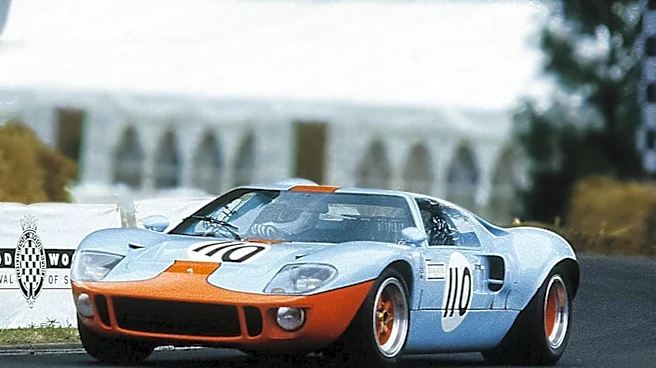
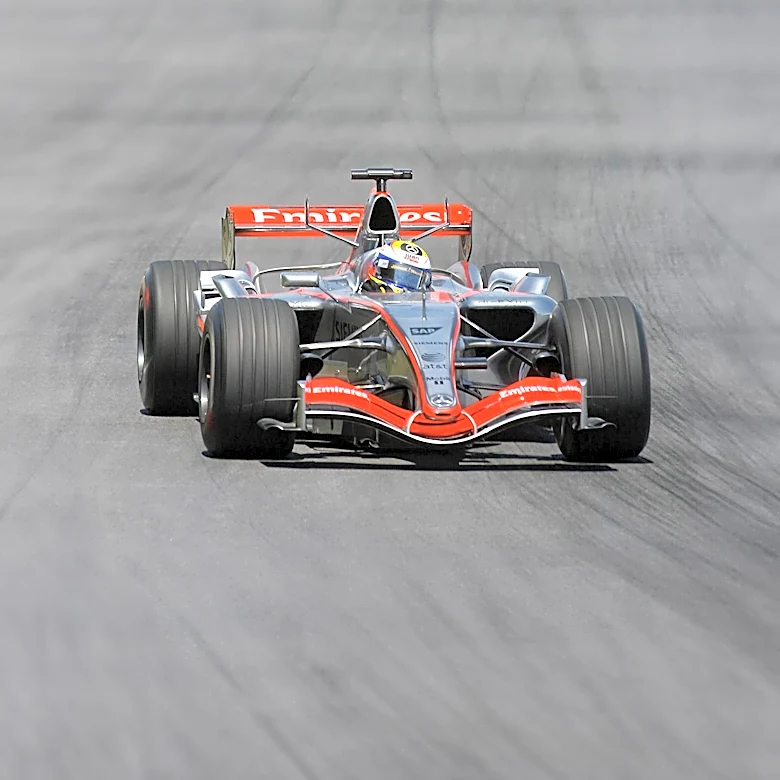
Kyalami became a regular host for the Formula 1 World Championship, staging the South African Grand Prix from 1967 to 1985. During this era, the circuit was known for its high-speed character. However, political sanctions related to apartheid policies led to the temporary suspension of the Grand Prix after the 1985 race. The final race on the original circuit configuration was held on November 26, 1988, marking the end of an era for the classic layout.
Major Revisions and Shifting Fortunes
In the late 1980s, the circuit underwent a fundamental reconstruction as part of a commercial development. This extensive rebuild in 1989 saw the elimination of several iconic sections, including Leeukop Bend, the Kink, the original pit lane, the start/finish straight, Crowthorne Corner, and Barbecue Bend. Jukskei Sweep was heavily modified to create the entrance into a new bend before the newly built pit lane and start/finish straight. While parts of the old fast circuit, such as Sunset Bend, Clubhouse Bend, and the Esses, were retained in a modified form, the overall result was a narrower, more winding track, a significant departure from its previous reputation as one of the fastest circuits on the calendar.
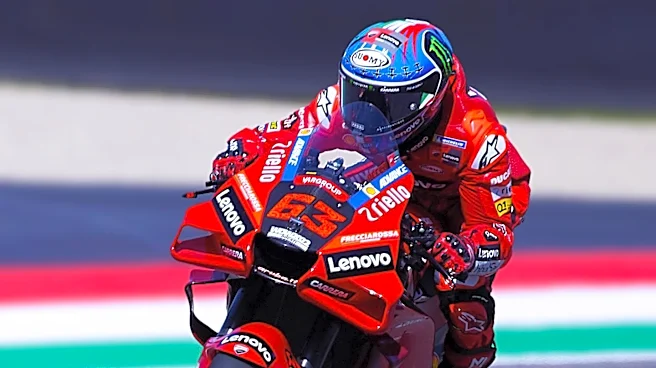
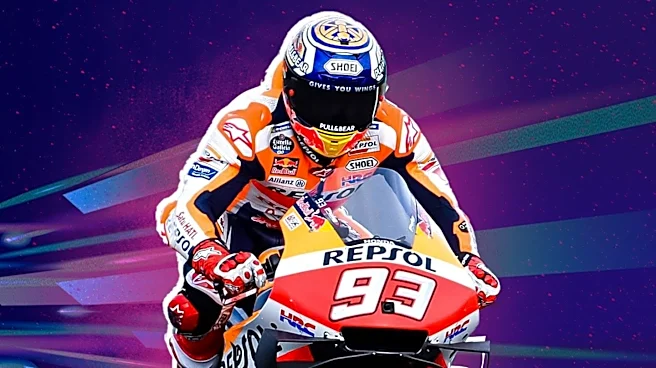
Following the end of apartheid, Formula 1 briefly returned to the rebuilt circuit for the 1992 and 1993 seasons. However, this return was short-lived, as a bankruptcy on the part of the promoter led to Formula 1 abandoning the track after just two races on the new layout. Between 1983 and 1992, Kyalami also hosted the South African motorcycle Grand Prix four times as part of the Motorcycle World Championship. Further changes were made to the circuit, including the construction of the current pit lane and start/finish straight. Later, a chicane was added, only to be removed again for the 2009 World Superbike race.
Modern Era and Future Prospects
In 2009, the Superbike World Championship returned to Kyalami for the first time since 2002, followed by another event in 2010. However, a contract between the Gauteng provincial government and the Superbike World Championship promoter, originally set to run until 2015, was dissolved. On June 6, 2014, it was announced that Kyalami would be auctioned off without reserve on July 24. Toby Venter, owner of Porsche South Africa, was the winning bidder, acquiring the circuit for R205 million. He invested R100 million to upgrade the circuit, enabling it to achieve an FIA Grade 2 status.
Today, the circuit hosts fewer races, partly due to its location in a residential area and strict noise regulations. Some parts of the circuit have even been converted into the Kyalami Office Park, housing small and medium-sized businesses. Despite these changes, international racing has seen a partial return, with the 9 Hours of Kyalami, part of the Intercontinental GT Challenge, taking place since 2019. There have also been discussions about Formula 1 returning to the African continent, with Kyalami being a potential venue, though it currently requires an upgrade to FIA Grade 1 to host a Grand Prix.