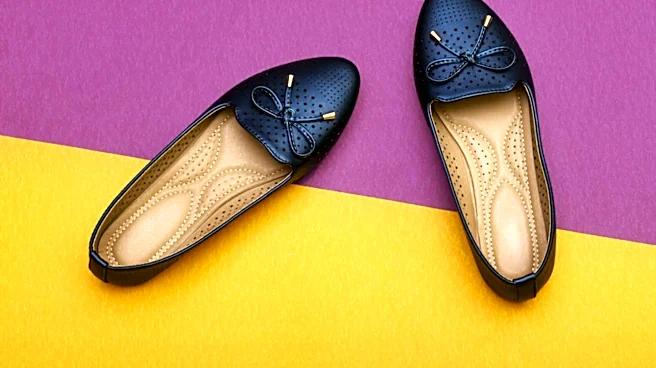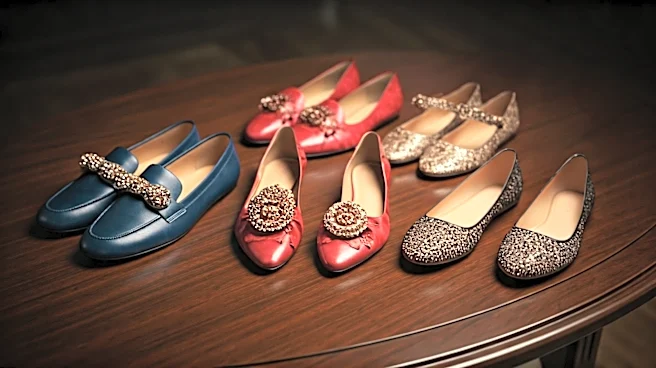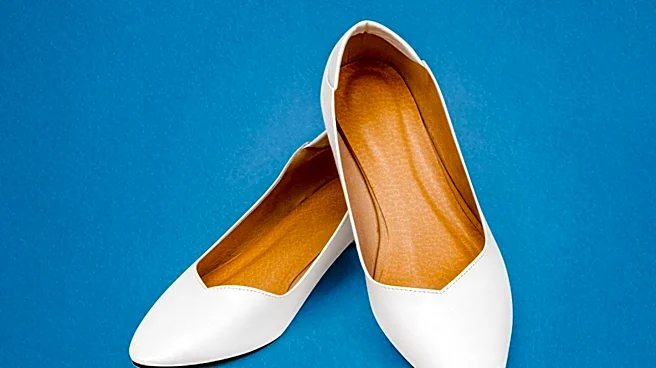






Ballet flats, known for their sleek and simple design, have a rich history that traces back to the world of dance. Originally inspired by ballet shoes, these flats have evolved over centuries to become a staple in modern fashion. Their journey from the stage to the streets is a fascinating tale of adaptation and style. This article delves into the historical development of ballet flats, highlighting key milestones that have shaped their transformation
from functional dance footwear to versatile fashion items.
Origins in Dance
The concept of ballet flats can be traced back to the sixteenth century when men wore similar shoes known as pompes. These early versions were popular among both men and women during medieval times. However, the high-heeled shoe took over in the seventeenth and eighteenth centuries, largely due to Catherine de' Medici's influence. She requested her cobbler to add height to her wedding shoes, sparking a trend that lasted until Marie Antoinette's infamous walk to the guillotine in heels.
The nineteenth century saw a shift back to functional footwear, including flat shoes, as high heels quickly fell out of favor. This period laid the groundwork for the modern ballet flat, which emerged in the twentieth century. American fashion designer Claire McCardell played a pivotal role in this transformation by commissioning Salvatore Capezio to create ballet flats with rubber soles that matched her designs. This innovation marked the beginning of ballet flats as a fashion item.
Rise in Popularity
The popularity of ballet flats soared in the mid-twentieth century, thanks to influential figures in fashion and entertainment. In 1947, Rose Repetto crafted her first ballet flat for her son, Roland Petit, a renowned dancer and choreographer. The design caught the attention of actress Brigitte Bardot, who wore Repetto's flats, sparking a fashion trend that brought ballet flats into the mainstream.
Audrey Hepburn further cemented the status of ballet flats as a fashion staple when she wore them in the 1957 film "Funny Face." Paired with cigarette pants, Hepburn's look became iconic, leading to a surge in the popularity of ballet flats. This period marked a significant turning point, as ballet flats became synonymous with elegance and versatility, suitable for both formal and casual attire.
Modern Adaptations
In recent years, ballet flats have continued to evolve, adapting to contemporary fashion trends while maintaining their classic appeal. Around 2005-2010, ballet pumps became highly fashionable, popularized by top models like Sienna Miller, Kate Moss, and Mischa Barton. The trend experienced a revival in 2022, showcasing the enduring appeal of ballet flats in the fashion world.
Despite their simplicity, ballet flats have faced health concerns, such as "turf toe," due to their lack of support and shock absorption. Fashion writers have advised wearing them sparingly to avoid strain on the feet. Nevertheless, ballet flats remain a beloved choice for many, offering a blend of style and comfort that continues to captivate fashion enthusiasts worldwide.