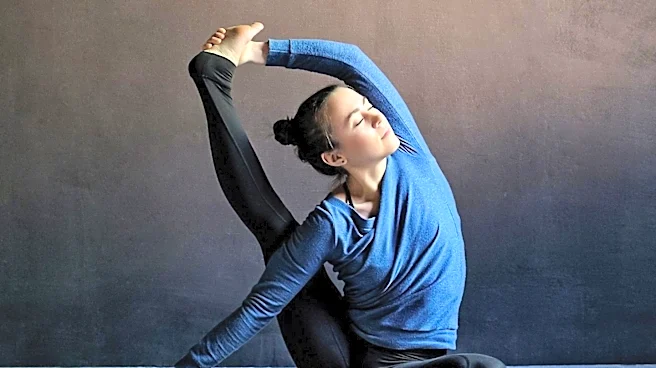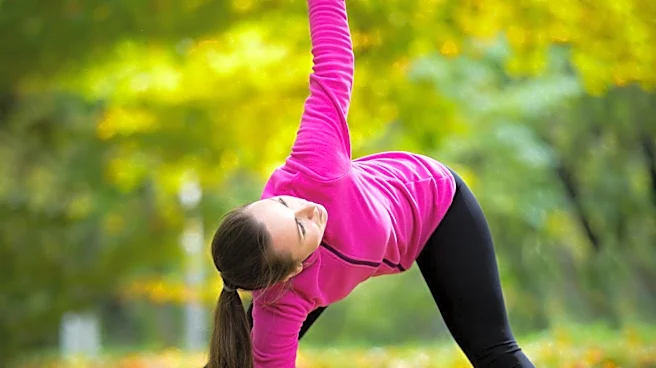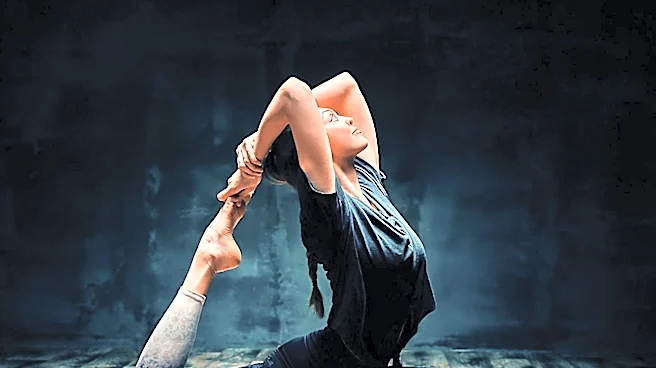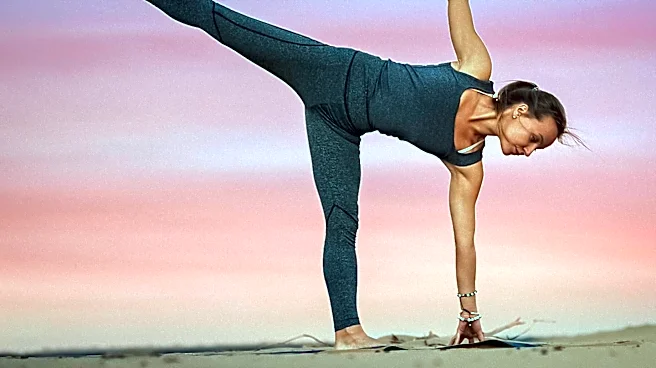





Half Moon Pose, known as Ardha Chandrasana in Sanskrit, is a standing asana that has evolved significantly across different yoga traditions. While its modern form is widely practiced, variations of this pose can be found in styles such as Sivananda Yoga and Bikram Yoga. This article explores the historical evolution and diverse adaptations of Half Moon Pose, highlighting its significance in the yoga world.
Historical Origins and Modern Usage
The name Ardha Chandrasana is derived from
Sanskrit, where 'ardha' means 'half' and 'chandra' means 'moon.' The pose's modern usage was popularized by B.K.S. Iyengar in his 1966 book, Light on Yoga. However, the term has been used historically to describe different poses, such as Vrikshasana in the 19th-century Sritattvanidhi and a pose similar to Kapotasana by Swami Yogesvarananda in 1970.
The evolution of Half Moon Pose reflects the dynamic nature of yoga practice. As yoga spread globally, practitioners and teachers adapted poses to suit various needs and styles. This adaptability is evident in the multiple interpretations and applications of Ardha Chandrasana across different yoga schools.
Variations Across Yoga Styles
In Sivananda Yoga, Half Moon Pose is known as Anjaneyasana and is part of the moon salutation series, Chandra Namaskar. This variation emphasizes the connection to lunar energy and is practiced with a focus on fluidity and grace. The Bihar School of Yoga, a derivative of Sivananda Yoga, also incorporates this pose into its sequences.
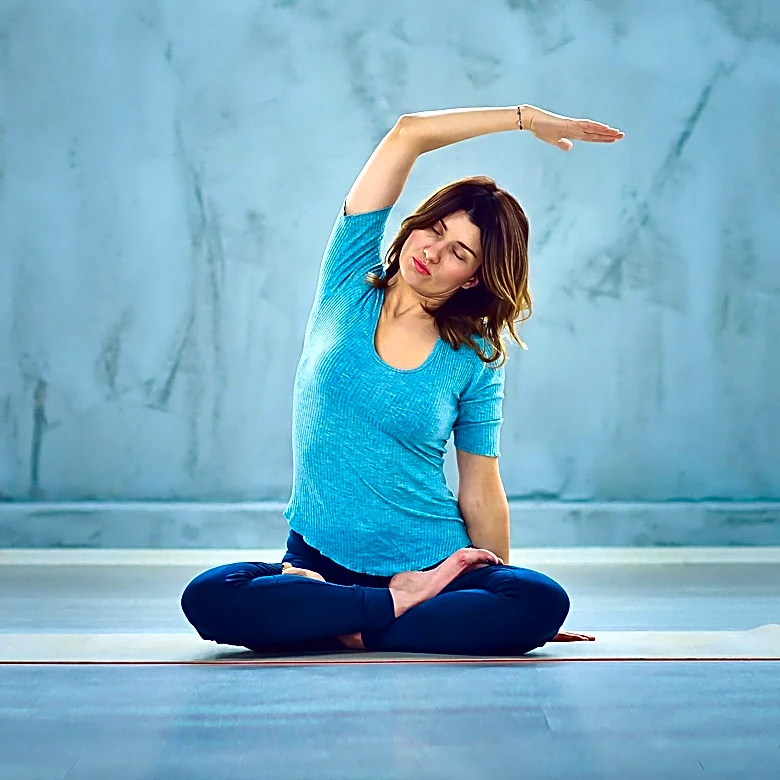
Bikram Yoga offers a distinct interpretation of Half Moon Pose, referring to it as a two-legged standing side bend, also known as Indudalasana. This version emphasizes the lateral stretch and is practiced in a heated environment to enhance flexibility and detoxification. The side bend variation challenges the body's balance and engages the core muscles, offering a unique approach to the traditional pose.
Exploring Revolved Variations
Revolved variations of Half Moon Pose add a layer of complexity and depth to the practice. Parivrtta Ardha Chandrasana, or Revolved Half Moon Pose, involves rotating the body towards the standing leg, intensifying the stretch and balance required. This variation is particularly beneficial for improving spinal flexibility and enhancing focus.
Baddha Parivrtta Ardha Chandrasana, or Bound Revolved Half Moon Pose, takes the revolved variation further by incorporating a bind around the standing leg. This adaptation engages the arms and shoulders, promoting a deeper stretch across the torso and enhancing the pose's grounding effect.
The evolution and variations of Half Moon Pose demonstrate the richness and diversity of yoga practice. As practitioners explore these different forms, they gain insights into the adaptability and transformative power of yoga. Whether practiced in its traditional form or through innovative variations, Half Moon Pose continues to be a cornerstone of modern yoga.