







The White House serves a dual purpose as both the official residence and the principal workplace of the President of the United States. This unique combination has led to a continuous evolution of its interior spaces and facilities, shaped by the needs, preferences, and technological advancements of each presidential administration. From early expansions to modern technological integrations, the White House has consistently adapted to support the demanding
roles of the nation's leader and their family.
Adapting to Presidential Needs: Early Modifications
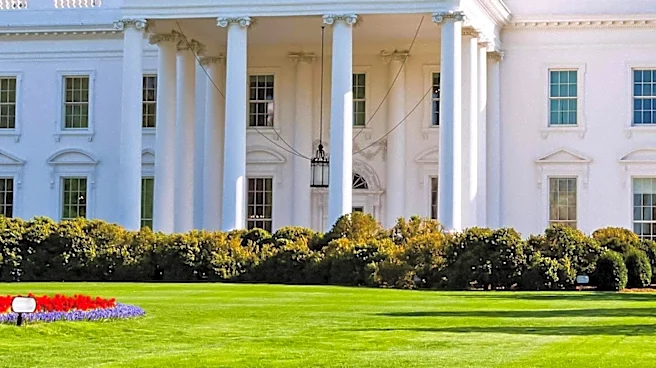
When President John Adams first occupied the White House in 1800, it was still incomplete. His successor, Thomas Jefferson, despite finding the house excessively large, immediately considered ways to expand and improve it. Working with Benjamin Henry Latrobe, Jefferson helped design the East and West Colonnades, which were small wings intended to discreetly house domestic operations such as laundry, stables, and storage. These early modifications highlight the immediate need to integrate practical functions into the grand presidential residence.
As the nation grew, so did the demands on the White House. By the time of the American Civil War, the building had become overcrowded. Concerns were also raised about its location, just north of a canal and swampy lands, which contributed to unhealthy conditions. Brigadier General Nathaniel Michler proposed abandoning the White House as a residence and designed a new estate at Meridian Hill, but Congress rejected this plan. This period underscored the ongoing challenge of balancing the historical significance of the White House with the practical requirements of a growing executive branch.
Modernization and Functional Expansions
In 1902, President Theodore Roosevelt addressed the issue of crowding by relocating all work offices to the newly constructed West Wing. This marked a significant shift, separating the president's living quarters from their primary workspace. Eight years later, in 1909, President William Howard Taft expanded the West Wing and created the first Oval Office, a space that would become synonymous with presidential power. This office was later moved and expanded again, reflecting its growing importance. The third-floor attic in the Executive Residence was converted into living quarters in 1927, and a newly constructed East Wing was added as a reception area for social events, further expanding the functional capacity of the complex.
President Franklin D. Roosevelt made the White House one of the first wheelchair-accessible government buildings in Washington, D.C., due to his paralytic illness. In the 1990s, Hillary Clinton approved the addition of a ramp in the East Wing corridor, improving wheelchair access for public tours and special events. These modifications demonstrate a commitment to accessibility and inclusivity within the historic structure.
Technological Integration and Ongoing Refurbishments
The latter half of the 20th century brought significant technological advancements to the White House. Computers and the house's first laser printer were introduced during the Carter administration, with computer technology expanding further during the Reagan administration. While a set of solar water heating panels installed during the Carter era was removed under Reagan, solar thermal heaters were reinstalled in 2003 by the George W. Bush administration to heat water for landscape maintenance and the presidential pool and spa. In 2013, President Barack Obama had solar panels installed on the roof, marking the first time solar power was used for the president's living quarters.
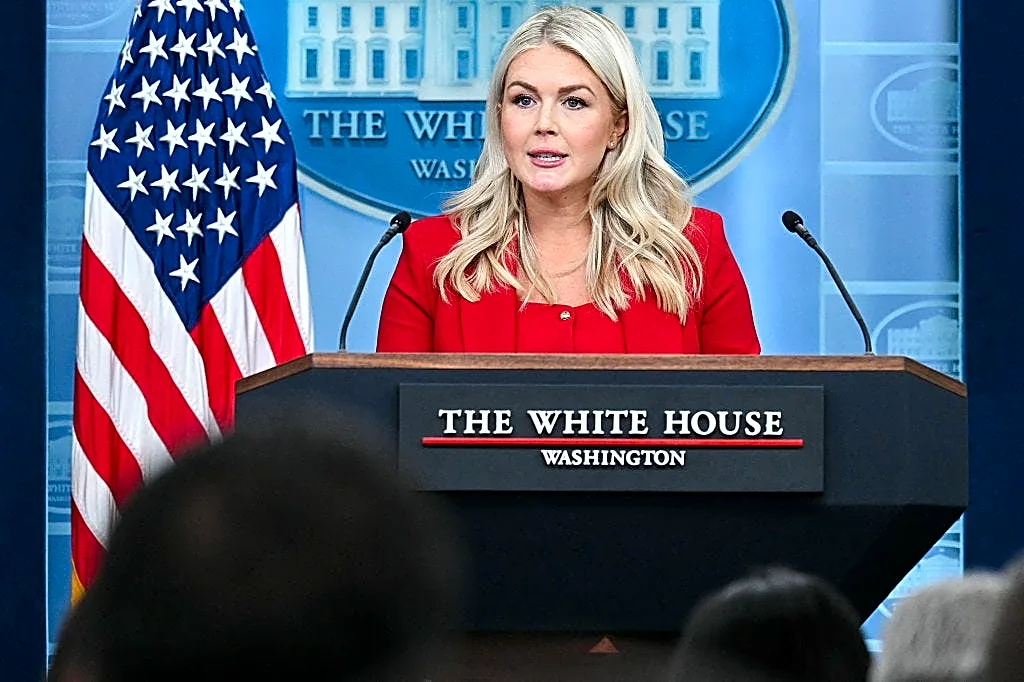
Beyond technology, presidential families have continuously refurbished and updated the private quarters and state rooms. First Lady Pat Nixon, during the Nixon Administration, refurbished the Green Room, Blue Room, and Red Room, acquiring over 600 artifacts for the house. Her husband also created the modern press briefing room over Franklin Roosevelt's old swimming pool and added a single-lane bowling alley to the basement. During the administration of George W. Bush, First Lady Laura Bush refurbished the Lincoln Bedroom in a style contemporary with the Lincoln era, and the Green Room, Cabinet Room, and theater were also updated. These ongoing efforts ensure that the White House remains a comfortable home and a highly functional workplace for the President and their staff.