
Baking a cupcake involves more than just mixing ingredients; it's a process influenced by specialized equipment and techniques that have evolved over time. From the earliest pottery cups to modern silicone
molds, the tools used to create these single-serving delights play a crucial role in their final form and texture. Understanding the function of cupcake pans, the benefits of liners, and the various methods for filling and decorating reveals the practical artistry behind this popular treat. These elements combine to make cupcake baking both efficient and creatively rewarding for bakers of all skill levels.
The Evolution of Baking Vessels
Originally, cupcakes were baked in heavy pottery cups. This method predates the widespread availability of specialized muffin tins, with bakers utilizing individual ramekins, small coffee mugs, large teacups, or other small, ovenproof pottery-type dishes. Even today, some bakers continue to use these individual ceramic vessels, embracing a more traditional approach. However, the most common method for baking cupcakes now involves muffin tins. These pans are typically made from metal, often with a non-stick surface, and usually feature six or twelve depressions, or "cups."Beyond metal, muffin tins can also be crafted from stoneware, silicone rubber, or other materials, offering different heat distribution and non-stick properties. A standard cupcake cup measures about 3 inches (76 mm) in diameter and holds approximately 4 ounces (110 g) of batter. However, the market also caters to diverse preferences with pans designed for both miniature and jumbo-sized cupcakes. Specialty pans further expand these options, providing a variety of different sizes and shapes, allowing for creative presentations beyond the traditional round form.
The Indispensable Role of Cupcake Liners
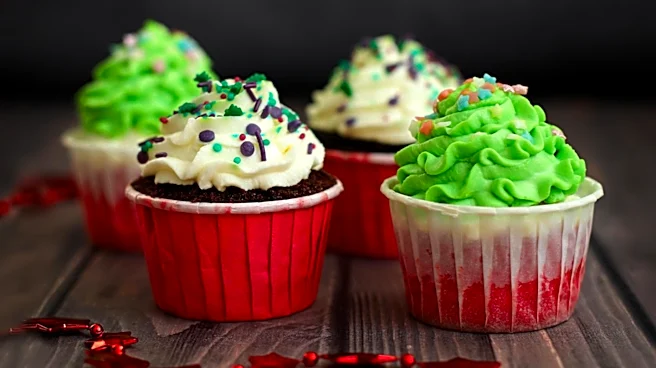
Individual patty cases, more commonly known as cupcake liners, are a staple in modern cupcake baking. These are typically round sheets of thin paper, pressed into a fluted cup shape. Liners offer several practical advantages: they facilitate the easy removal of the cupcake from the tin after baking, help to keep the cupcake moist by retaining moisture, and significantly reduce the effort required to clean the baking pan. Beyond convenience, the use of liners is also considered a more sanitary option, particularly when cupcakes are being handled and passed among people.Just like cupcake pans, liners come in various sizes, from miniature to jumbo, to match different pan dimensions. While paper is the most common material, cupcake liners can also be made from very thin aluminum foil or, for a reusable option, silicone rubber. Foil and silicone liners possess the unique advantage of being able to stand up on their own, allowing them to be used on a flat baking sheet without the need for a specialized muffin tin. This makes them particularly popular among bakers who may not own a dedicated cupcake pan. Some of the largest paper liners are designed without fluting and are made from thicker paper, often with a rolled top edge for added strength, enabling them to stand independently for baking without a tin. Some bakers even nest two or three thin paper liners together to achieve the strength of a single foil cup. These paper cases, as they are also called, come in slightly different "standard" sizes across various countries, with Australian and Swedish bakers, for instance, accustomed to taller cases with a larger top diameter than their American and British counterparts.