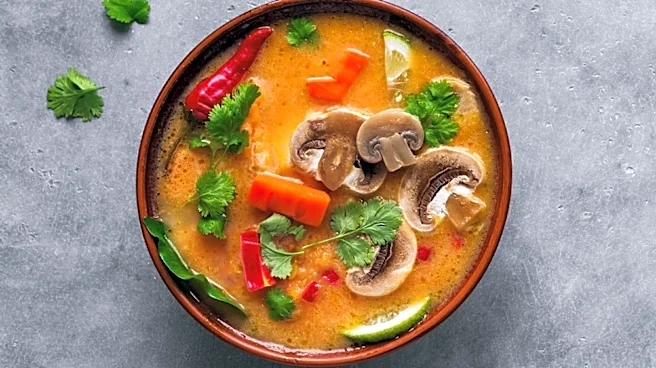







Tom Yum soup, a staple of Thai cuisine, is renowned for its hot and sour flavors. This iconic dish has a rich history and has evolved over time to include various ingredients and styles. The name 'Tom Yum' itself is derived from two Thai words: 'Tom,' which refers to the boiling process, and 'Yum,' meaning 'mixed.' This article delves into the origins of Tom Yum soup and its evolution into the diverse variations enjoyed today.
Historical Roots
Tom Yum soup's origins
can be traced back to India, where a similar dish known as sour prawn soup exists. This connection highlights the cultural exchanges between regions and the adaptation of culinary practices. In Thailand, Tom Yum has become a beloved dish, with its strong hot and sour flavors making it a favorite among locals and tourists alike.
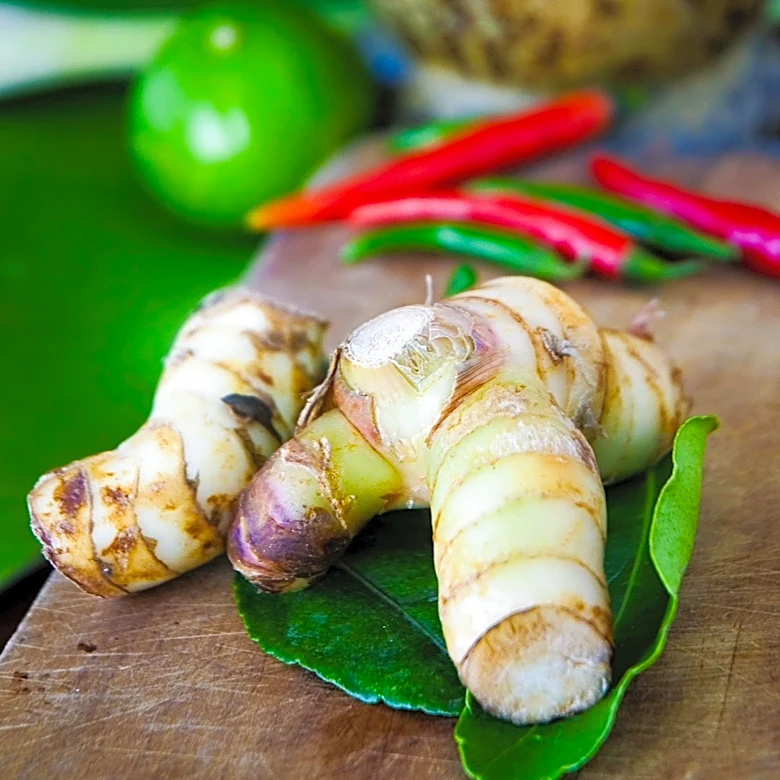
The soup's popularity in Thailand is partly due to the availability of fresh ingredients such as shrimp, pork, chicken, and seafood. These ingredients are combined with aromatic herbs like lemongrass, kaffir lime leaves, and galangal, creating a unique and flavorful broth. The use of these fresh ingredients reflects the Thai emphasis on vibrant and aromatic flavors.
Variations of Tom Yum
Tom Yum soup is not a monolithic dish; it comes in several variations that cater to different tastes and preferences. The most popular types are Tom Yum Nam Khon, a creamy version, and Tom Yum Nam Sai, a clear version. Each variation offers a distinct taste experience, with the creamy version providing a richer texture and the clear version offering a more intense flavor.
Other variations include Tom Yum Pla, a clear fish soup traditionally eaten with rice, and Tom Yum Gai, the chicken version. Tom Yum Po Taek, or Tom Yum Thale, features mixed seafood like prawns, squid, clams, and fish. These variations demonstrate the adaptability of Tom Yum soup to different ingredients and cooking styles.
Modern Adaptations
In recent years, Tom Yum soup has seen modern adaptations that incorporate new ingredients and techniques. For instance, mushrooms such as straw or oyster mushrooms are now commonly added to the soup. Additionally, commercial Tom Yum paste has become widely available, allowing for easier preparation without compromising on flavor.
The paste is made by crushing herb ingredients and stir-frying them in oil, then adding seasoning and preservatives. This innovation has helped spread Tom Yum's popularity beyond Thailand, making it accessible to international audiences. Despite these modern adaptations, the essence of Tom Yum remains rooted in its traditional flavors and preparation methods.