







Montana's economy has undergone significant transformations since the days of the gold rush. From its early reliance on mining to the diverse industries that drive its economy today, Montana's economic journey is a story of adaptation and growth. This article explores the key phases of Montana's economic development and the factors that have shaped its current economic landscape.
The Gold Rush Era
The discovery of gold in the mid-19th century was a pivotal moment in Montana's
economic history. The gold rush attracted thousands of prospectors and settlers to the region, eager to strike it rich in the new frontier. Mining towns sprang up across the state, and the influx of people and capital spurred rapid economic growth.
During this period, mining was the dominant industry, with gold, silver, and copper being the primary resources extracted. The wealth generated from mining fueled the development of infrastructure, including roads, railroads, and telegraph lines, which connected Montana to the rest of the country. However, the boom-and-bust nature of mining led to economic instability, as towns flourished and declined with the fortunes of the mines.
Transition to Agriculture and Ranching
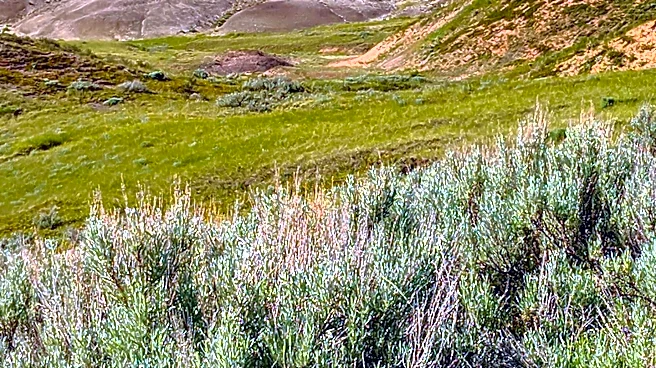
As the initial mining boom waned, Montana's economy began to diversify. The fertile plains and valleys of the state offered ideal conditions for agriculture and ranching, which became increasingly important economic drivers. The Homestead Acts of the 1860s encouraged settlement and land cultivation, leading to the establishment of farms and ranches across the state.
Cattle ranching, in particular, became a significant industry, with Montana's vast open ranges providing ample grazing land for livestock. The state's agricultural output expanded to include wheat, barley, and other crops, contributing to Montana's economic stability and growth. The development of irrigation projects further enhanced agricultural productivity, allowing farmers to cultivate previously arid lands.
Modern Economic Landscape
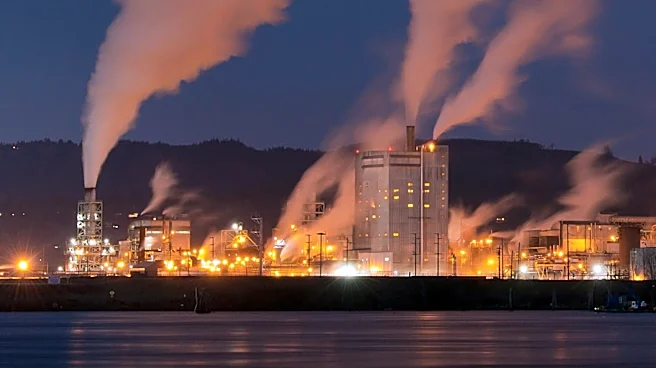
Today, Montana's economy is characterized by a diverse mix of industries, including agriculture, energy, tourism, and technology. While agriculture remains a vital component of the state's economy, other sectors have emerged as significant contributors to economic growth. The energy industry, with its focus on oil, gas, and renewable resources, plays a crucial role in Montana's economic landscape.
Tourism has also become a major economic driver, with millions of visitors flocking to Montana each year to experience its natural beauty and outdoor recreational opportunities. The state's national parks, such as Glacier and Yellowstone, attract tourists from around the world, supporting local businesses and communities.
Montana's economic evolution reflects its ability to adapt to changing circumstances and capitalize on its natural resources. From the gold rush to modern industries, Montana's economy continues to grow and diversify, ensuring a prosperous future for its residents.