





Cloaks have been a staple in human attire for centuries, serving various purposes from protection against the elements to symbols of status and power. This article delves into the historical journey of cloaks, examining how they have evolved in design and function across different cultures and eras.
Ancient Origins and Early Uses
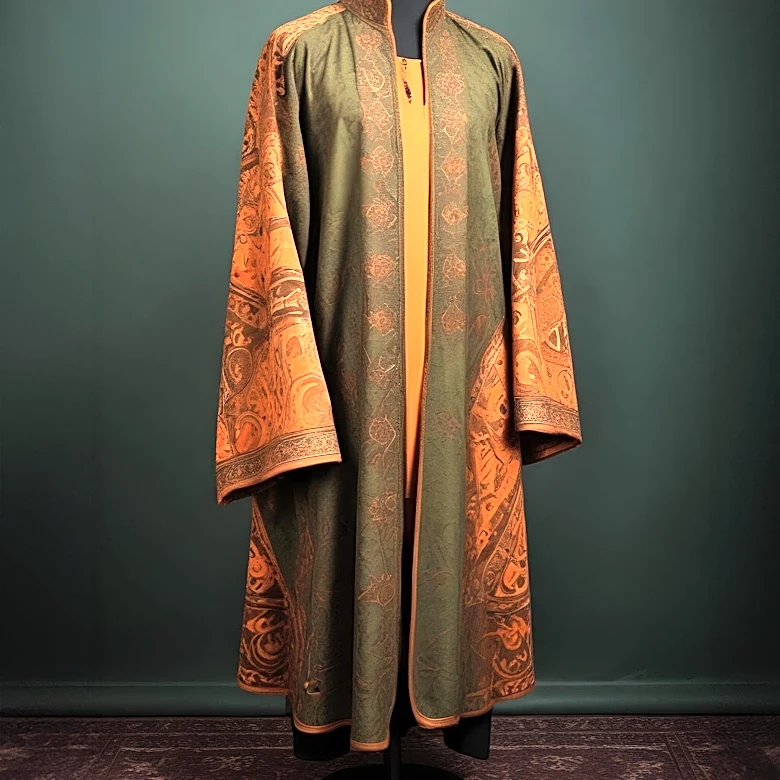
Cloaks have been worn by people in many different societies, often serving the same purpose as an overcoat to protect the wearer from the weather. These
garments generally fasten at the neck or over the shoulder and vary in length from the hip to the ankle, with mid-calf being the normal length. The design of cloaks has changed over time to match fashion and available textiles, reflecting the cultural and technological advancements of each era.
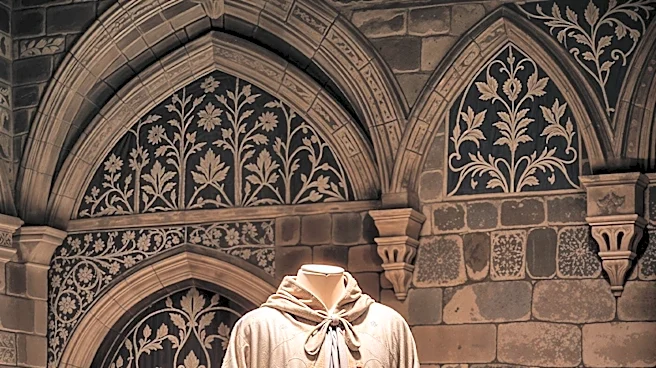
In ancient times, cloaks were not only practical but also held symbolic significance. For instance, Christian clerics may wear a cappa or a cope—forms of cloaks—as liturgical vestments or as part of a religious habit. This highlights the cloak's role in religious and ceremonial contexts, where it often signifies authority and reverence.
Cloaks in Literature and Arts
Cloaks have also found their place in literature and the arts, often symbolizing mystery and intrigue. The term "cloak" was even the title of a 1942 operatic comedy, showcasing its cultural penetration. In fiction, cloaks are frequently associated with characters who possess secretive or magical qualities, such as the cloak of invisibility in various mythologies and stories.
The metaphorical use of cloaks extends to expressions like "cloak and dagger," which refers to espionage and secretive crimes. This phrase suggests murder from hidden sources, emphasizing the cloak's association with concealment and stealth.
Modern Fashion and Symbolism
Today, cloaks continue to be a part of fashion, often seen in formal attire. Opera cloaks, for example, are made of quality materials such as wool, cashmere, velvet, and satin. These cloaks are used to protect the fine fabrics of evening wear from the elements, especially where a coat would crush or hide the garment.
Ladies may wear a long cloak, usually called a cape, or a full-length cloak, while gentlemen wear an ankle-length or full-length cloak. Formal cloaks often have expensive, colored linings and trimmings such as silk, satin, velvet, and fur, reflecting their status as luxury items.
Cloaks have thus transitioned from ancient garments to modern fashion statements, retaining their historical significance while adapting to contemporary styles and uses.