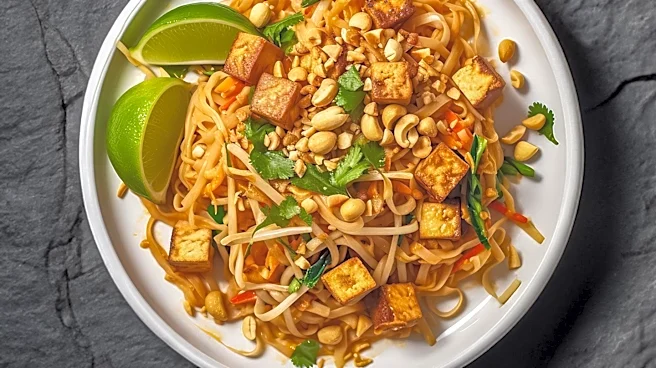









Pad Thai, a beloved dish worldwide, has a rich history that intertwines with Thailand's national identity. This stir-fried noodle dish, known for its unique blend of flavors, was not always a staple of Thai cuisine. Its journey from a wartime necessity to a symbol of Thai culture is a fascinating tale of adaptation and national pride.
Origins and Early Development
Pad Thai's origins can be traced back to the mid-20th century, a period marked by significant change in Thailand. Although
stir-fried rice noodles were introduced to Thailand from China centuries ago, the dish as we know it today was invented in the 1930s. During this time, Thailand was focused on nation-building, and Pad Thai was created as a way to promote nationalism. The dish was initially called kuai tiao pad thai, a name that reflects its Chinese influences, but it was later shortened to simply Pad Thai.
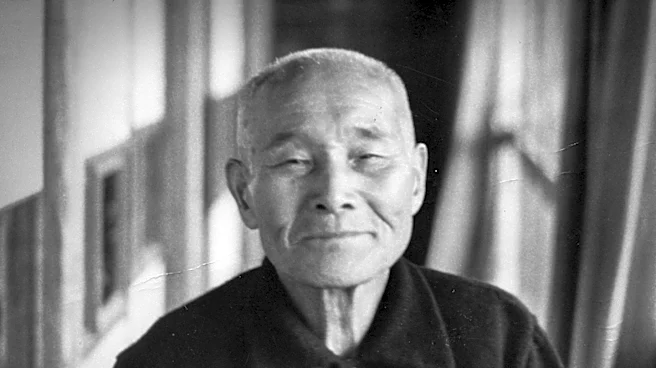
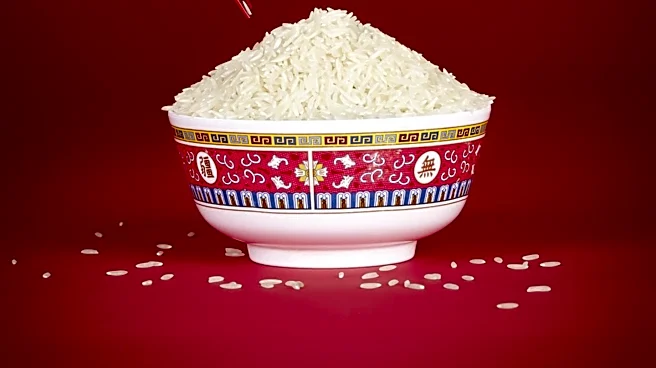
The commonly held explanation for Pad Thai's creation is linked to the economic conditions during World War II. Thailand faced a rice shortage due to the war and floods, prompting the government to encourage the consumption of noodles instead of rice. Under the leadership of Prime Minister Plaek Phibunsongkhram, the Thai government promoted rice noodles, which helped establish the modern identity of Thailand. This initiative led to the creation of a new noodle dish called sen chan pad thai, named after Chanthaburi Province, which eventually evolved into the national dish we know today.
Cultural Significance and National Identity
Pad Thai's development was not just about creating a new dish; it was also about fostering a sense of national identity. The dish was part of a broader effort by the Thai government to unify the country and promote Thai culture. By encouraging the consumption of Pad Thai, the government aimed to reduce reliance on imported goods and promote local ingredients.
The dish's name itself, Pad Thai, reflects this nationalistic intent. According to some historians, the name suggests an origin that isn't entirely Thai, indicating the influence of Chinese immigrants in its creation. However, the dish was adapted to suit Thai tastes, incorporating the flavors of hot, sour, sweet, and salty that are characteristic of Thai cuisine.
Global Influence and Recognition
In recent years, Pad Thai has gained international recognition, becoming one of Thailand's most famous culinary exports. The Thai government has used Pad Thai as a form of "soft power," promoting it as part of the country's cultural heritage. This effort included the creation of the Global Thai Restaurant Company, Ltd., which aimed to establish thousands of Thai restaurants worldwide.
Pad Thai's global popularity is a testament to its unique blend of flavors and its ability to adapt to different tastes. It has been listed among the world's most delicious foods, further cementing its status as a beloved dish. Today, Pad Thai is not only a symbol of Thai culture but also a representation of the country's ability to adapt and thrive in a changing world.