







The Philadelphia campaign of 1777-1778 was a crucial series of events in the American Revolutionary War. It involved strategic battles and maneuvers that had far-reaching consequences for both the British and American forces. The campaign's outcome influenced the war's trajectory, affecting military strategies, international alliances, and the morale of both sides. This article examines the broader impact of the Philadelphia campaign on the Revolutionary War.
Strategic Consequences for the British
The British aimed to capture Philadelphia, the revolutionary capital, to deliver a decisive blow to the American cause. General William Howe's decision to focus on Philadelphia instead of supporting General John Burgoyne's campaign in the north had significant consequences. While Howe succeeded in capturing Philadelphia, his failure to assist Burgoyne led to the British defeat at Saratoga. This defeat was pivotal, as it convinced France to enter the war on the side of the Americans.
The British occupation of Philadelphia did not achieve the intended strategic advantage. The Continental Congress had already fled, and the capture of the city did not demoralize the American forces as expected. Instead, the British found themselves stretched thin, with logistical challenges in maintaining their hold on Philadelphia. The campaign highlighted the limitations of British strategy, as they struggled to control the vast American territory and maintain supply lines.
The American Response and Resilience
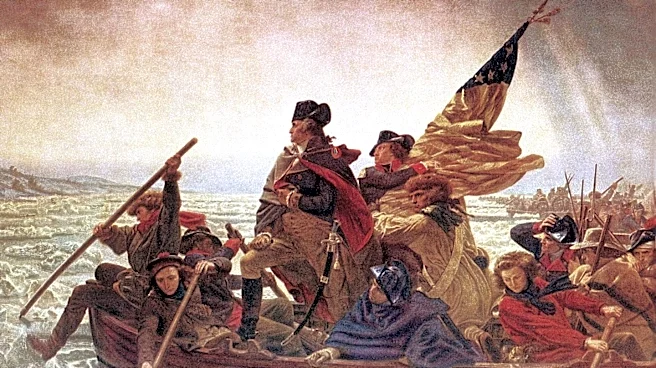
For the American forces, the Philadelphia campaign was a test of resilience and adaptability. Despite setbacks at the Battles of Brandywine and Germantown, General George Washington's leadership kept the Continental Army intact. The winter at Valley Forge was a period of hardship, but it also provided an opportunity for the army to regroup and train under the guidance of Baron von Steuben. This training improved the army's discipline and effectiveness, which was evident in subsequent engagements.
The campaign also demonstrated the Americans' ability to adapt to changing circumstances. Washington's decision to shadow the British withdrawal from Philadelphia and engage them at the Battle of Monmouth showcased the improved capabilities of the Continental Army. The battle ended in a draw, but it boosted American morale and proved that they could stand toe-to-toe with British forces.
International Implications and the Path to Victory
The Philadelphia campaign had significant international implications. The British defeat at Saratoga, partly due to Howe's focus on Philadelphia, was instrumental in securing French support for the American cause. France's entry into the war transformed it into a global conflict, stretching British resources and opening new fronts in Europe and the Caribbean.
The campaign also influenced British strategy, leading to a shift in focus towards the southern colonies. The British hoped to rally Loyalist support in the south, but this strategy ultimately failed, culminating in the American victory at Yorktown in 1781. The Philadelphia campaign, therefore, played a crucial role in shaping the war's outcome, as it set the stage for the eventual American victory and independence.
In conclusion, the Philadelphia campaign was a turning point in the American Revolutionary War. It exposed the limitations of British strategy, demonstrated the resilience of the American forces, and had significant international repercussions. The campaign's impact extended beyond the immediate battles, influencing the broader course of the war and contributing to the eventual American victory.