




American Graffiti, directed by George Lucas, is a film that captures the essence of teenage life in 1962 Modesto, California. Released in 1973, the film was a critical and commercial success, but its journey from concept to screen was not without challenges. This article delves into the making of American Graffiti, exploring the creative decisions and production hurdles that shaped the film.
George Lucas's Vision
George Lucas, known for his later work on Star Wars, co-wrote
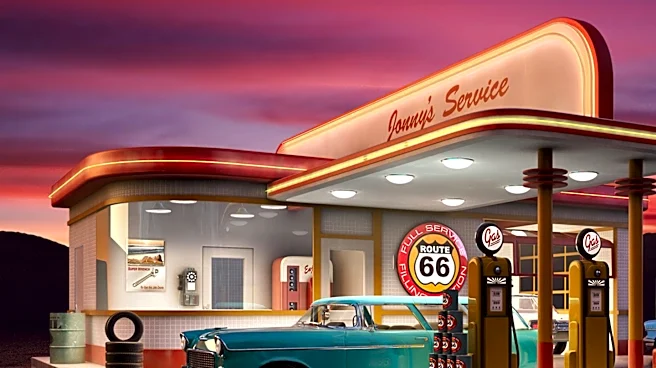
and directed American Graffiti. The film was inspired by Lucas's own experiences growing up in Modesto, California. He wanted to create a film that depicted the carefree spirit of youth and the culture of cruising and rock 'n' roll that defined the early 1960s.
Lucas collaborated with writers Willard Huyck and Gloria Katz to develop the screenplay. The film's episodic structure, featuring a series of vignettes, allowed Lucas to explore the lives of multiple characters over the course of a single night. This narrative style contributed to the film's unique charm and authenticity.
Production Challenges
Despite its eventual success, American Graffiti faced several production challenges. The film was produced on a modest budget of $777,000, which required the team to be resourceful in their approach. Filming took place in Petaluma, California, where the production team transformed the town into a 1962 setting.
Casting was another crucial aspect of the film's production. The ensemble cast included future stars such as Richard Dreyfuss, Ron Howard, and Harrison Ford. Ford, who played the role of Bob Falfa, was initially reluctant to cut his hair for the role. Instead, he suggested wearing a Stetson hat to conceal his hairstyle, a decision that added to his character's distinctive look.
A Surprising Success
American Graffiti premiered at the Locarno Film Festival in Switzerland on August 2, 1973, before its U.S. release on August 11. The film was met with critical acclaim and went on to become one of the most profitable films of its time, grossing over $200 million worldwide.
The film's success was a testament to Lucas's vision and the dedication of the cast and crew. It also demonstrated the commercial potential of nostalgia-driven storytelling, paving the way for future films and television shows that explored similar themes.
In conclusion, the making of American Graffiti was a journey marked by creative vision and resourcefulness. Despite its modest budget and production challenges, the film became a cultural phenomenon, leaving a lasting impact on American cinema.