






Fly-by-wire (FBW) systems do more than just replace mechanical controls with electronic ones; they fundamentally transform an aircraft's safety profile and operational performance. By interposing sophisticated computer systems between the pilot and the control surfaces, fly-by-wire introduces layers of intelligence and automation that were previously impossible. This technology allows for automatic stability, robust redundancy measures, and crucial
flight envelope protection, all contributing to a safer and more efficient flying experience. The shift represents a move from direct mechanical control to a system where computers actively manage and optimize flight parameters.
Automatic Stability and Control-Configured Vehicles
One of the most significant performance enhancements offered by fly-by-wire is automatic stability. Traditional aircraft designs often prioritize inherent aerodynamic stability, which can limit maneuverability. Fly-by-wire systems, however, allow aircraft computers to perform stabilization tasks without constant pilot input. This is achieved through an array of sensors, such as gyroscopes and accelerometers, which continuously monitor the aircraft's rotation on its pitch, roll, and yaw axes. Any deviation from a desired flight path triggers signals to the flight control computer, which can then automatically command control actuators to stabilize the aircraft.
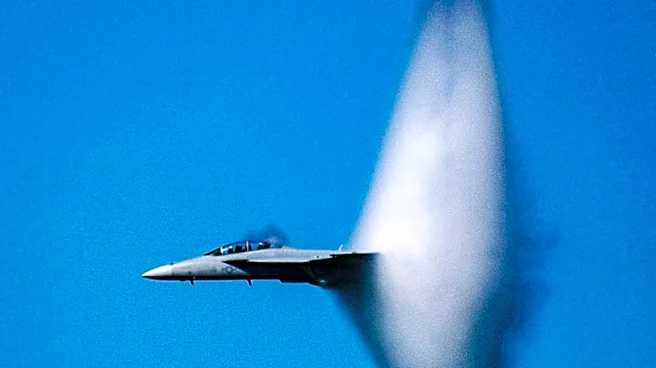
This capability is particularly revolutionary for high-performance aircraft, often termed Control-Configured Vehicles (CCVs). These aircraft may be deliberately designed with low or even negative natural stability in certain flight regimes to achieve extreme maneuverability. Without the rapid, precise, and continuous corrections provided by fly-by-wire controls, such aircraft would be virtually impossible for a human pilot to fly. The electronic system effectively stabilizes the aircraft's inherent lack of natural stability, allowing designers to prioritize performance characteristics that would otherwise be unachievable. This dynamic control not only enhances performance but also reduces pilot workload, as the system constantly manages minor deviations.
Redundancy and Pre-Flight Safety Checks
While fly-by-wire systems offer immense advantages, the reliance on electronic components introduces new safety considerations. A complete failure of all flight control computers would render an aircraft uncontrollable, a stark contrast to the gradual degradation often seen in mechanical or hydraulic systems. To counter this, fly-by-wire systems are designed with extensive redundancy. Most incorporate multiple independent computers, often in triplex (three) or quadruplex (four) configurations, to prevent loss of signals even if one or two channels fail. This multi-channel approach ensures that critical control commands can still be processed and executed.
Beyond multiple computers, many fly-by-wire systems also integrate mechanical or hydraulic backup systems, or a combination of both. For instance, some aircraft, like the Panavia Tornado, retain a very basic hydro-mechanical backup system that provides limited flight control capability, specifically for pitch and roll axis movements, if electrical power is lost. To further enhance safety, pre-flight checks of fly-by-wire systems are often automated using built-in test equipment (BITE). This allows for a series of control movement steps to be performed automatically, significantly reducing the workload for pilots or ground crew and speeding up essential flight-checks, ensuring the system is fully operational before takeoff.
Flight Envelope Protection and Integrated Systems
Modern fly-by-wire systems, particularly those found in Airbus aircraft, incorporate a critical safety feature known as flight envelope protection. This system prevents the aircraft from entering dangerous situations such as low-speed stalls or being overstressed by excessive maneuvers. The flight control computers continuously monitor parameters like airspeed, angle of attack, and G-forces, and if the aircraft approaches its operational limits, the system will intervene. For example, in a low-speed stall scenario, the flight control system can automatically command the engines to increase thrust without pilot intervention, pushing the aircraft out of danger.
Furthermore, the integration of fly-by-wire with other advanced systems, such as Full Authority Digital Engine Control (FADEC), significantly boosts both safety and economy. FADEC allows for seamless coordination between flight controls and engine thrust, ensuring maximum performance is extracted without risking engine misoperation or aircraft damage. In economy cruise modes, the integrated system precisely adjusts throttles and manages fuel distribution, even transferring fuel between tanks to optimize the aircraft's center of gravity. This precise fuel management reduces the need for drag-inducing aerodynamic trims, contributing to greater fuel efficiency and overall operational safety.