







Proofing is a crucial step in the baking process that allows dough to rise and develop flavor before baking. This stage involves the fermentation of dough by yeast, which produces gases that leaven the dough. Understanding the nuances of proofing can significantly impact the quality of the final baked product, making it an essential skill for both amateur and professional bakers.
The Role of Yeast in Proofing
Yeast plays a vital role in the proofing process by fermenting the dough
and producing carbon dioxide. This gas is what causes the dough to rise, creating the light and airy texture that is characteristic of well-baked bread. During proofing, yeast consumes sugars present in the dough, which are broken down by enzymes into simpler sugars. This process not only contributes to the dough's rise but also enhances its flavor.
The temperature and humidity levels during proofing are critical. Yeast activity increases with warmth, which is why proofing often occurs in a warm environment. However, too much heat can kill the yeast, while too little can slow down the fermentation process. Controlled humidity helps prevent the dough from drying out, ensuring a consistent rise.
Techniques and Equipment for Proofing
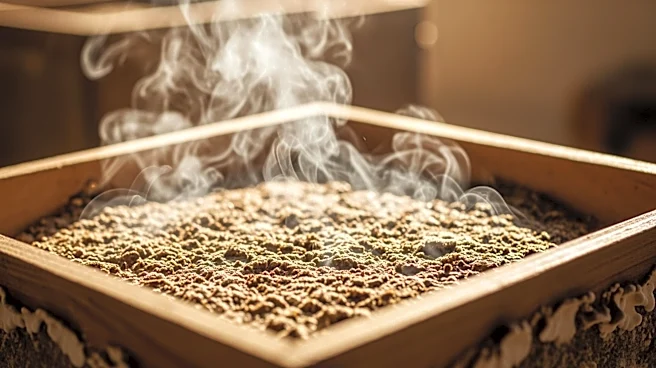
There are various methods and tools used to create the ideal conditions for proofing. Commercial bakers often use proofing boxes or cabinets that maintain precise temperature and humidity levels. These devices ensure consistent results and are particularly useful in large-scale baking operations.
Home bakers, on the other hand, may use more improvised methods. A common technique is to place the dough in an oven with a bowl of hot water, creating a warm and humid environment. Some bakers also use a countertop proofer, an electric appliance designed for home use. Regardless of the method, the goal is to provide a stable environment that encourages yeast activity.
The Impact of Proofing on Bread Quality
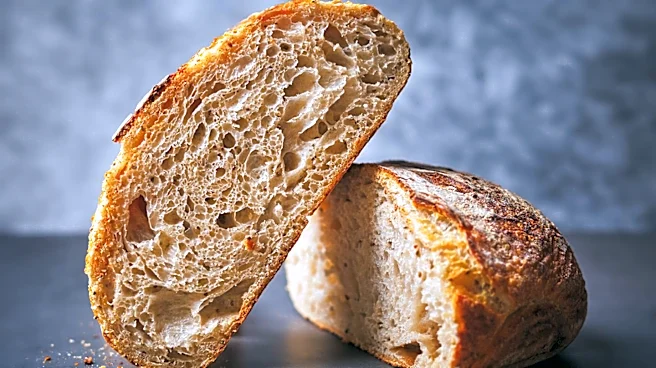
Proper proofing is essential for achieving the desired texture and flavor in bread. Overproofing can lead to a dough that collapses, resulting in a dense and flat loaf. Underproofing, on the other hand, can produce a bread that is too dense and lacks the characteristic open crumb structure.
The poke test is a simple way to determine if dough is properly proofed. By gently pressing a finger into the dough, bakers can assess its readiness. If the indentation springs back slowly, the dough is likely ready for baking. If it springs back quickly, it may need more time, while a dough that doesn't spring back at all may be overproofed.
In conclusion, proofing is a delicate balance of time, temperature, and humidity. Mastering this step can elevate the quality of baked goods, making it a fundamental aspect of the baking process.