






The Torrijos-Carter Treaties marked a pivotal moment in the history of the Panama Canal, fundamentally altering the control and operation of this crucial waterway. Signed on September 7, 1977, by U.S. President Jimmy Carter and Panamanian leader General Omar Torrijos, these treaties set the stage for Panama to gain full control of the canal by the end of the 20th century. This article delves into the historical context, the treaties' provisions, and their
lasting impact on Panama and international maritime operations.
Historical Context and Signing
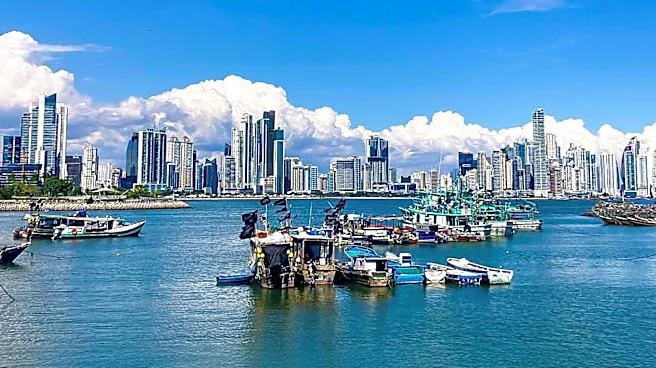
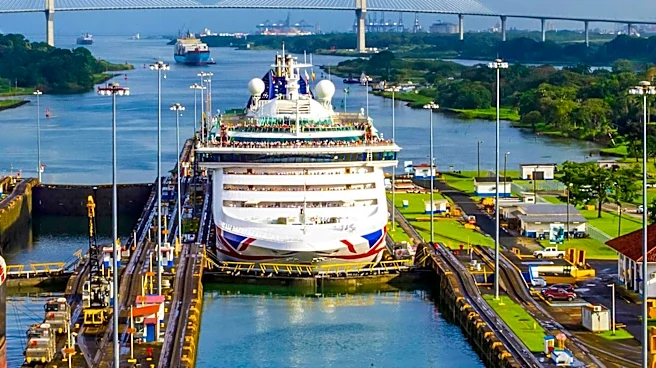
The Panama Canal, a vital maritime route connecting the Atlantic and Pacific Oceans, had been under U.S. control since the early 20th century. The original Hay-Bunau-Varilla Treaty of 1903 granted the United States rights to build and administer the canal, which led to significant tensions between the U.S. and Panama over issues of sovereignty and control. By the 1970s, the political climate had shifted, and there was growing pressure to address these longstanding grievances.
In response to these pressures, negotiations began in the early 1970s, culminating in the signing of the Torrijos-Carter Treaties in 1977. The signing ceremony, held in Washington, D.C., was attended by representatives from 26 nations, highlighting the international significance of the agreements. The treaties were named after the two signatories, symbolizing a new era of cooperation between the United States and Panama.
Key Provisions of the Treaties
The Torrijos-Carter Treaties consisted of two main agreements: The Panama Canal Treaty and The Treaty Concerning the Permanent Neutrality and Operation of the Panama Canal, commonly known as the Neutrality Treaty. The Panama Canal Treaty outlined the gradual transfer of control over the canal from the United States to Panama, with full control to be assumed by Panama on December 31, 1999. This treaty also established the Panama Canal Commission, a binational body responsible for overseeing the canal's operations during the transition period.
The Neutrality Treaty ensured that the canal would remain open and neutral to ships of all nations, even in times of war. It granted the United States the right to defend the canal's neutrality, a provision that was a point of contention for some Panamanians who feared it could lead to future U.S. intervention.
Impact and Legacy
The implementation of the Torrijos-Carter Treaties had a profound impact on Panama and the international community. The treaties ended nearly a century of U.S. control over the canal, restoring Panamanian sovereignty and allowing the country to benefit economically from the canal's operations. The transfer of control was completed on schedule, with Panama assuming full responsibility for the canal on December 31, 1999.
The treaties also set a precedent for international cooperation and negotiation, demonstrating that complex geopolitical issues could be resolved through diplomacy. Today, the Panama Canal remains a vital artery for global trade, and its successful operation under Panamanian control is a testament to the enduring legacy of the Torrijos-Carter Treaties.