





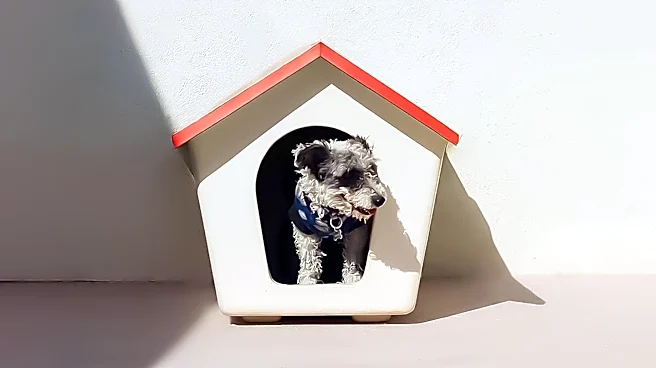

Crate training is a widely practiced method in pet training that involves teaching an animal to tolerate confinement within a dog crate or cage. Proponents often suggest that dogs are naturally "den-dwelling" animals, and a crate can serve as a substitute den, offering a familiar and secure location for the pet. While the initial experience of confinement might cause stress, repeated exposure can lead to increased feelings of security, safety, and comfort
for most puppies. When implemented correctly, crate training can be a significant aid in housebreaking a dog efficiently. However, it's crucial to understand that long-term or excessive crate confinement can potentially lead to emotional and behavioral deterioration over time.
The Rationale Behind Crate Training
One of the primary arguments for crate training is the belief that dogs are den animals, and a crate mimics this natural den environment. While this idea is prevalent, scientific evidence directly supporting dogs as den-dwelling animals is limited. Historically, canid dams construct nests, often underground, for their pups. These nests serve as protection against predators and harsh weather, acting as a "home base" from which pups explore and play, rather than a sealed enclosure for many hours.Despite the debate over the "den-dwelling" concept, a dog can indeed learn to accept a crate as a place of comfort and safety through proper training. The Humane Society of the United States advocates for crate training as a way to establish a secure and comfortable space for a dog, though they also caution that it is not a universal solution for all animal behavior problems. Crate training can also be beneficial in reducing stress and anxiety for dogs that may require confinement in other situations, such as during veterinary visits, travel, recuperation from injuries, or when temporary confinement is necessary for their safety while owners are away for short periods.
Selecting the Right Crate and Training Techniques
Choosing an appropriately sized crate is essential for effective crate training. Larger crates often come with dividers, allowing the crate to adjust as the pet grows. The ideal crate size provides just enough room for the animal to stand up without hitting its head, lie down and stretch its paws comfortably, and turn around unimpeded. If a crate is too large, a dog might use one end for resting and the other for elimination, which defeats one of the main purposes of crate training: leveraging a dog's natural instinct to avoid soiling its sleeping area. This instinct is key to using a crate as a house-training aid, as a dog in a sufficiently small crate will try to "hold it" as long as possible.When placing a crate in the home, it should be in a comfortable location, away from drafts, direct sunlight that could cause overheating, or heat sources like radiators. Crates for home use can be larger than those used for travel. For international air travel, crates must adhere to specific regulations stipulated by IATA. An oversized cage during air travel can be problematic as it doesn't allow the pet to brace itself easily against the sides during turbulence. Conversely, crates that are too small can pose health risks by restricting airflow, which is particularly concerning for brachycephalic (short-headed) breeds due to their limited ability to cool themselves through panting and a higher incidence of death during transport.
Implementing Effective Crate Training
When embarking on crate training, it is crucial to follow a training approach recommended by a reputable veterinarian, trainer, breeder, or a trusted training guide. Crate training is frequently employed with new puppies as a house-training method because puppies instinctively avoid soiling their sleeping area. However, young puppies have limited bladder control, typically about one hour for every month of age, meaning owners must still take them outside frequently.To foster a positive association with the crate, it should be made inviting. This can be achieved by placing familiar toys or a pet bed inside, leaving items with the owner's scent, and rewarding the dog for entering and staying in the crate. Incorporating the crate into play and feeding routines can also help. The process should gradually progress to the dog sleeping in the crate overnight. It's important for pet owners to exhibit calm and relaxed behavior around the crate, as pets can attribute emotional responses like raised voices or nervous behaviors to the crate itself. Creating negative associations, such as locking a dog in the crate and letting it whine or bark, should be avoided, as this can lead to distress and a negative perception of the crate. The goal is for the crate to become a safe haven that truly belongs to the dog, providing comfort and security for years to come.
Potential Adverse Effects and Considerations
While crate training offers many benefits, it's important to acknowledge potential adverse effects if not implemented properly. Without adequate conditioning, dogs may vocalize their distress and attempt to escape the crate. Crating inherently suppresses a dog's natural behaviors and restricts its freedom of movement, functioning as a negative punishment (removal of reward) within operant conditioning principles. Dogs that do not respond well to negative punishment may find crating highly stressful.Long-term or excessive confinement in a crate can lead to emotional and behavioral deterioration over time. If crating significantly reduces a dog's exposure to diverse environmental and social situations, it can potentially make them more reactive (fearful or aggressive) or intolerant of novel situations. Furthermore, crating may exacerbate the distress and emotional reactivity associated with separation anxiety. Behavioral problems that initially prompt owners to consider crate training might actually worsen due to the negative impacts of crating.
Interestingly, a dog might eventually form a strong attachment to its crate, experiencing comfort and safety after an initial period of distress. One dog behaviorist has even drawn a comparison between this behavioral effect and Stockholm syndrome. Dogs trained to sleep in a crate, when later allowed to sleep in a bedroom, might display signs consistent with separation distress, suggesting a strong bond with the crate, potentially even more so than with the owner. This intense bond with the crate could interfere with the human-animal bond and worsen bond-related behavioral issues like separation distress and owner-directed aggression. Steven Lindsay, in his