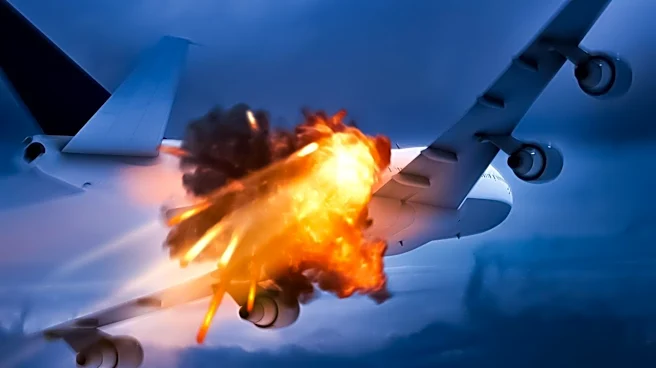











Air India Flight 182 was a passenger plane that met a tragic fate on June 23, 1985, when it exploded mid-air due to a bomb. This catastrophic event resulted in the loss of all 329 people on board, marking it as the deadliest act of air terrorism before the events of September 11, 2001. The flight was en route from Montreal, Canada, to New Delhi, India, and the bombing is considered the largest mass murder in modern Canadian history.
The Fateful Flight
Air India Flight
182 was a Boeing 747-237B, registered as VT-EFO, and was operated by Air India. The flight originated from Toronto, Canada, and was scheduled to make stops in Montreal, London, and New Delhi before reaching its final destination in Bombay, India. On that fateful day, the aircraft was flying at an altitude of 31,000 feet over the Atlantic Ocean, south of Ireland, when the bomb detonated.
The bomb was cleverly concealed in a Sanyo tuner, hidden inside a suitcase placed in the forward cargo hold of the aircraft. The explosion was so powerful that it caused the plane to disintegrate mid-air, leaving no survivors. The passengers included 307 individuals, along with 22 crew members, all of whom perished in the tragedy.
The Bombing and Its Aftermath
The bombing of Air India Flight 182 was part of a larger conspiracy that also involved an attempted bombing of another Air India flight, Flight 301, in Japan. On the same day, a suitcase checked in by one of the accused perpetrators exploded at Japan's Narita Airport, killing two baggage handlers and injuring four others. This suitcase was intended to be transferred to another airliner at Narita.
The investigation into the bombing revealed that the attack was linked to Sikh separatists, who were seeking to create an independent Sikh state known as Khalistan. The bombing was orchestrated by members of the Babbar Khalsa, a Sikh militant group. Despite extensive investigations, the case was fraught with challenges, and it took years before any convictions were made.
The Legacy of Flight 182
The bombing of Air India Flight 182 had a profound impact on aviation security and counter-terrorism measures worldwide. It highlighted the vulnerabilities in airport security and the need for stringent checks on baggage and passengers. The tragedy also brought to light the complexities of international terrorism and the challenges faced by law enforcement agencies in preventing such attacks.
In Canada, the bombing is remembered as a national tragedy, and it led to significant changes in the country's approach to handling terrorism and security threats. Memorials have been erected in honor of the victims, and the event is commemorated annually to remember those who lost their lives.
The story of Air India Flight 182 serves as a somber reminder of the devastating impact of terrorism and the importance of vigilance in ensuring the safety of air travel. It remains a pivotal moment in aviation history, shaping policies and practices that continue to influence the industry today.