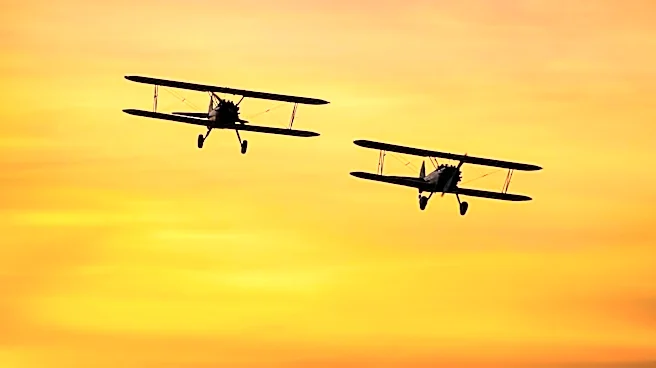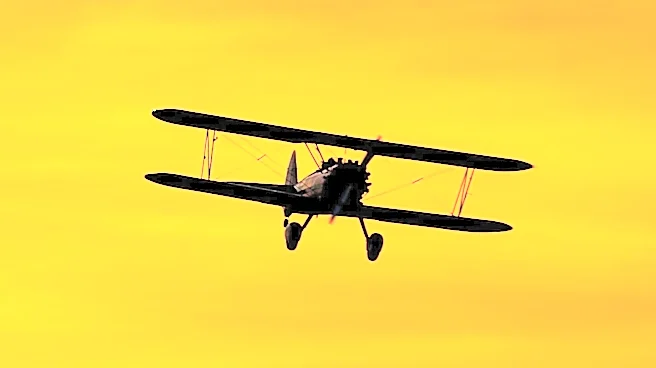










The Wright Flyer, constructed by the Wright brothers, is celebrated as the first powered aircraft to achieve controlled, heavier-than-air flight. This remarkable achievement in 1903 marked a turning point in aviation history, setting the stage for the development of modern aircraft. The Flyer not only demonstrated the feasibility of powered flight but also introduced key concepts that would shape the future of aviation.
Achieving the First Powered Flight
The Wright brothers' journey
to achieving powered flight was marked by innovation and perseverance. The Flyer was the culmination of years of experimentation and refinement. The Wrights' use of wing-warping for roll control and a canard for pitch control were innovative solutions to the challenges of flight. Although these features made the Flyer difficult to control, they represented significant advancements in the understanding of aerodynamics and flight mechanics.
The Flyer was powered by a homebuilt engine, and its design included efficient wings and propellers, which were the result of extensive wind tunnel testing. These elements allowed the Flyer to achieve the first controlled, powered flight, a milestone that captured the world's attention and established the Wright brothers as pioneers in aviation.
The Wrights' Continued Innovations
Following the success of the Wright Flyer, the Wright brothers continued to refine their designs. The Wright Flyer II and Flyer III incorporated improvements that enhanced stability and control. The Flyer III, in particular, demonstrated the potential for sustained flight, with Wilbur Wright completing a 39-minute, 24-mile nonstop circling flight in 1905.
These advancements were not only technical achievements but also laid the groundwork for the Wright brothers' patent on aerodynamic control, which they secured in 1906. This patent was crucial in establishing their legacy and influence in the field of aviation.
The Wright Flyer's Enduring Legacy
The Wright Flyer's impact on aviation extends beyond its initial flights. The principles of controlled flight developed by the Wright brothers became foundational to the design of future aircraft. Their emphasis on data-driven experimentation and incremental development set a standard for engineering practices in aviation.
While the Flyer itself was not directly replicated in later aircraft designs, its legacy is evident in the evolution of aviation technology. The Wright brothers' pioneering work continues to inspire innovation and exploration in the field of aviation, highlighting the enduring significance of their achievements in the history of flight.