







Rock climbing has undergone significant transformations over the years, largely due to advancements in equipment. From the early days of using simple ropes and knots to the modern era of specialized gear, the evolution of climbing equipment has played a crucial role in shaping the sport. This article delves into the history and development of rock climbing equipment, highlighting key innovations that have enhanced safety and performance.
Early Innovations
In the early
days of rock climbing, climbers relied on basic tools such as ropes and knots to secure themselves. The introduction of the climbing rope marked a significant milestone, providing climbers with a reliable means of protection. As the sport gained popularity, the need for more specialized equipment became apparent. This led to the development of harnesses, which replaced the practice of tying ropes around the waist, offering greater comfort and safety.
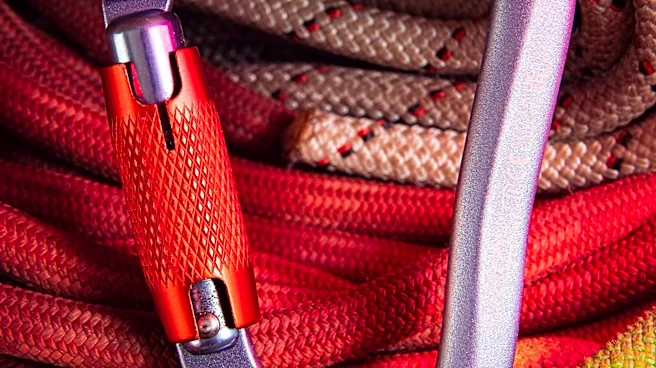
Carabiners, another essential piece of equipment, revolutionized climbing by replacing many traditional knots. These metal clips, with their spring-loaded gates, allowed climbers to securely attach themselves to ropes and anchors. The introduction of belay devices further enhanced safety by providing climbers with greater control over the rope, reducing the risk of falls.
Modern Advancements
The evolution of rock climbing equipment continued with the development of more advanced tools and materials. Modern climbing ropes, for instance, are made from durable nylon fibers and are designed to stretch, absorbing the energy of a fall. This innovation has significantly reduced the risk of injury, making climbing safer for enthusiasts of all levels.
The introduction of spring-loaded camming devices (SLCDs) provided climbers with a versatile and reliable means of protection. These devices, which can be placed in cracks and crevices, offer a secure anchor point, allowing climbers to ascend challenging routes with confidence. Additionally, the use of lightweight materials such as aluminum alloys has made equipment more portable, enabling climbers to tackle longer and more demanding climbs.
The Role of Certification
As climbing equipment became more sophisticated, the need for standardized safety measures became evident. Organizations such as the International Climbing and Mountaineering Federation (UIAA) and the European Committee for Standardization (CEN) have played a pivotal role in setting safety standards for climbing gear. These bodies ensure that equipment meets specific criteria for strength, durability, and reliability, providing climbers with peace of mind.
In North America, while there are fewer specific regulations, the UIAA and CEN standards are widely recognized and adhered to by manufacturers. This global approach to safety has contributed to the widespread adoption of certified equipment, further enhancing the safety and enjoyment of rock climbing.
The evolution of rock climbing equipment has been instrumental in transforming the sport, making it more accessible and safer for climbers worldwide. As technology continues to advance, the future of climbing equipment promises even greater innovations, pushing the boundaries of what is possible in this exhilarating sport.