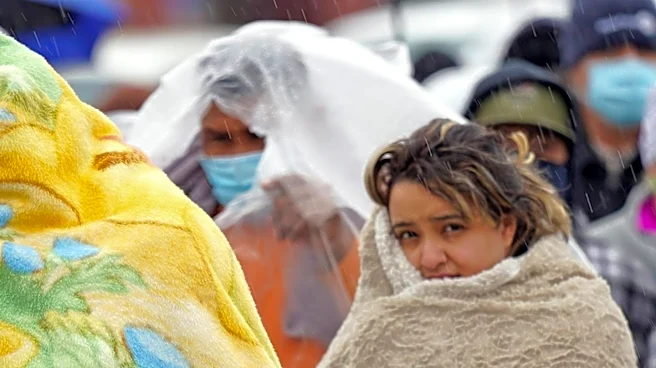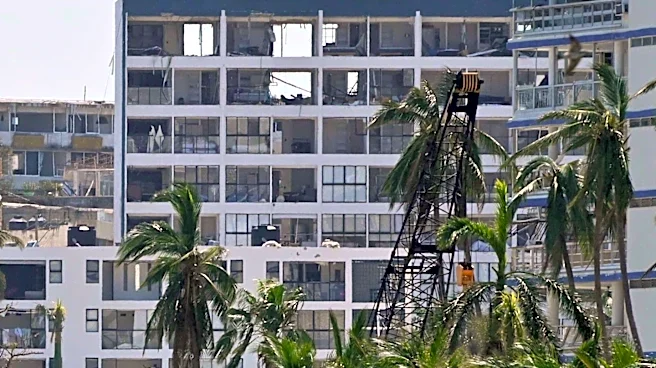





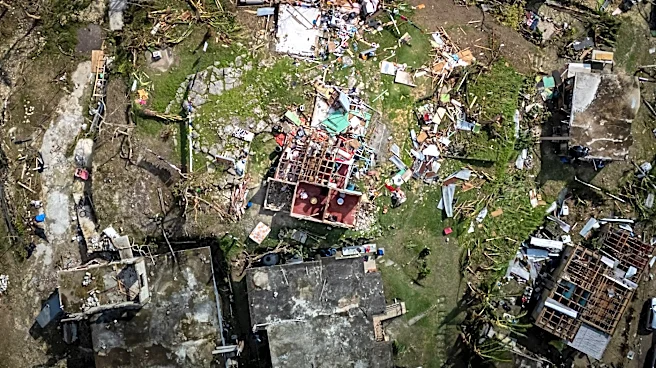
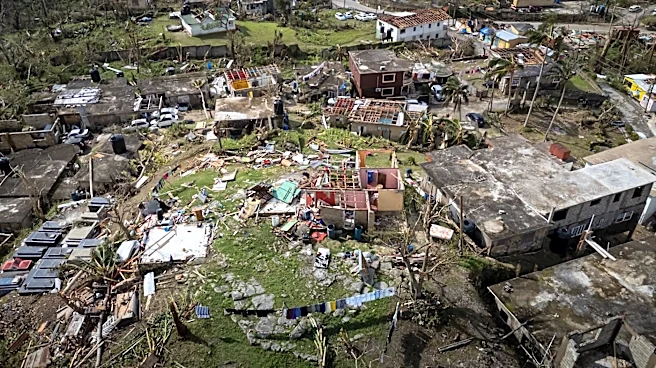
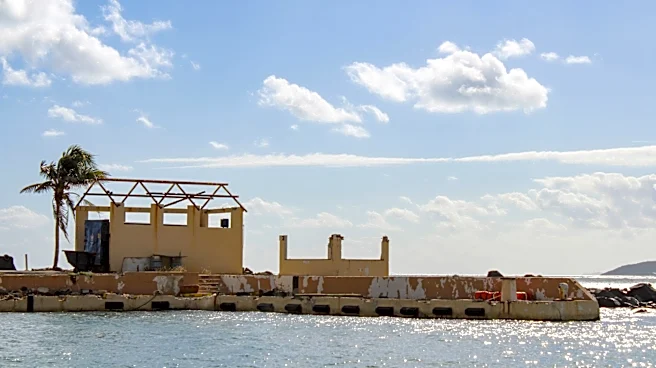
Hurricane Maria, a powerful Category 4 storm, made landfall in Puerto Rico on September 20, 2017, unleashing unprecedented destruction across the island. The hurricane's immense force, with winds well above 100 mph, heavy rains, and a significant storm surge, crippled essential services and left millions without basic necessities. The immediate aftermath revealed a humanitarian crisis of immense proportions, as the island's infrastructure, particularly
its power grid, was effectively destroyed, leading to widespread outages and a prolonged recovery effort that highlighted the vulnerability of modern systems to extreme weather events.
The Collapse of the Power Grid and Widespread Outages
The most immediate and far-reaching consequence of Hurricane Maria was the near-total destruction of Puerto Rico's power grid. Within days of the storm, 95% of the island was without electricity, a figure that only slightly improved to 89% two weeks later. A month after the hurricane, approximately 3 million people, or 88% of the island's population, still lacked power. This extensive blackout had cascading effects, impacting everything from water supply to communication networks and healthcare facilities.Even three months post-hurricane, 45% of Puerto Ricans, representing over 1.5 million people, remained without electricity. The centralized fossil-fuel-based power plants and grid infrastructure were expected to be out of commission for weeks to months, prompting discussions and initial projects for renewable energy solutions. Efforts included the shipment of hundreds of Tesla Powerwall battery systems for integration with solar PV systems and Sonnen solar microgrid projects planned for 15 emergency community centers. However, the scale of the damage meant that a complete replacement of fossil fuel infrastructure was unlikely, as solar and wind systems themselves proved vulnerable, with four of the five large solar farms damaged and many wind turbines suffering blade damage.
Critical Failures in Water and Communication Services
Beyond electricity, Hurricane Maria severely disrupted water and communication services across Puerto Rico. Less than half the population had tap water immediately after the storm, and two weeks later, 44% still lacked water service. A month after the hurricane, 29% of the island, about 1 million people, still did not have tap water. This was compounded by the fact that about half of the island's sewage treatment plants were non-functional, posing significant public health risks. Even three months later, 14% of Puerto Rico remained without tap water.Communication networks also suffered a massive blow. Initially, 95% of the island had no cell phone service. This improved slightly to 58% without service two weeks later, and 40% a month after the hurricane. The lack of communication hindered relief efforts, as it made it difficult to coordinate aid distribution and assess needs. For instance, the lack of communication networks meant only 20% of truck drivers reported to work, exacerbating fuel and supply distribution problems. By three months post-storm, cell service was largely returning, with over 90% of service restored and 86% of cell towers functioning.
Damaged Roads, Isolated Communities, and Logistical Nightmares
The hurricane's impact on transportation infrastructure created immense logistical challenges for rescue and relief operations. Roads and bridges were heavily damaged, with only 392 miles of Puerto Rico's 5,073 miles of road open nearly a month after the storm. This left some towns isolated, making the delivery of essential supplies like food and water extremely difficult, often requiring helicopters as the only alternative.Debris-clogged roads further compounded these issues. The inability to move goods from ports into the interior was a major bottleneck. By September 28, the Port of San Juan had only been able to dispatch 4% of received deliveries, leaving little room for additional shipments. This logistical nightmare highlighted the fragility of supply chains in the face of such widespread destruction. Even fuel distribution was severely affected, with only 720 of 1,100 gas stations open by October 1, 2017, and fuel delivery becoming a top priority for military relief efforts.
Healthcare System Under Strain and Damaged Dams
The healthcare system in Puerto Rico also faced immense pressure. While most hospitals were open a month after the hurricane, many were operating on backup generators, providing only limited power. Non-profit organizations stepped in to supply generators for hospitals in some cities. The hospital ship USNS Comfort, dispatched to assist, initially faced challenges in patient referrals due to communication issues, leading to much of its capacity going unused despite overburdened island clinics. It eventually docked in San Juan to improve access, treating nearly 1,500 patients, performing surgeries, and even assisting with births.Adding to the crisis, the Guajataca Dam sustained structural damage, prompting the National Weather Service to issue a flash flood emergency on September 22. Tens of thousands of people, estimated at around 70,000, were ordered to evacuate the area due to the risk of dam failure. This incident underscored the multifaceted nature of the infrastructure damage and the immediate threats it posed to the population beyond the direct impact of the storm itself.