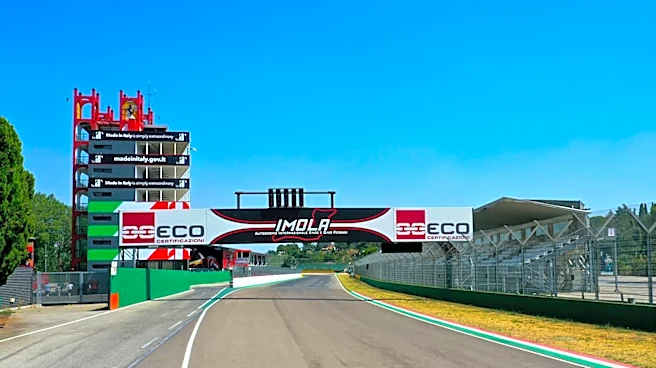



The Imola Circuit, officially known as Autodromo Enzo e Dino Ferrari, stands as a monument in motor racing history, inaugurated in 1953. Located in Imola, Italy, this 4.909 km track with 19 curves has been a pivotal venue for Formula One and other major motorsport events. Its journey from an early racing ground to a modern circuit reflects the dynamic evolution of motorsport itself, particularly in response to tragic events that reshaped safety protocols.
Early Days and Grand Prix Beginnings
The circuit, initially used for motorcycle racing, quickly gained prominence. It hosted the Italian Grand Prix in 1980, a significant event as Monza was undergoing refurbishment. This marked Imola's first foray into Formula One's premier calendar. The race was won by Nelson Piquet for Brabham-Ford, setting the stage for Imola's future as a Grand Prix venue.
Following the return of the Italian Grand Prix to Monza in 1981, the Imola circuit owners sought to retain a spot on the Formula One calendar. They successfully applied to host a new race, the San Marino Grand Prix, named after the nearby state. This unique arrangement allowed Italy to host two Formula One races, a testament to the circuit's growing importance and the passion for motorsport in the region. The San Marino Grand Prix ran from 1981 to 2006, establishing Imola as a regular fixture in the Formula One season.
Tragedies and Transformative Safety Changes
The 1994 San Marino Grand Prix at Imola is etched in motorsport history for its tragic events. The circuit witnessed the deaths of two drivers, Ayrton Senna and Roland Ratzenberger, during the race weekend. These fatalities sent shockwaves through the sporting world and served as a critical turning point for Formula One safety standards. The city of Imola has since dedicated multiple memorials and public spaces to honor Senna and Ratzenberger, acknowledging their profound impact on the sport.
Prior to these events, the circuit had already seen significant incidents. In 1987, Nelson Piquet suffered a huge crash at Tamburello, though he sustained only minor injuries and was declared unfit to race by FIA doctor Sid Watkins. In 1989, Gerhard Berger crashed heavily at Tamburello, his car catching fire. Berger survived, sustaining burns to his hands, and missed the subsequent Monaco Grand Prix. These incidents, culminating in the 1994 tragedies, underscored the urgent need for comprehensive safety reforms.
Renaming and Modern Era
In 1989, the circuit was renamed Autodromo Enzo e Dino Ferrari, honoring Enzo Ferrari, who had passed away the previous year, and his son Dino. This renaming solidified the circuit's deep connection to the Ferrari legacy and Italian motorsport heritage. The circuit continued to host the San Marino Grand Prix until 2006, maintaining its status as a challenging and respected track.
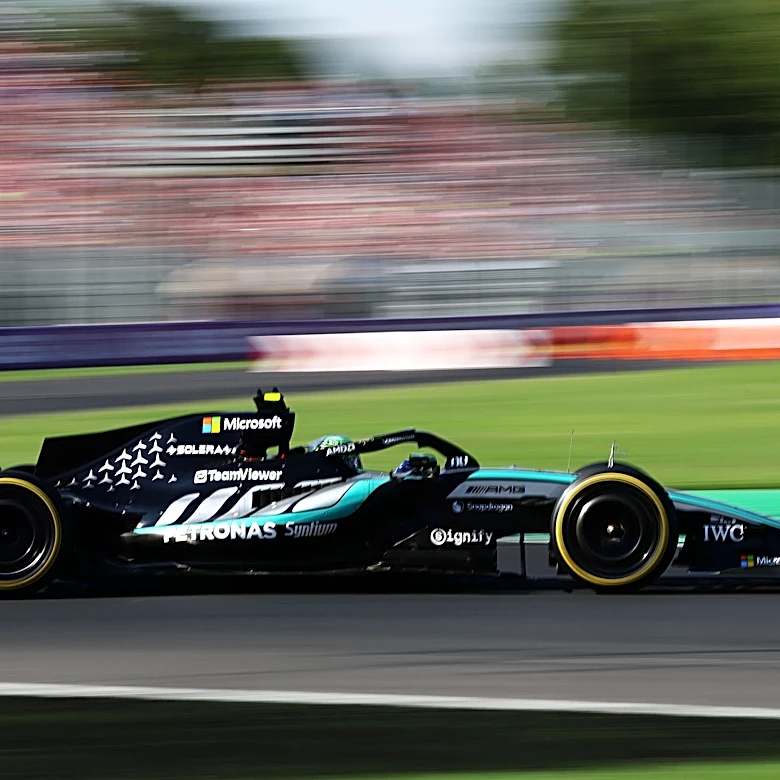
After a hiatus, the Imola Circuit made a return to the Formula One calendar in 2020, hosting the Emilia Romagna Grand Prix. This marked a new chapter for the historic venue, demonstrating its enduring appeal and its ability to adapt to modern racing requirements. The circuit's layout has undergone various modifications over the years, with different configurations used for Grand Prix and motorcycle racing, reflecting ongoing efforts to balance speed with safety. The current Grand Prix circuit, in use since 2008, continues to challenge drivers while incorporating contemporary safety measures, a direct legacy of the lessons learned from its past.
Memorable Moments and Rivalries
The Imola Circuit has been the stage for numerous memorable races and intense rivalries. The 1982 San Marino Grand Prix, boycotted by most FOCA teams, saw only 14 cars compete, with Ferrari securing a first and second place finish amidst a fierce battle between teammates Gilles Villeneuve and Didier Pironi. Villeneuve was enraged by Pironi's actions, believing Pironi had betrayed an agreement to hold positions, leading to Villeneuve's prophetic statement, "I'll never speak to Pironi again in my life." This rivalry tragically ended with Villeneuve's death two weeks later.
The 1989 race, restarted after Berger's crash, also fueled one of the most famous rivalries in sports history between McLaren teammates Alain Prost and Ayrton Senna. An agreement between them regarding the first corner was broken by Senna, leading to Prost's fury and a subsequent battle on track. Senna won the race, further intensifying their legendary rivalry. These events highlight the circuit's role in shaping the narratives and personal dramas that define Formula One history.