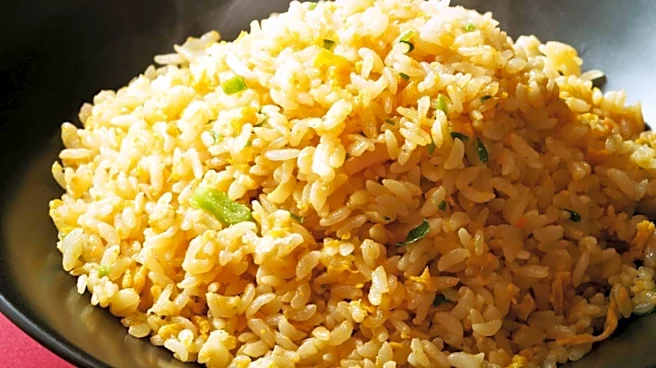







Fried rice is a dish that has transcended its origins to become a global favorite, with each region adding its unique touch. From China to Southeast Asia, fried rice has adapted to local tastes and ingredients, resulting in a rich tapestry of flavors. This article delves into the regional variations of fried rice across Asia.
Chinese Fried Rice
Chinese fried rice is the foundation from which many variations have sprung. In China, Yangzhou fried rice is a popular choice,
known for its generous portions of shrimp, scrambled eggs, and barbecued pork. Hokkien fried rice from Fujian province offers another take, often incorporating seafood and a rich sauce.
Sichuan fried rice stands out with its spicy and tangy flavor, thanks to the addition of doubanjiang chili sauce. These variations highlight the adaptability of fried rice to different regional ingredients and preferences within China.
Southeast Asian Variations
In Southeast Asia, fried rice has taken on new forms, each reflecting the local culinary traditions. Indonesian nasi goreng is a well-known variant, often made with sweet soy sauce, shallots, garlic, and shrimp paste. It is commonly served with egg, chicken, or prawns, showcasing the region's love for bold flavors.
Singaporean sambal fried rice incorporates sambal, a spicy chili condiment, adding a fiery kick to the dish. Thai khao phat is another popular version, often featuring fish sauce and lime juice for a distinctively Thai taste.
Other Asian Influences
Beyond Southeast Asia, fried rice has found a place in other Asian cuisines. Japanese chāhan, influenced by Chinese fried rice, is a staple in Japanese Chinese restaurants. It typically includes pork, egg, and green onions, seasoned with soy sauce.
In the Philippines, bagoong fried rice uses shrimp paste for a salty and savory flavor, often balanced with sour green mangoes. This variant is a testament to the Filipino love for bold and contrasting flavors.
Fried rice's ability to adapt and evolve with regional tastes is a testament to its versatility. Each variation offers a unique glimpse into the culinary traditions of its region, making fried rice a dish that connects cultures through shared flavors and creativity.