





Fort Wagner, also known as Battery Wagner, played a pivotal role in the Civil War due to its strategic location on Morris Island, South Carolina. The fort controlled the southern approaches to Charleston Harbor, making it a key target for Union forces aiming to capture Charleston, a major Confederate port. The battles fought at Fort Wagner, particularly the Second Battle of Fort Wagner, underscored its significance in the broader context of the war.
Fort Wagner's Defensive Position
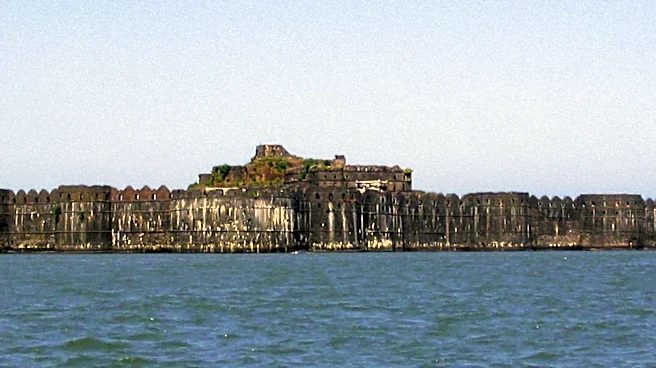
Fort Wagner was a formidable defensive structure, measuring 250 yards by 100 yards and spanning the area between the Atlantic Ocean and an impassable swamp. Its walls, composed of sand and earth, rose 30 feet above the beach, providing substantial protection against naval shelling. The fort's arsenal included fourteen cannons, with the largest being a 10-inch Columbiad capable of firing a 128-pound shell.
The fort's land face was protected by a water-filled trench, surrounded by buried land mines and sharpened palmetto stakes. These defenses made it a challenging target for Union forces, who had to navigate a narrow strip of beach to launch their assaults. The fort's strategic position and robust defenses made it a critical component of the Confederate defense of Charleston Harbor.
Union Assaults and Siege
The Union Army recognized the importance of capturing Fort Wagner to gain control of Charleston Harbor. The first assault on the fort, known as the First Battle of Fort Wagner, occurred on July 11, 1863, but was repulsed with heavy Union casualties. A week later, the Union launched a second assault, led by the 54th Massachusetts Infantry, in what became known as the Second Battle of Fort Wagner.
Despite the Union's failure to capture the fort in these assaults, they continued to besiege it. By August 25, Union entrenchments were close enough to attempt an assault on the Advanced Rifle Pits, and after enduring nearly 60 days of heavy shelling, the Confederates abandoned Fort Wagner on the night of September 6-7, 1863.
The Fall of Fort Wagner
The abandonment of Fort Wagner had significant strategic implications. With the loss of Fort Wagner and nearby Fort Gregg, Morris Island fell to Union forces. Although Charleston itself remained under Confederate control, its port was effectively closed, disrupting Confederate supply lines and commerce.
The fall of Fort Wagner demonstrated the effectiveness of sustained artillery bombardment and siege tactics in overcoming even the most robust defenses. It also highlighted the importance of controlling key geographic locations in the broader strategy of the Civil War, as the Union sought to isolate and weaken the Confederacy by cutting off its access to vital resources and trade routes.