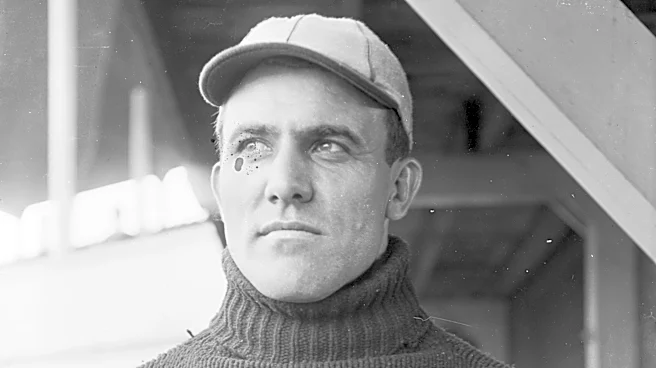









James J. Corbett, famously known as "Gentleman Jim," was more than just a World Heavyweight Champion; he was a cultural phenomenon who significantly influenced the public perception of boxing. In an era when prizefighting was often viewed with suspicion and was even illegal in 21 states, Corbett's charisma and showmanship helped elevate the sport. His ability to captivate audiences, both with his innovative boxing style and his personality outside
the ring, made him one of the first athletes to truly understand and leverage the power of public image. His career, though relatively short with only 20 bouts, left a lasting legacy on how athletes engage with their fans and the media.
The Athlete as Entertainer
Corbett was a pioneer in recognizing the importance of showmanship in sports. He was described as a "big-money fighter" and one of the first athletes whose public persona was as compelling as his athletic abilities. This was a novel concept at a time when athletes were primarily judged on their physical prowess alone. Corbett understood that engaging the public, both inside and outside the boxing arena, could significantly boost his profile and the sport's popularity. His nickname, "Gentleman Jim," reflected a more refined image than many of his contemporaries, aligning with his scientific approach to boxing.
His influence on popular culture was further amplified by technological advancements of the time. The film of his championship prizefight against Robert Fitzsimmons, despite being a loss for Corbett, was aired worldwide. This cinematic event was groundbreaking, not only for its length—being the longest film ever released at the time—but also for its impact. It immensely popularized boxing, notably among female audiences, a demographic not traditionally associated with the sport. This exposure helped to normalize and even glamorize prizefighting, challenging the prevailing moral objections of the era.
Boxing in a Shifting Social Landscape
Corbett's career unfolded during a period of significant social change, where prizefighting was still considered among the most infamous crimes against morality in many parts of the United States. His rise to prominence, therefore, was not just an athletic achievement but also a cultural one. By presenting a more "scientific" and less brutal form of boxing, and by cultivating a gentlemanly image, Corbett helped to legitimize the sport in the eyes of a broader public. He demonstrated that boxing could be a display of skill and strategy, rather than just a violent spectacle.
The public's fascination with Corbett was evident in the clamor for his fight against John L. Sullivan, the reigning champion who embodied the older, bare-knuckle tradition. This match was a cultural event, pitting two contrasting figures against each other. Corbett's victory, achieved through strategic jabs and evasive maneuvers, symbolized a shift in societal values, favoring intellect and technique over raw, untamed power. Even after losing his title to Fitzsimmons, Corbett remained a figure of public interest, with his efforts to secure a rematch and his subsequent fight against James J. Jeffries continuing to draw significant attention. His ability to remain relevant and admired, even through defeats, underscores his profound cultural impact and his role in shaping the modern perception of professional sports.