





Billy Joel's 1982 album, "The Nylon Curtain," stands as a landmark in music production, being one of the first albums to be digitally recorded, mixed, and mastered. This innovative approach to sound engineering was part of Joel's broader ambition to create what he called a "sonic masterpiece." Produced by Phil Ramone, the album showcases a meticulous attention to detail that set it apart from many of its contemporaries. Joel dedicated more time to crafting
the sound of "The Nylon Curtain" than any of his previous albums, a process he described as "exhausting" but ultimately rewarding, leading him to declare it the recording and material he is "most proud of."
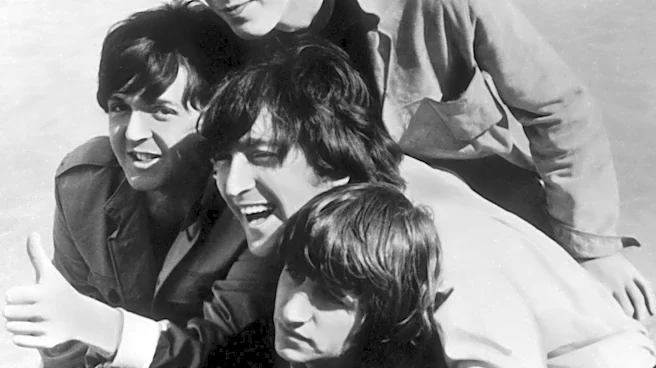
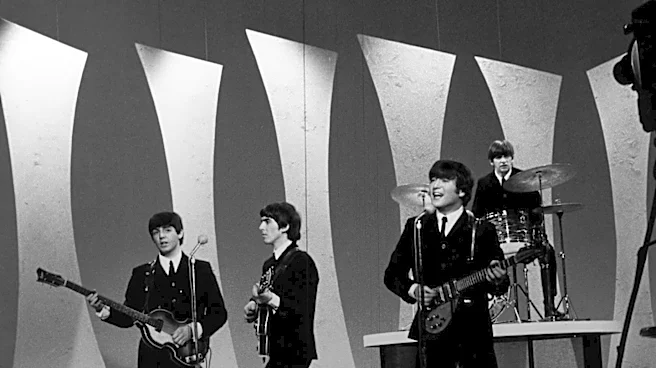
The album's musical landscape is rich and varied, drawing critical comparisons to the work of The Beatles and John Lennon. This influence is particularly evident in tracks like "Scandinavian Skies," which prominently features string parts reminiscent of Beatles songs such as "I Am The Walrus" and "Strawberry Fields Forever." The album's instrumentation also saw a shift, with saxophonist/multi-instrumentalist Richie Cannata departing before recording. This meant Joel, bassist Doug Stegmeyer, drummer Liberty DeVitto, and guitarists David Brown and Russell Javors largely recorded the album themselves, making it Joel's first album since "Streetlife Serenade" without a regular saxophonist, though Eddie Daniels contributed clarinet to the closing track.
The Genesis of Key Tracks: From Concept to Composition
The songwriting process for "The Nylon Curtain" was deliberate, with Joel noting that most songs were written in the sequence they appear on the album, suggesting a cohesive narrative arc. The album's production faced a minor setback when Joel was involved in a motorcycle accident, but this did not deter the overall vision.
"Allentown," the album's opening track, is a prime example of Joel's thematic depth. Despite its title, the song is actually about Bethlehem, Pennsylvania, and the economic struggles of its steel industry during the early 1980s recession. Joel had composed the melody for "Allentown" eight years before completing its lyrics, illustrating a long-term creative development. Another significant track, "Pressure," explores the anxieties of adult responsibility. This song was recorded with eight overdubbed synthesizer tracks and even a segment featuring four people playing the mandolin, highlighting the album's intricate layering and experimental sound design.
Exploring Relationships and Existential Questions
The album's B-side delves into various aspects of human relationships and existential themes. It opens with "She's Right On Time," an uplifting love song designed to contrast with the serious tone of the preceding "Goodnight Saigon." This track details the anticipation of a reunion between lovers, using the preparation of a Christmas tree as an analogy, reflecting its composition around Christmas time. Following this, "A Room Of Our Own" offers a thematic counterpoint, depicting a couple needing space from each other and highlighting their differences.
"Surprises," described by Joel as a "grand metaphysical statement," explores the idea that one should not be surprised by their inability to control life's events, though Joel acknowledged its openness to multiple interpretations. The first three songs on side B collectively trace a relationship's trajectory: "She's Right On Time" for reunion, "A Room Of Our Own" for decline, and "Surprises" for inevitable separation. The album's closing song, "Where's The Orchestra?," uses the metaphor of a man expecting a musical but finding a regular stage show to represent the realization that life is not always as grand as anticipated. Joel designed the studio recording to emulate a theater experience, with his vocals in the left speaker and the orchestral backing in the right, and cleverly reprises the "Allentown" melody to bring the album full circle, showcasing a sophisticated narrative and musical structure.