



The U.S. national anthem kneeling protests, initiated by Colin Kaepernick in 2016, quickly became a lightning rod for controversy, sparking diverse interpretations and intense debate across American society. What began as a silent protest against racial inequality and police brutality evolved into a complex discussion involving patriotism, freedom of speech, and the role of athletes in social activism. The varied reactions from politicians, sports
leagues, and the public underscore the deep divisions and differing values at play.
Conflicting Views on Patriotism and Respect
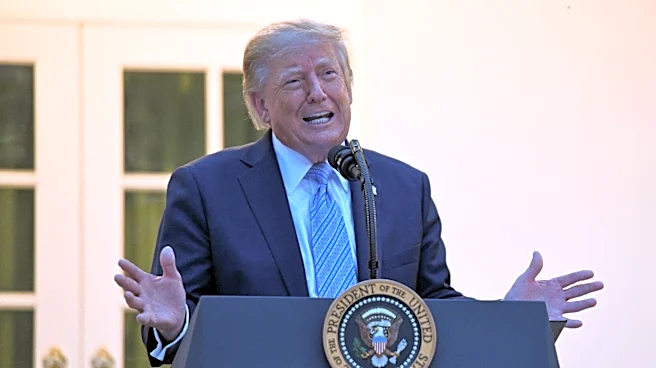
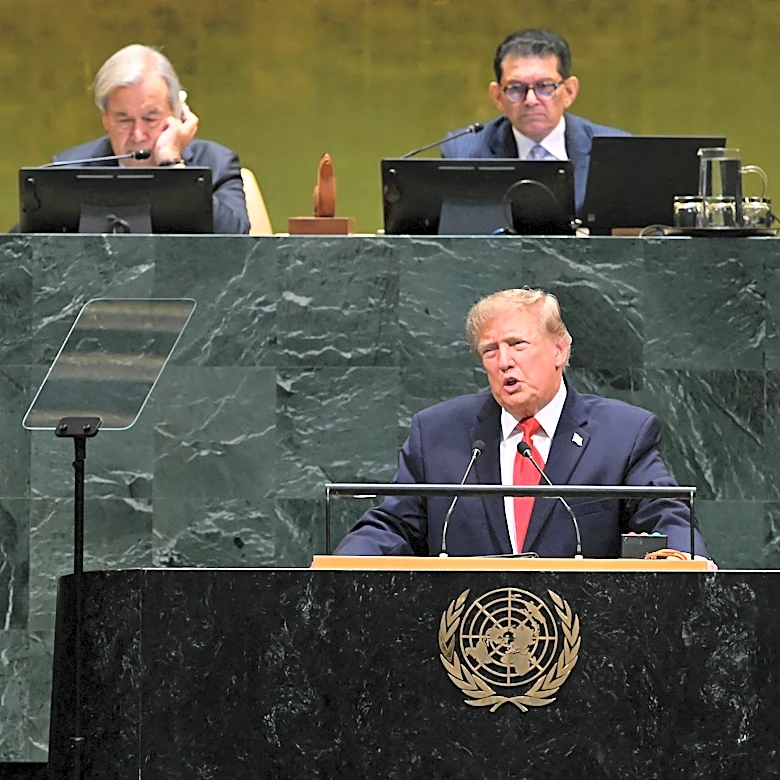
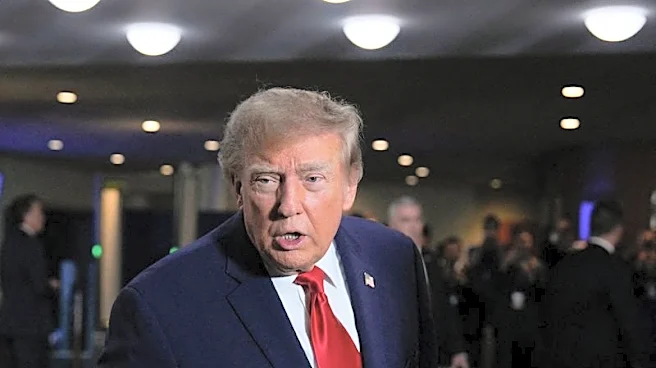
One of the primary sources of controversy stemmed from the perception of kneeling as disrespectful to the U.S. national anthem, flag, and military veterans. Many critics, including then-President Trump, viewed the gesture as an affront to national symbols and those who have served the country. Trump explicitly called the players' protest "a total disrespect of our heritage" and urged NFL owners to "fire" those who participated. This perspective often emphasized the tradition of standing during the anthem as a sign of respect for the nation and its armed forces.
Conversely, proponents of the protests, including Kaepernick himself, argued that their actions were not against the flag or the military, but against systemic injustices. Eric Reid, Kaepernick's teammate, explained that kneeling was chosen as a "respectful gesture," likening it to "a flag flown at half-mast to mark a tragedy." This interpretation framed the act as a solemn expression of grief and protest against the oppression of Black people and people of color, rather than a rejection of the country itself. Torrey Smith, an ex-wide receiver, highlighted this nuance, noting that while his father served in the military, he still faced racial incidents as a Black man, illustrating that service does not always protect against racial injustice.
Political Intervention and League Responses
The political dimension of the protests intensified significantly with President Trump's outspoken criticism. His remarks at a September 2017 rally, where he suggested NFL owners should fire protesting players, galvanized both opposition and support for the movement. This intervention led to a more widespread adoption of kneeling, with over 200 players participating in subsequent weeks, often in direct reaction to his comments.
Sports leagues responded with varying policies. The NFL initially stated that players were "encouraged but not required to stand." However, in May 2018, the NFL approved a new policy requiring players to stand during the anthem or remain in the locker room, with teams facing discipline for on-field protests. This policy was met with disagreement, leading to some players declining White House invitations. In contrast, the NBA, which also had a standing policy, reversed its stance during the George Floyd protests, allowing players to kneel in support of social justice, acknowledging the unique circumstances.
Social Media and External Influences
The kneeling protests also became a significant topic on social media, with hashtags like #TakeAKnee and #BoycottNFL dominating discussions. Research indicated that Russian internet trolls played a role in amplifying the outrage, using both #TakeAKnee and #BoycottNFL to sow divisiveness. This external influence highlighted how the protests were manipulated within broader geopolitical contexts, further complicating their interpretation.
Despite the controversies, the protests brought critical issues to the forefront. Law enforcement groups like the National Black Police Association supported Kaepernick's stance, viewing it as aligned with protecting human rights, while others, like the National Association of Police Organizations, called for boycotts of Nike for partnering with him. The ongoing debate surrounding the kneeling protests underscores the deep-seated societal issues they aimed to address and the complex, often conflicting, ways in which Americans interpret acts of dissent and patriotism.