









Smartwatches have come a long way since their inception, evolving from simple timekeeping devices to sophisticated wearable computers. This journey has been marked by significant technological advancements and changing consumer needs. Today, smartwatches are not only a fashion statement but also a vital tool for communication, fitness tracking, and health monitoring. This article explores the historical development of smartwatches, highlighting key
milestones and innovations that have shaped their evolution.
Early Beginnings and Initial Innovations
The concept of a smartwatch can be traced back to the early 1980s when companies like Seiko and Casio began experimenting with watches that offered more than just timekeeping. Seiko's Data 2000, released in 1984, was one of the first watches to interface with a computer, featuring a docking station and an external keyboard for data entry. This innovation marked a significant step towards integrating computing capabilities into wristwatches.
During the same period, Casio introduced its line of "computer watches," which included calculator functions and even games. These early models laid the groundwork for future developments by demonstrating the potential of wearable technology. However, it wasn't until the late 1990s and early 2000s that smartwatches began to gain more advanced features, such as wireless data transfer and compatibility with personal computers.
The Rise of Modern Smartwatches
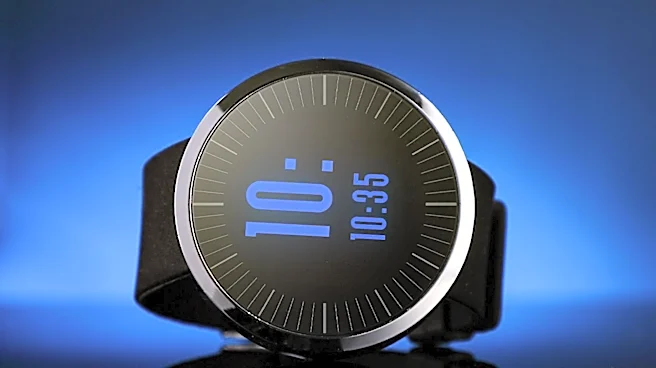
The 2010s marked a turning point for smartwatches, with major tech companies like Apple, Samsung, and Motorola entering the market. These companies introduced models that offered a wide range of functionalities, including fitness tracking, GPS navigation, and mobile app connectivity. The Apple Watch, launched in 2015, quickly became a market leader, setting new standards for design and functionality.
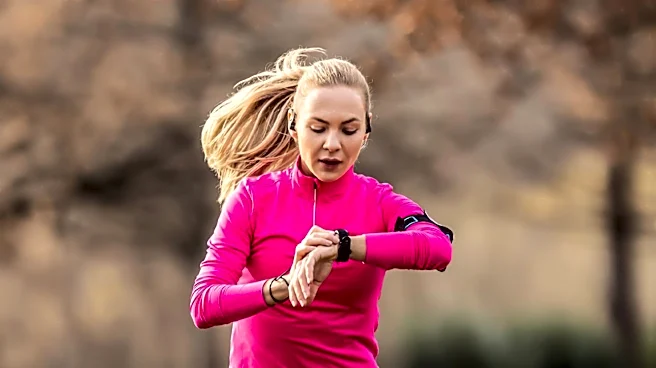
Smartwatches during this era became more than just accessories; they evolved into essential tools for managing daily life. Features like heart rate monitoring, step counting, and sleep tracking became standard, appealing to health-conscious consumers. The integration of cellular capabilities further enhanced their utility, allowing users to make calls and send messages without needing a smartphone.
Future Prospects and Innovations
As technology continues to advance, the future of smartwatches looks promising. Recent models have incorporated sophisticated health-monitoring features, such as ECG sensors and blood oxygen level tracking. These innovations have positioned smartwatches as valuable tools in the healthcare industry, offering real-time health data and potentially saving lives.
Looking ahead, smartwatches are expected to become even more integrated into our daily lives. With ongoing research into new display technologies and battery improvements, future models may offer even greater functionality and convenience. As the market continues to grow, smartwatches will likely play an increasingly important role in personal health management and connectivity.