






The churro, a beloved fried dough pastry, is recognized by its distinctive ridged shape and crispy texture. Its preparation involves a specific technique and a relatively simple set of ingredients, yet its presentation and consumption vary widely across different cultures and regions. From street vendor snacks to café breakfast items, the churro demonstrates remarkable versatility in how it is made and enjoyed.
Core Preparation and Distinctive Shape
The fundamental dough for churros is
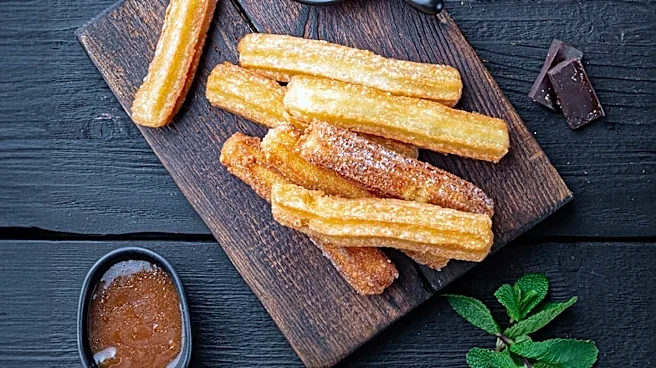
a mixture of flour, water, and salt. Some variations may also include potato dough. The dough is extruded through a churrera, which is a syringe-like tool equipped with a star-shaped nozzle. This process gives the churro its characteristic ridged surface. Once shaped, the churros are fried until they achieve a crunchy texture. After frying, they are often sprinkled with sugar, adding a sweet finish.
Churros can take on various forms; they may be straight, curled, or spirally twisted. This flexibility in shape, combined with the unique ridged surface, makes them visually appealing. While the basic ingredients are consistent, some recipes might include butter, milk, or eggs, meaning not all churros are vegan. This highlights a subtle variation in preparation that can cater to different dietary preferences or regional traditions.
Serving Traditions and Cultural Significance
Much like pretzels, churros are frequently sold by street vendors. These vendors often fry the churros fresh on their stands, serving them hot to customers. This street food tradition is particularly strong in Spain and many parts of Latin America, where churros are available in cafes for breakfast, though they are also enjoyed as a snack throughout the day. The hot serving temperature is a key aspect of the churro experience.
Specialized churrerías, which can be shops or trailers, become prominent during holiday periods. Countries such as Colombia, Peru, Spain, and Venezuela feature churrerías throughout their streets, indicating the deep cultural integration of this pastry. In Portugal, churros are a common sight at carnivals, fairs, and other celebrations, where they are freshly made at street stands, reinforcing their role as a festive treat.
Regional Fillings and Savory Innovations
The versatility of the churro extends beyond its basic form, with many regions introducing unique fillings and even savory versions. In Cuba, churros might be filled with fruit, such as guava. Brazilian churros often feature chocolate or doce de leite. In Argentina, Bolivia, Peru, Chile, and Mexico, dulce de leche or cajeta are popular fillings, alongside chocolate and vanilla. Colombia and Venezuela offer fillings like bocadillo, arequipe, or sweetened condensed milk. In Spain, a wider diameter churro is sometimes used to accommodate these various fillings.
Perhaps one of the most intriguing variations comes from Uruguay, where churros can be found in a savory form, filled with melted cheese. This demonstrates the adaptability of the fried dough concept beyond its typical sweet applications. In the Philippines, churros are typically straight, or bent into U-shapes or circular shapes, and are dusted with white sugar, often enjoyed during Christmas. These diverse preparations highlight how a simple fried dough can become a canvas for a wide array of culinary expressions across the globe.