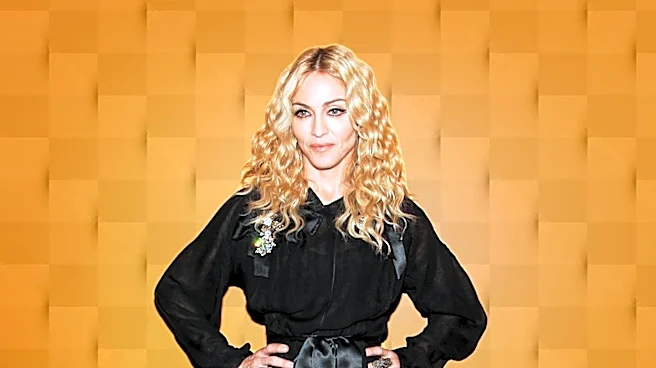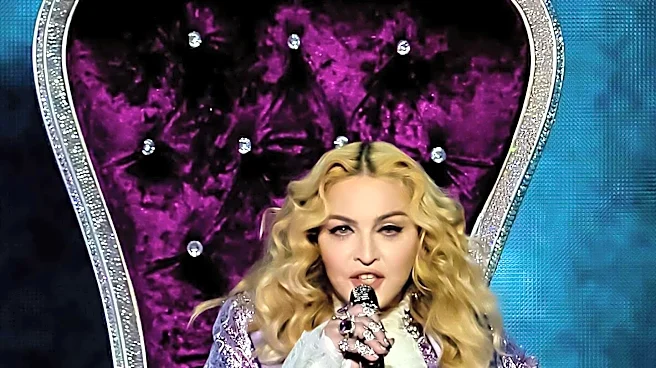



Madonna, born in 1958, has garnered extensive attention in fashion journalism throughout her career, not just for her music but for her constantly evolving and often provocative fashion image. Her forays into the fashion industry have included attending runway shows, gracing the Met Gala, and even owning fashion brands. She has appeared on the covers of numerous magazines, notably becoming the first musician to complete Vogue's "Big Four" covers.
Madonna has served as a muse for various designers and photographers, and is credited with significantly raising the profile of several of them.
A Dynamic Influence on Fashion Trends
Throughout her career, Madonna's dynamic styles and aesthetics have profoundly influenced fashion trends, eliciting both positive and negative reactions from mainstream media. Her ability to reinvent her image through fashion has made her a consistent subject of discussion and analysis. She has been featured in numerous best- and worst-dressed lists, and recognized in influence rankings such as Time's "All-TIME 100 Fashion Icons, Style and Design" in 2012. While she received accolades like the inaugural Versace Award at the VH1 Fashion Awards in 1998 and the Style Icon award from the Elle Style Awards in 2007, she also faced less favorable distinctions, such as the Worst Dressed Person Award from the Smash Hits Poll Winners Party in 1993 and 1994. Fashion critic Richard Blackwell even included her in his 1991 book, "Worst: 30 Years of Fashion Fiascos." Despite varied opinions, her fashion choices consistently generated conversation and impact.
Controversy and Cultural Appropriation
Madonna's fashion has frequently attracted criticism and generated controversy. This includes scrutiny for her use of religious imagery and overt sexual themes in her styling. During her early career, her influence on the fashion choices of her teenage fanbase became a significant point of attention and criticism, sparking debates about appropriate attire and role models. Beyond this, she has also faced criticism regarding cultural appropriation in her fashion choices and from animal-rights groups concerning materials used in her wardrobe. Her fashion sense has been cited as examples of both consumerism and narcissism, reflecting the complex and often polarizing nature of her public image.
Legacy and Recognition
Despite, or perhaps because of, the controversies, Madonna's status as a fashion icon remains strong. Media entertainers like Kelly Osbourne, Naomi Campbell, Rita Ora, and Kelly Brook have explicitly cited Madonna as a fashion icon or influence. Photographs and clothing associated with Madonna have been exhibited in museums and other venues, underscoring the cultural significance of her sartorial journey. Her continuous evolution and willingness to push boundaries through fashion have solidified her place as a transformative figure, demonstrating how personal style can be a powerful tool for self-expression and cultural commentary, leaving an indelible mark on the fashion world.