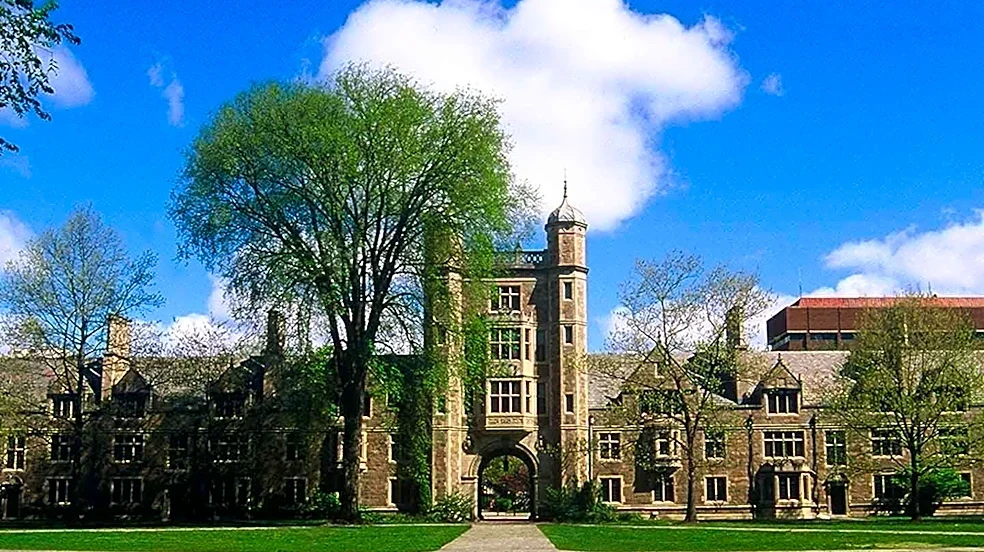









Princeton University has long been more than just an academic institution; it has been a crucible for national leadership, a center for evolving academic thought, and a significant contributor to American cultural trends. From its early days as the College of New Jersey, it has produced figures who shaped the nation's political landscape and fostered intellectual movements that influenced broader society. Its campus, particularly Nassau Hall, has even
served as a temporary seat of government, underscoring its deep historical ties to the United States.
A Cradle for Presidents and Statesmen
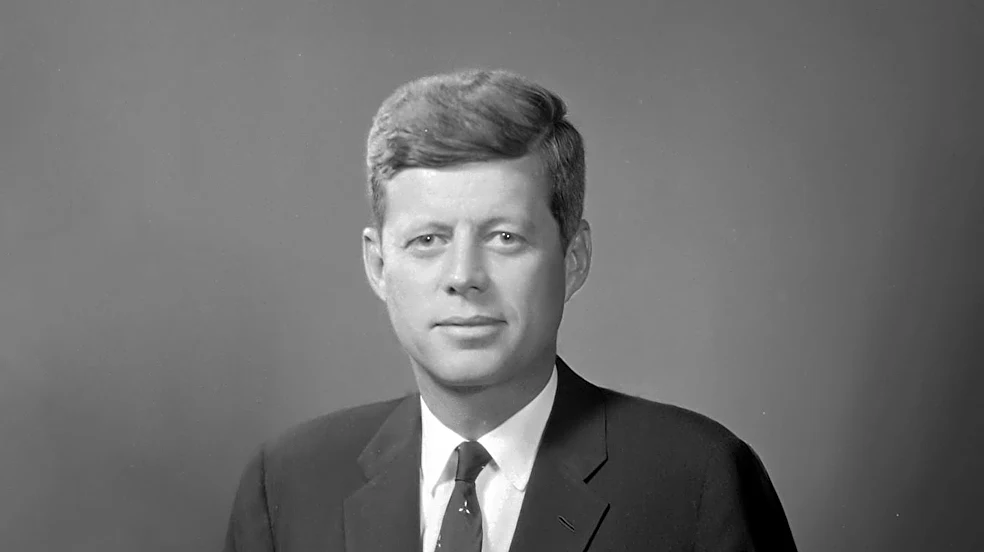
Princeton's connection to American leadership dates back to its earliest years. James Madison, who would become the fourth U.S. president and an influential founding father, graduated from the institution in 1771. Later, Woodrow Wilson, the 28th president of the United States, was not only an alumnus, graduating in 1879, but also served as Princeton's president from 1902 to 1910. This unique dual role highlights the profound link between the university and the highest office in the nation. Even future President John F. Kennedy began his studies at Princeton in 1935, though he later transferred.The university's historical significance is further cemented by Nassau Hall's brief stint as the United States Capitol building. From June 30 to November 4, 1783, the Congress of the Confederation met in the building's library. During this critical period, Congress acknowledged George Washington's successful conclusion of the war, received news of the peace treaty with Great Britain, and welcomed the first foreign minister to the United States from the Netherlands. These events firmly place Princeton at the center of the nation's foundational moments.
Academic Innovation and Intellectual Debates
Beyond political leadership, Princeton has been a hub for academic innovation and intellectual discourse. Woodrow Wilson, during his presidency, championed a model of education focused on intense small group discussions and one-on-one tutorials, known as preceptorials, which continue to be a hallmark of the university's humanities and social science programs. This approach contrasted with the Germanic model of the PhD-oriented research university, reflecting an ongoing debate about the ideal form of higher education.The mathematics department at Princeton also became a significant center for research in the early 20th century, largely due to the efforts of Oswald Veblen. He skillfully secured university funding, helping to establish Princeton as a recognized research institution. This period also saw a division emerge between "pure" mathematicians in academia and "applied" mathematicians finding support in industry, illustrating the evolving landscape of scientific inquiry and funding.
Cultural Trends and Social Change
Princeton's influence extended into broader cultural and social spheres. In the early 20th century, the university was a trendsetter in young men's fashion, casualizing menswear across the country. Its elite prep-school student population and distinctive eating club subculture provided an ideal environment for shaping national tastes. The campus also served as a popular setting for novels detailing student life, faculty experiences, and town dynamics, reflecting its cultural resonance.Socially, Princeton navigated significant changes, particularly regarding diversity. While historically restricting the admittance of Jews and other minorities, the post-World War II era saw a shift. The university, along with Harvard and Yale, began to expand its admission policies, admitting more minorities. The move to coeducation in 1969 was another major step, transforming the institution from one exclusively for men to a more inclusive environment. These changes demonstrate Princeton's evolving role in reflecting and shaping American society's values.