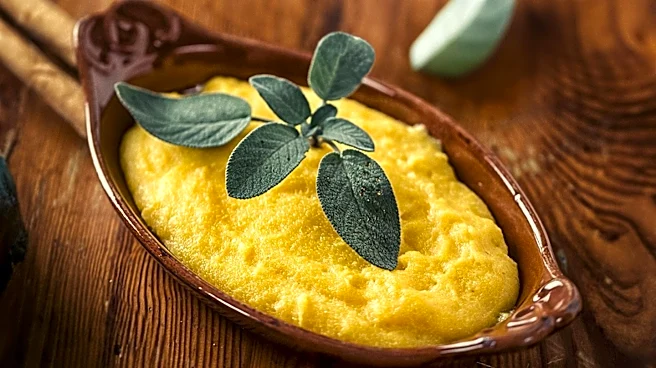








Polenta, a dish now widely recognized as an Italian staple made from boiled cornmeal, boasts a rich and extensive history that predates the introduction of maize to Europe. Its origins trace back to ancient times, where similar grain mushes were common fare. This humble dish, once associated primarily with lower-income groups, has undergone a remarkable transformation, evolving from various indigenous grains to its current corn-based form and finding
its way into sophisticated cuisines and diverse cultures across the globe.
Ancient Roots and Pre-Columbian Forms
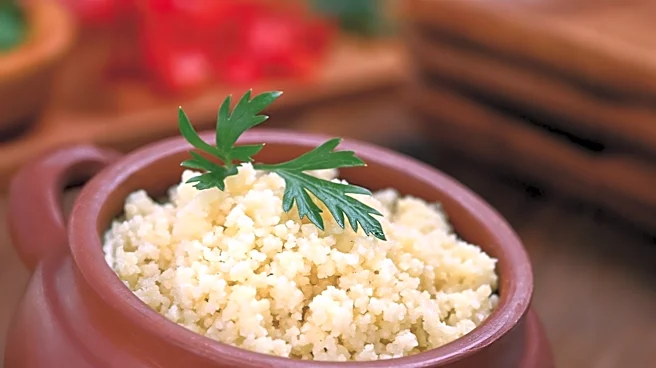
Before the arrival of corn from the Americas in the 16th century, the ancestors of modern polenta were prepared from a variety of starchy ingredients readily available in Europe. These ancient grain mushes, known in Latin as *puls* or *pulmentum*, were a common part of the diet since Roman times. Grains like farro, chestnut flour, millet, and spelt were dried and ground into coarse meal, much like the process used for cornmeal today, to create these early forms of porridge. Chickpeas were also among the ingredients used, highlighting the adaptability and resourcefulness inherent in the dish's long history.Traditionally, grains in Europe were consumed as a porridge, making the transition to corn a natural progression. The preparation methods for these early versions involved boiling the ground grains in liquid, much as polenta is prepared today. This foundational approach to cooking grains provided a nutritious and accessible food source for many, laying the groundwork for the dish that would eventually become known as polenta.
The Arrival of Maize and Culinary Transformation
The 17th century marked a significant turning point in polenta's history with the introduction of maize, or corn, to Europe by Christopher Columbus. This new, highly productive, and nutritious grain from Central America quickly found its way into the culinary traditions of northern Italy and the southern Alpine valleys, where it rapidly became a staple food. The ease of cultivation and the versatility of corn made it an ideal replacement for the older, more diverse grain varieties previously used.The adoption of cornmeal fundamentally changed the character of polenta, giving it the distinct yellow hue and flavor profile that is most familiar today. While initially still considered a food of the lower classes, its widespread availability and nutritional value cemented its place in everyday nutrition. The shift to cornmeal was so complete that by the 1930s, despite its humble origins, polenta had begun to penetrate more sophisticated culinary circles, moving beyond its traditional association with poverty.
Global Spread and Regional Variations
Polenta's journey did not stop at the borders of Italy. Its popularity spread to various regions outside northern Italy, becoming an integral part of the cuisine in Austrian regions such as Tyrol, Carinthia, and Styria. It also found a home in parts of Switzerland, particularly the Italian-speaking canton of Ticino, the canton of Grischun/Graubünden/Grigioni, and the Rhine Valley of St. Gallen. Further afield, polenta became part of the culinary landscape in Provence, Spain, Moldova, Romania, and other areas of the Balkan Peninsula.Italian migration played a crucial role in polenta's global dissemination, particularly to South America. In the late 19th century, Italian immigrants brought polenta to the south of Brazil, where it became an important element of Italian-Brazilian culture and identity in states like Rio Grande do Sul, Santa Catarina, and Paraná. The fried version of polenta has even gained popularity in other Brazilian regions that did not experience significant Italian migration, becoming a common snack and finger food in bars across the country. In the American South, a similar dish known as grits is served with shrimp, cheese, or meat stews, showcasing a parallel evolution of cornmeal-based porridges.