

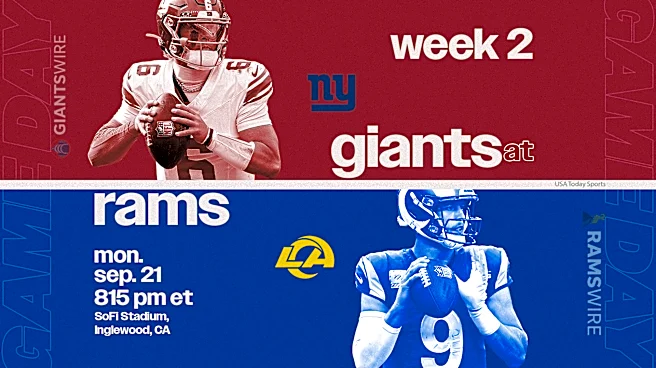
Monday Night Football, often abbreviated as MNF, stands as a significant institution in American sports broadcasting. This television program, dedicated to airing National Football League (NFL) games, has captivated audiences for decades, establishing a tradition of primetime football on Monday evenings. Its debut on September 21, 1970, marked the beginning of a new era for sports on television, designed to maximize viewership and highlight the league's
premier matchups. The show's enduring popularity has made the phrase "Monday night" a common idiom, extending beyond football to describe any major event scheduled for a Monday evening, influencing other sports like basketball, baseball, hockey, and soccer.
The Genesis of a Primetime Phenomenon
The concept of a weekly primetime NFL game was championed by then-NFL Commissioner Pete Rozelle. Recognizing the growing popularity of American football in the 1960s, Rozelle sought to elevate the sport's profile further by scheduling a game during a weekday's best viewing hours. Initially, Friday night was considered, but this idea was abandoned due to potential conflicts with high school football games, which traditionally took place on Fridays. The decision ultimately landed on Monday evening, specifically 9:00 PM Eastern Time, to ensure maximum exposure.
An early "pilot game" was played on September 28, 1964, between the Green Bay Packers and the Detroit Lions. Although this game predated the official Monday Night Football series and lacked a television broadcast, it served to test the viability of a weekday evening game for stadium attendance. The event proved to be a massive success, drawing 59,203 spectators, making it the most-attended professional football game in Detroit's history at that time. This success paved the way for the eventual television broadcast rights, though the official start of Monday Night Football is tied to ABC giving the program its name and the NFL's re-establishment in 1970 following the merger of the NFL and the American Football League (AFL).
Network Transitions and Broadcasting Evolution
From its inception in 1970 until 2005, Monday Night Football was a staple of the ABC television network. This long tenure on ABC not only solidified MNF's place in American culture but also significantly contributed to ABC's growth and prominence as a network. The program consistently achieved impressive ratings, often capturing a market share of 33% or more, demonstrating its widespread appeal.
In 2006, a significant shift occurred when the NFL announced that the 2005 season would be ABC's last for Monday Night Football. The broadcasting rights were subsequently acquired by ESPN, a dedicated sports channel, which has carried the games since. Both ABC and ESPN are part of the Walt Disney Company, allowing for some continuity and collaboration. Since 2020, both ESPN and ABC have been involved in broadcasting these games, either exclusively on one network or through simulcasts on both. This dual-network approach, including simulcasts, has continued to evolve, with ABC notably simulcasting several games in 2020, including a strong Week 2 matchup and games featuring the Buffalo Bills against the San Francisco 49ers and New England Patriots. ESPN has also expanded its coverage to include alternate broadcasts, such as a youth-oriented version featuring characters from the Toy Story franchise on ESPN+ and Disney+ for an International Series game.
The Enduring Appeal and Commentary Style
Monday Night Football remains one of the most recognized and beloved television programs in the United States. A key element contributing to its enduring appeal is its distinctive commentary style. Unlike many sports broadcasts, which might feature a single commentator, MNF typically employs two or three commentators in the booth, alongside multiple sideline reporters. These sideline reporters are tasked with capturing insights directly from players and coaches during the game, a practice that has since been adopted by all major U.S. sports broadcasters. This multi-person commentary team provides a dynamic and comprehensive viewing experience.
Over the years, MNF has featured many renowned commentators, including legendary figures like Al Michaels and Frank Gifford. John Madden, who served as a co-commentator alongside Al Michaels from 2002, famously remarked at the end of ABC's final broadcast, "You can take football away from ABC, but not the memories." This sentiment encapsulates the deep connection viewers have formed with the program over its long history, highlighting its status as more than just a football game, but a cultural event.