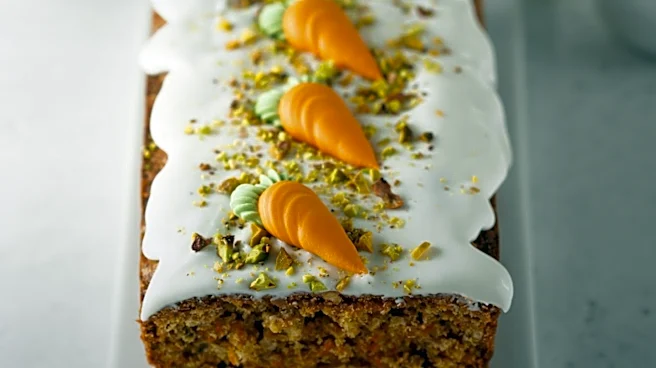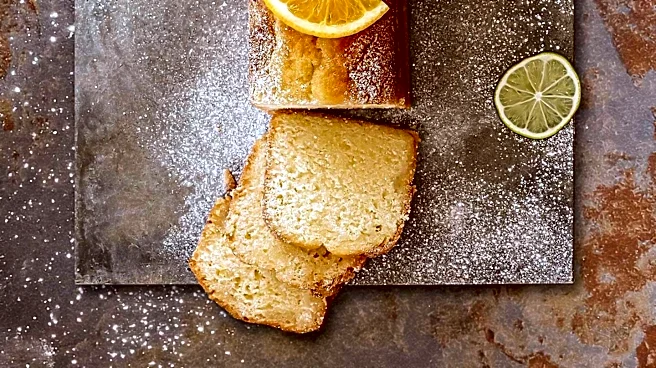

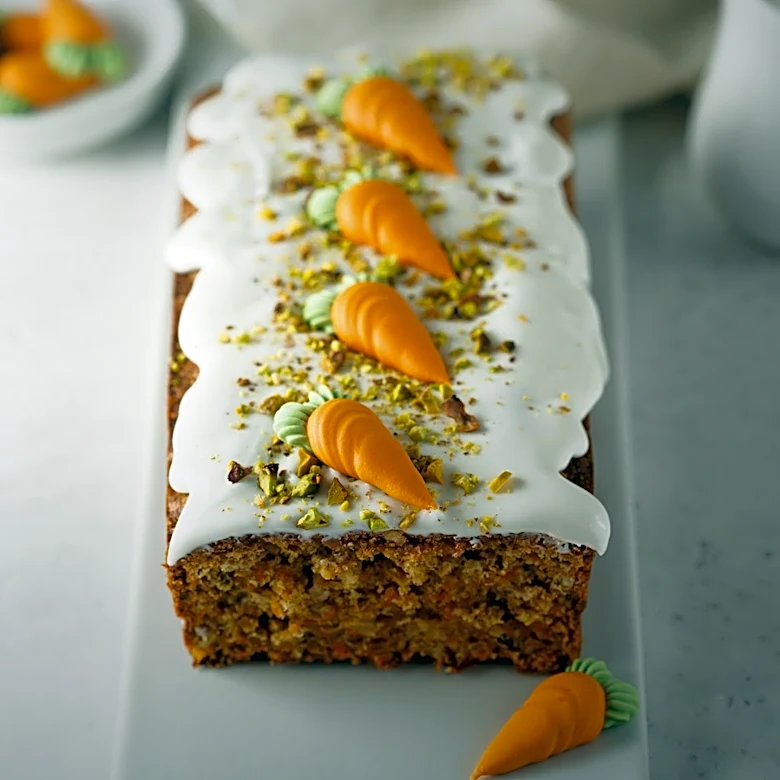







Pound cake, a dessert known for its rich, dense texture, boasts a history stretching back centuries. Its name traditionally derives from its original recipe, which called for a pound of each of its four core ingredients: flour, butter, eggs, and sugar. This simple yet robust formula has allowed the cake to travel across continents, adapting to local tastes and ingredients while maintaining its fundamental character. From its first recorded appearance
in England to its diverse interpretations in France, Mexico, and Colombia, the pound cake has proven to be a remarkably versatile and enduring culinary staple.
Early Origins and American Adoption
The earliest known recipe for pound cake can be found in Hannah Glasse's English cookbook, *The Art of Cookery*, published in 1747. This foundational recipe established the cake's identity as a creation of equal parts, a concept that, while not always strictly adhered to in later variations, defined its initial form. The cake's popularity soon crossed the Atlantic, with the first U.S. cookbook, *American Cookery*, featuring its own pound cake recipe in 1796. This early adoption in America solidified its place in the burgeoning nation's culinary traditions.
Over time, the ingredients and preparation methods for pound cake began to evolve. Eliza Leslie, in her 1851 edition of *Direction for Cookery*, detailed a recipe that included 10 eggs, beaten as lightly as possible, mixed with a pound of flour, and then enhanced with wine, brandy, rose water, and the juice of two lemons or three large oranges. These additions significantly altered the cake's flavor and texture, moving beyond the original four-ingredient simplicity. Interestingly, Leslie also published a recipe for Indian pound cake in London in 1846, which replaced some of the flour with cornmeal made from dried corn, a variation that emerged during a time when people in Ireland sought alternatives to expensive wheat flour.
French and Mexican Interpretations
In France, the pound cake is known as *quatre-quarts*, a name that literally translates to