






The profiterole, a sweet French pastry made from choux pastry and typically filled with cream or ice cream, has transcended its origins to become a beloved dessert in various parts of the world. While its French roots are undeniable, different cultures have embraced and adapted this classic, often giving it new names, fillings, and presentations that reflect local tastes and conditions. This global journey showcases the versatility of the choux pastry and the universal
appeal of a delightful, filled confection.
The American Cream Puff and Hawaiian Coco Puffs
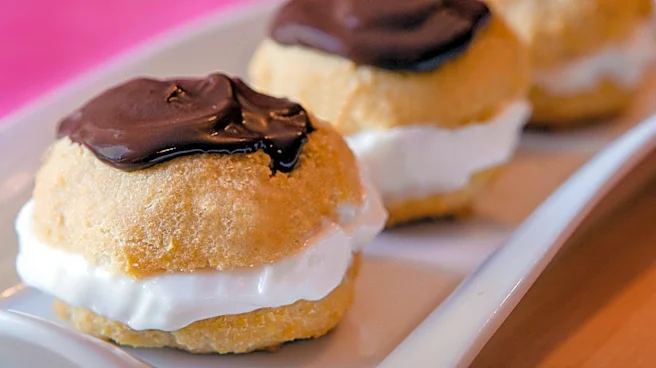
In the United States and Canada, the profiterole is widely known as a cream puff. This alternative name highlights its most common filling and perhaps a more direct, less formal approach to naming pastries. Cream puffs have been a fixture on U.S. restaurant menus since at least 1851, indicating a long-standing presence in American culinary culture. A notable example of their popularity is the Wisconsin State Fair, which is famous for its giant cream puffs, suggesting a tradition of larger, more indulgent versions of the pastry.Further demonstrating regional adaptation within the U.S., Hawaii boasts its own unique take: coco puffs. These are not to be confused with the breakfast cereal Cocoa Puffs. Hawaiian coco puffs, particularly those made by Liliha Bakery, are a popular dessert filled with chocolate *crème pâtissière* and topped with a frosting known as "chantilly." This chantilly frosting is described as similar to German chocolate cake frosting, but without the coconut and nuts, showcasing a distinct local flavor profile for a dessert rooted in French tradition.
Louisiana's Ice Cream Innovation and Japanese Shu-Cream
Another significant adaptation occurred in Louisiana, where the profiterole recipe was reportedly brought to New Orleans over two centuries ago. The hot climate of Louisiana presented a challenge for traditional pastry cream, an ingredient in the original Parisian recipe, as milk would spoil quickly in temperatures exceeding 30 °C (86 °F) during the summer. To overcome this, ice cream became the traditional and practical filling. Louisianan recipes for profiteroles commonly feature vanilla or chocolate ice cream, and sometimes include caramel sauce or chocolate ganache, demonstrating a clever and delicious adjustment to environmental factors.Beyond the Americas, cream puffs also found a strong foothold in Japan. Introduced by the early 20th century, they became incredibly popular under the name *Shu-cream*. By the 21st century, *Shu-cream* was so widely embraced that it was regarded as a Japanese dessert, even though its French origins were generally understood. This widespread adoption and renaming illustrate how a foreign pastry can become deeply integrated into a new culinary landscape, becoming a staple in its own right. The global journey of the profiterole, from its French origins to its various international iterations, underscores its enduring appeal and adaptability across diverse palates and climates.