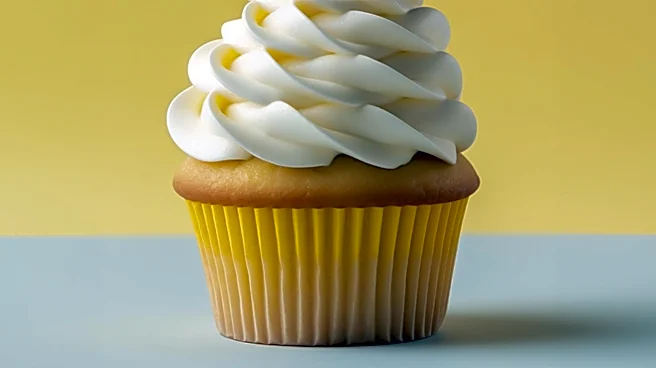







The cupcake, a beloved single-serving cake, boasts a rich history rooted in the United States. Its evolution from a simple baked good to a versatile treat reflects changes in American culinary practices and kitchen technology. Tracing its origins reveals not only the development of the cake itself but also the fascinating ways in which baking terminology and methods have adapted over centuries. This journey highlights how a practical approach to baking led
to the creation of a dessert that remains popular today, often baked in individual paper or aluminum cups and adorned with various decorations.
Early Mentions and Dual Meanings
The earliest known description of what we now recognize as a cupcake appeared in 1796. This was a recipe for "a light cake to bake in small cups," found in *American Cookery* by Amelia Simmons. However, the term "cupcake" itself wasn't officially documented until 1828, in Eliza Leslie's *Receipts* cookbook, specifically in a section titled "Seventy-five Receipts for Pastry, Cakes, and Sweetmeats." Interestingly, in the early 19th century, the term "cup cake" or "cupcake" had two distinct meanings.One meaning, which has persisted, referred to cakes baked in individual pottery cups, ramekins, or molds. Before muffin tins became widely available, these small vessels were the standard for creating single-serving cakes, and the cakes naturally took their name from the containers they were baked in. This usage established the cupcake as a small, round cake, typically about the size of a teacup. While English fairy cakes, a close relative, can vary more in size, they are traditionally smaller than American cupcakes and are less frequently topped with elaborate frosting.
The "Cup Cake" of Measurement
The second, and now less common, meaning of "cup cake" referred to a cake whose ingredients were measured by volume using a standard-sized cup, rather than by weight. This method of measurement was a significant departure from traditional baking, which often relied on scales. While these volume-measured recipes could also be baked in cups, they were more commonly prepared in tins as layers or loaves. This approach simplified baking for home cooks, making recipes more accessible.As volume measurements became firmly established in American home kitchens, these recipes evolved into what became known as "1234 cakes" or "quarter cakes." These names directly reflected their composition: one cup of butter, two cups of sugar, three cups of flour, and four eggs. These cakes were typically plain yellow cakes, offering a less rich and less expensive alternative to pound cake, as they used approximately half the amount of butter and eggs. The naming conventions of both "cup cake" and "pound cake" were designed to clearly signal the baker's method, distinguishing between volume and weight measurements.
Modern Ingredients and Baking Techniques
Today, a standard cupcake utilizes the same fundamental ingredients as larger cakes: butter, sugar, eggs, and flour. The versatility of cupcakes means that almost any recipe suitable for a layer cake can be adapted for them. The cake batter can be flavored or enhanced with additional ingredients like raisins, berries, nuts, or chocolate chips, allowing for endless variations. Due to their small size, cupcakes benefit from more efficient heat conduction, resulting in significantly faster baking times compared to a whole cake.Modern cupcakes are frequently topped with frosting or other cake decorations. For those looking to add fillings, a plastic food syringe can be used to inject frosting, fruit, or pastry cream inside. Home bakers making a small number of filled cupcakes often create a small hole in the top with a spoon or knife, or simply insert a pastry bag into the center. Commercial bakeries, however, typically employ syringes for efficient filling. This blend of traditional ingredients and contemporary techniques ensures the cupcake remains a versatile and beloved treat, adaptable to both home kitchens and large-scale production.