


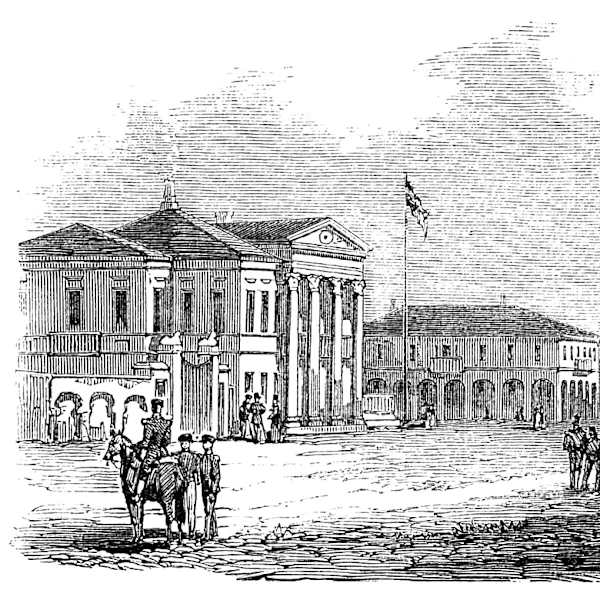






The Bank for Savings in the City of New-York holds a significant place in the history of American banking. Founded in 1816, it was the fourth bank to open in the United States and the first savings bank in Manhattan. This article delves into the historical timeline of the bank, highlighting its founding, major milestones, and eventual merger and failure.
Founding and Early Years
The Bank for Savings in the City of New-York was established in 1816, although it wasn't incorporated
until March 16, 1819. It was initially advertised as "A Bank for the Poor," modeled after similar institutions in Europe. The bank aimed to provide a secure place for the earnings of the laboring community, offering them the benefit of accumulating interest. Thomas Eddy, one of the founders, emphasized the charitable nature of the bank, seeing it as a means to promote independence, economy, and industry among the poor.
The bank's first location was on Chambers Street, which became famous for hosting the first Egyptian mummy display in the United States in 1824. This unique event added to the bank's historical significance, marking it as a cultural landmark in addition to its financial role.
Growth and Prosperity
During the Civil War, the Bank for Savings was seen as a bellwether of national prosperity. It held over $11 million and had the largest number of working-class depositors in New York State. This period marked a significant growth phase for the bank, reflecting its importance in the financial landscape of the time.
In 1856, the bank moved to Bleecker Street, becoming known as the Bleecker Street Savings Bank. This move was part of its expansion strategy, accommodating the growing number of depositors and enhancing its presence in Manhattan.
Merger and Decline
The bank continued to operate successfully for many years, but in 1982, it merged with the Buffalo Savings Bank. This merger marked the beginning of the end for the Bank for Savings in the City of New-York. Despite the merger, the bank failed in 1991 and ceased to exist.
The failure of the bank was a significant event, reflecting the challenges faced by financial institutions during that period. The merger and subsequent failure highlight the dynamic nature of the banking industry and the impact of economic shifts on long-standing institutions.
The Bank for Savings in the City of New-York's journey from its founding to its eventual failure is a testament to the evolving landscape of American banking. Its history offers insights into the development of savings banks and their role in supporting the working class.