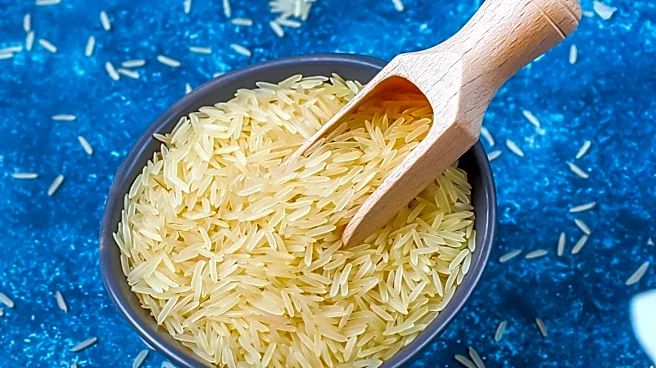









Basmati rice holds a special place in the cultural and culinary traditions of the Indian subcontinent. Known for its long, slender grains and aromatic qualities, Basmati rice is more than just a staple food; it is a symbol of heritage and identity. Its cultivation and consumption have been deeply intertwined with the history and culture of the regions where it is grown.
Historical Roots and Etymology
The history of Basmati rice dates back centuries, with its earliest mention found
in the epic poem Heer Ranjha, composed by the Punjabi poet Waris Shah in 1766. The name 'Basmati' itself is derived from Sanskrit, combining 'vas' meaning fragrance and 'mati' meaning ingrained. This etymology reflects the rice's defining characteristic—its fragrance.
Basmati rice has been cultivated in the Indian subcontinent for generations, primarily in the regions of Punjab, Haryana, and Sindh. These areas provide the ideal agro-climatic conditions for growing Basmati, contributing to its unique qualities. The rice's historical significance is also tied to its role in traditional ceremonies and celebrations, where it is often used in special dishes.
Regional Varieties and Identity
Different regions in India and Pakistan have developed their own varieties of Basmati rice, each with distinct characteristics. For instance, Dehradun Basmati from Uttarakhand is known for its high grain quality and unique 'popcorn' aroma. This variety has been propagated to other regions, becoming a source of pride and identity for local farmers.
In Pakistan, varieties like Super Kernel Basmati and D-98 are celebrated for their aroma and flavor. These regional varieties not only highlight the diversity within Basmati rice but also underscore its cultural importance. The cultivation of Basmati rice is often a family tradition, passed down through generations, and is a significant part of the agricultural economy in these regions.
Global Influence and Adaptation
While Basmati rice is geographically exclusive to certain districts in India and Pakistan, its influence has spread globally. The rice's unique qualities have made it a sought-after ingredient in international cuisines. In the United States, for example, a variety called Texmati is grown, offering a local adaptation of this aromatic rice.
The global demand for Basmati rice has also led to the development of hybrid varieties to meet increasing consumption. These hybrids, while maintaining some of the traditional characteristics, are designed to be more productive and cost-effective. Despite these adaptations, the cultural significance of Basmati rice remains rooted in its origins, continuing to be a symbol of tradition and excellence.