




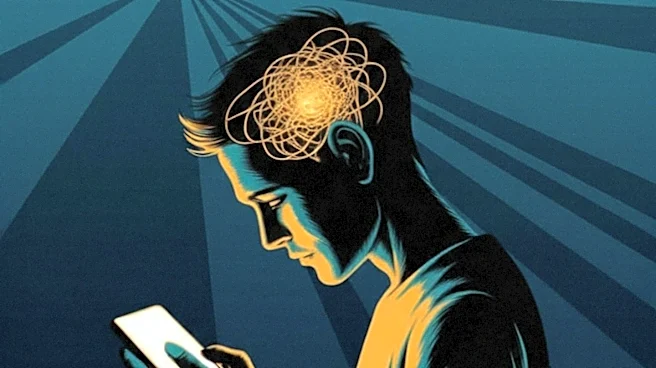


Confirmation bias is not merely an abstract psychological concept; it is a powerful force that actively shapes our daily lives, influencing everything from personal opinions to major societal outcomes. This cognitive tendency, where individuals favor information that confirms their existing beliefs, manifests in countless ways across various domains, including politics, finance, health, and even our self-perception. Understanding how confirmation
bias operates in these real-world scenarios provides crucial insights into human behavior, decision-making flaws, and the challenges of achieving objective understanding in a complex world. Its pervasive nature means that recognizing its presence is the first step toward mitigating its potentially detrimental effects.
Political Polarization and Public Discourse
One of the most visible arenas where confirmation bias plays a significant role is in politics and public discourse. People tend to seek out news sources and social circles that affirm their existing political views, leading to the formation of "filter bubbles" and "echo chambers." For example, individuals with strong opinions on gun control are likely to prefer sources that support their stance and interpret ambiguous evidence as further validation of their position. This selective exposure and interpretation can lead to attitude polarization, where opposing views become even more entrenched and extreme, even when all parties are exposed to the same information. The continued influence effect further complicates matters, as misinformation, once absorbed, can continue to affect memory and reasoning despite being corrected, making it difficult to shift deeply held political beliefs.
This bias contributes to a fragmented public sphere where common ground becomes elusive. When people primarily consume information that reinforces their own perspective, they may struggle to understand or empathize with opposing viewpoints, hindering constructive dialogue and compromise. The result can be a society increasingly divided along ideological lines, where factual disagreements are often rooted in biased interpretations rather than a lack of information.
Financial Decisions and Investment Pitfalls
In the world of finance, confirmation bias can have tangible and often costly consequences. Investors, like anyone else, are susceptible to favoring information that supports their initial investment hypotheses. This can lead to overconfidence in their stock picks or market predictions, causing them to overlook warning signs or dismiss contradictory market data. For instance, an investor who believes a particular company's stock will rise might focus only on positive news about that company while downplaying negative reports or expert opinions that suggest caution.
Studies of political stock markets have shown that investors who manage to resist this bias and treat news in a relatively neutral way tend to make more profit. This suggests that an objective approach, actively seeking out disconfirming evidence and considering alternative perspectives, can lead to better financial outcomes. The tendency to seek out "yes-men" in one's own internal thought processes, reinforcing existing beliefs, can be particularly dangerous in volatile financial markets where objective analysis is paramount.
Health, Self-Perception, and Organizational Failures
Confirmation bias also impacts personal health decisions and self-perception. In health, individuals might seek out information that supports their preferred treatment options or dismiss medical advice that contradicts their existing beliefs about their condition. This can lead to suboptimal health outcomes if critical information is ignored. Regarding self-image, people tend to seek feedback that confirms their self-perceptions, whether positive or negative, which can reinforce existing self-views and make personal growth or change more challenging.
In organizational and military contexts, the effects can be disastrous. Leaders might fall prey to confirmation bias when making strategic decisions, favoring information that supports their initial plans and overlooking critical intelligence that suggests a different course of action. This can lead to flawed strategies, missed opportunities, or even catastrophic failures. The historical record is replete with examples where groups or individuals, blinded by their preconceptions, made poor choices with far-reaching negative consequences, underscoring the critical need for mechanisms to counteract confirmation bias in high-stakes environments.