



Leg warmers are more than just a fashion accessory; they are versatile garments designed to provide warmth and protection for the lower legs. Similar to long socks but typically thicker and footless, these coverings come in a variety of forms, materials, and lengths, catering to diverse needs from athletic performance to everyday comfort. Their adaptability makes them suitable for a range of activities and climates, highlighting their practical utility.
Diverse Forms and Materials
Leg warmers are not limited to a single design. They can appear as tubular sleeves, offering a simple pull-on solution, or as long fabric wrappings that can be adjusted for a custom fit. Some variations even include simple pieces of fur or fabric tied around the calves, showcasing a more rustic or traditional approach. This variety in form allows for different levels of warmth, compression, and aesthetic appeal, depending on the wearer's preference and activity.
The materials used in leg warmers have also evolved over time. Traditionally, they were knitted from pure sheep wool, prized for its natural warmth and insulation. Modern variants, however, frequently incorporate cotton, synthetic fibers, or a blend of both. Synthetic fibers often add properties like moisture-wicking or increased durability, while cotton provides softness and breathability. Some leg warmers are even made from chenille, offering a distinct texture and feel. This evolution in materials reflects a desire for enhanced performance, comfort, and a wider range of aesthetic options.
Functional Applications in Sports and Outdoor Activities
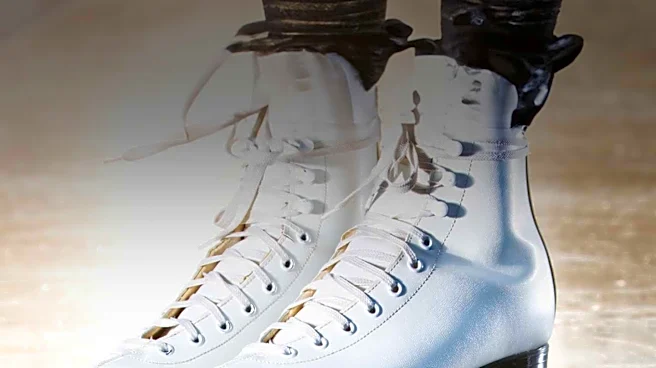
Beyond their historical use in dance, leg warmers serve a practical purpose in numerous outdoor activities and sports. They are commonly utilized in cycling, where they can provide crucial warmth to leg muscles during cooler rides. Soccer players, hockey players, and ice skaters also benefit from the added insulation, helping to keep their lower legs warm and potentially reducing muscle stiffness. Hikers find them useful for protection against cold weather and minor abrasions, while dancers continue to rely on them to maintain muscle warmth and prevent cramping after stretching.
The design of leg warmers also varies to suit specific functional requirements. They are typically worn between the ankle and just below the knee, but dancers often prefer longer versions that extend to cover the lower parts of the thigh. For dancers, some leg warmers are designed to cover the entire foot and include a special pad on the sole to grip the floor, preventing slips. Additionally, particularly short and thinner versions, known as ankle warmers, exist for those who need less coverage or lighter insulation. This wide array of designs and materials underscores the adaptability of leg warmers to different environments and activities, making them a truly versatile garment.