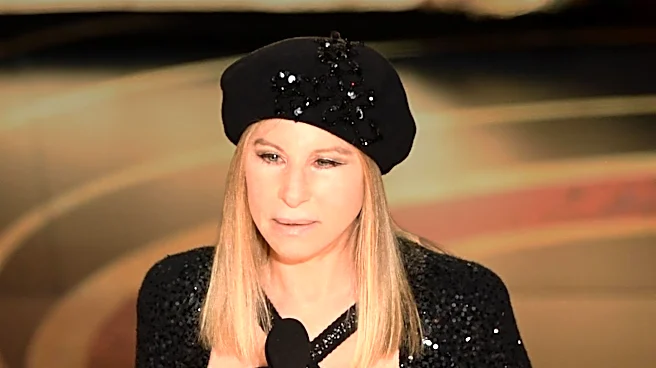






Barbra Streisand's career extends far beyond her celebrated musical achievements, marking her as a significant figure in the world of film. Transitioning from stage and recording success, she ventured into cinema in the late 1960s, quickly establishing herself as a formidable actress. Her filmography showcases a range of genres, from critically acclaimed musicals to screwball comedies and romantic dramas. More notably, Streisand broke barriers as a filmmaker,
taking on roles as a writer, producer, and director, and achieving historic firsts for women in Hollywood.
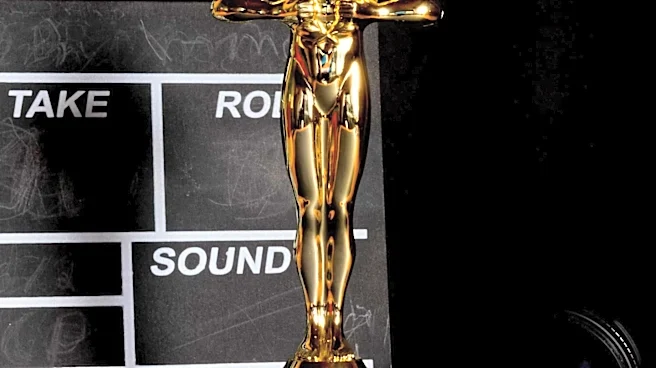
Her cinematic journey began with a powerful impact, starring in the critically acclaimed "Funny Girl" in 1968. This role earned her the Academy Award for Best Actress at the 41st Academy Awards, solidifying her status as a major talent on the big screen. Following this success, she continued to grace cinema with memorable performances in a variety of films. The extravagant musical "Hello, Dolly!" in 1969 further showcased her singing and acting prowess. She also demonstrated her comedic timing in the screwball comedy "What's Up, Doc?" in 1972 and captivated audiences in the romantic drama "The Way We Were" in 1973. These early roles cemented her reputation as a versatile and compelling screen presence.
Breaking Barriers as a Director
Streisand's ambition and vision led her to explore roles behind the camera, where she made groundbreaking contributions. With the release of "Yentl" in 1983, she achieved a historic milestone, becoming the first woman to write, produce, direct, and star in a major studio film. This multifaceted involvement demonstrated her comprehensive artistic control and commitment to her projects. Her work on "Yentl" was not only a personal triumph but also a significant moment for women in the film industry.
Her directorial efforts on "Yentl" were recognized with critical acclaim, earning her the Golden Globe Award for Best Director. This achievement made her the first woman to win that prestigious award, a distinction she held for 37 years. This recognition underscored her talent and influence as a filmmaker, paving the way for future generations of female directors. Streisand continued to produce and direct, further expanding her impact in Hollywood. She helmed "The Prince of Tides" in 1991 and "The Mirror Has Two Faces" in 1996, both of which showcased her continued dedication to storytelling and her ability to navigate complex narratives from multiple creative standpoints. Her work as a director, producer, and writer, alongside her acting, highlights a career defined by artistic independence and a pioneering spirit.