









Self-compassion is not only beneficial for individual psychological health but also plays a crucial role in parenting and child development. By fostering an environment of understanding and acceptance, parents can help their children develop self-compassion, which is essential for their emotional and social growth. This article explores how self-compassion influences parenting practices and contributes to the development of self-compassion in children.
Parenting Practices and Self-Compassion
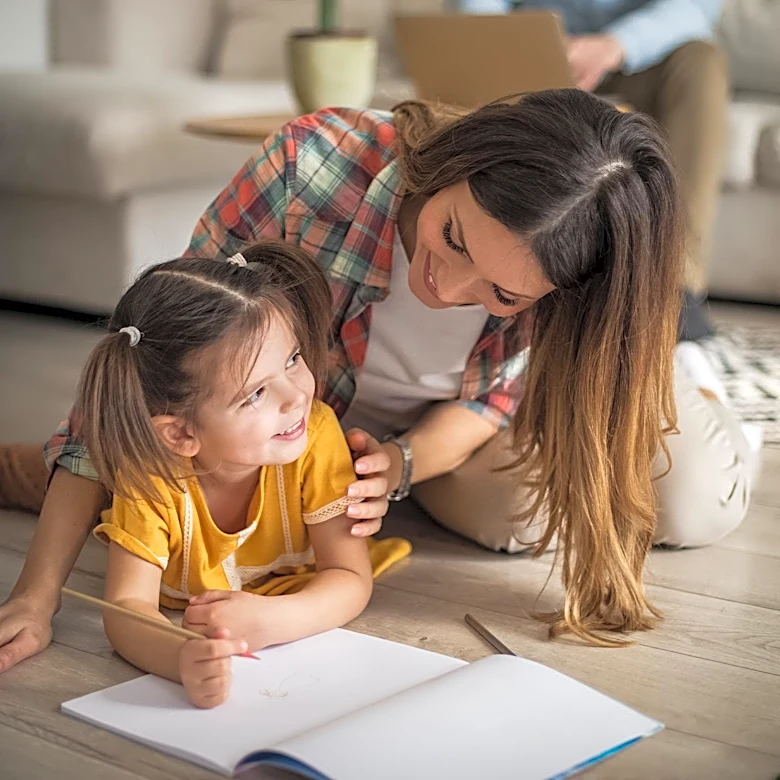
Parenting practices significantly impact the development of self-compassion in children. When parents model self-compassionate behavior, they provide a powerful example for their children to follow. This involves demonstrating self-kindness, recognizing common humanity, and practicing mindfulness in daily interactions.
Maternal support and secure attachment are key factors in creating an environment conducive to developing self-compassion. When children feel supported and securely attached, they are more likely to internalize these behaviors and apply them to themselves. This secure foundation allows children to approach their own failures and shortcomings with understanding and kindness, rather than self-criticism.
Harmonious family functioning also contributes to the development of self-compassion. In families where open communication and emotional support are prioritized, children learn to express their emotions healthily and constructively. This environment encourages children to view their experiences as part of the shared human condition, reducing feelings of isolation and promoting emotional resilience.
Developmental Factors Affecting Self-Compassion
While parenting practices play a significant role in fostering self-compassion, certain developmental factors can hinder its growth. One such factor is the "personal fable," a belief common in adolescence that one's experiences are unique and not understood by others. This mindset can lead to feelings of isolation and hinder the development of common humanity, a core component of self-compassion.
To counteract these developmental challenges, parents can encourage open discussions about emotions and experiences. By validating their children's feelings and emphasizing the universality of human struggles, parents can help their children develop a more balanced perspective. This approach fosters a sense of connection with others and promotes the development of self-compassion.
Long-Term Benefits for Children
Children who develop self-compassion are better equipped to navigate the challenges of life. They tend to exhibit greater emotional resilience, social connectedness, and personal responsibility. These qualities contribute to their overall well-being and success in various aspects of life.
By fostering self-compassion in their children, parents can help them build a strong foundation for mental health and personal growth. This nurturing approach not only benefits the child but also strengthens the parent-child relationship, creating a supportive and loving family environment.